Now booking for Spring 2025 – Call 1-833-410-4357 or Book Online!

In Canada, construction and remodeling projects in winter pose special difficulties, especially for finishing and taping drywall. Even experienced contractors can have problems when temperatures drop and humidity levels change dramatically between indoor and outdoor environments. Join us and discover the importance of these problems and how to prevent them during harsh Canadian winters with Common Winter Taping mistakes, avoiding costly repairs and guaranteeing excellent results. Problems With Temperature-Related Adjustments One of the most Common Winter Taping mistakes made during Canadian winters is working with joint compounds in environments that are too cold. The chemical processes necessary for proper drying and curing slow down considerably when temperatures drop below 10 °C (50 °F). The consequences of working in such a cold environment are prolonged drying, uneven setting and the possibility of breakage when the compound finally hardens. Contractors sometimes use fast-setting compounds to compensate for this, but if not handled properly, this could backfire. Indoor heating systems operating at full capacity during the winter months can also create problems with the setting of the compound. The outer layer of the compound can form a skin too early due to the extreme dry heat, trapping moisture underneath. This can cause bubbles, cracks, or delamination weeks after the project is finished. Maintaining a constant ambient temperature throughout the curing process is critical to prevent temperature-related setting problems. This involves keeping the work area between 13 °C and 21 °C (55 and 70 °F) and ensuring that there is sufficient ventilation to avoid cold breezes that could affect drying patterns. Humidity control The marked difference between indoor and outdoor humidity levels during Canadian winters creates another common issue in the taping of drywall. Heating systems can draw moisture out of the property too quickly, causing the indoor air to become abnormally dry, something that many contractors overlook. On the other hand, some workers, especially in poorly ventilated areas, make the mistake of not allowing sufficient drying time between coats. Low winter humidity outside, combined with sealed buildings, can form pockets of high moisture content, making proper drying difficult. This often results in moisture retention, which, months after the work is finished, can cause the paint to bubble or the paper tape to come off. Keep in mind that maintaining humidity levels requires a comprehensive strategy. Important measures include: Most moisture-related problems can be avoided by monitoring the temperature and humidity levels of the project. Considerations For Long-term Performance Successful projects require an understanding of how winter taping conditions for drywall can affect long-term performance. Many contractors are only concerned with getting results quickly, without considering how changes in temperature and humidity during installation can affect the durability of their work. Months after the taping work is completed in winter, seasonal changes can cause stress on the joints and highlight defects. Thermal expansion, humidity variations and building movement caused by freeze-thaw cycles can compromise the integrity of sealed joints. These potential problems are reduced during installation with the use of a proper method and selection of materials. Long-term success requires looking beyond project completion and considering how environmental factors related to installation can affect the work throughout the life cycle of the building.
Assembling furniture in the depths of a Canadian winter can be quite a difficult task due to the low temperatures. Whether you are assembling a new entertainment center or the latest IKEA creation, winter conditions require special consideration. That’s why we’ve brought you 5 Furniture Assembly Techniques for Winter to ensure your projects go smoothly, even in the coldest months. 1. Acclimatizing materials before assembly Allowing materials to properly adjust to indoor temperatures is one of the most important tasks in winter furniture assembly. Furniture pieces that come directly from a delivery vehicle or garage can be much colder than the temperature in the house. The way the materials fit together can be affected by this temperature difference, which can cause problems with closures and joints. The acclimatization process usually takes between 24 and 48 hours, depending on the temperature difference and the type of material. This period is especially necessary for elements made of wood to acclimatize, as sudden changes in temperature can cause cracks or deformations. It is also very significant that you maintain a constant temperature in the room during the acclimatization period, and avoid opening nearby windows or doors. This consistency helps the materials reach the right temperature everywhere. 2. Controlling static electricity Static electricity increases in dry winter air, which can be problematic when working with pieces of furniture. The quality of surfaces can be impacted by static electricity, which can attract dust and particles to surfaces, making it more difficult to achieve clean joints. Better working conditions and less static build-up can be achieved by using a humidifier in the workspace. In addition, static problems can be reduced by using blotting paper or antistatic sprays to clean surfaces. Be cautious when handling metal components, as they are more prone to static charges. When assembling furniture, consider wearing clothes made from natural fibers, as synthetic fabrics tend to produce more static. In addition to helping to control static, maintaining proper humidity levels is good for the materials themselves, especially wooden parts. 3. Improving the temperature of the workspace To assemble furniture effectively in winter, the perfect temperature must be created in the workplace. For most furniture assembly, temperatures between 18 and 22 °C (65-72 °F) are recommended. This range ensures that adhesives, if used, dry properly and that the materials work as intended. Avoid working in freezing environments, such as unheated basements or garages, as this could affect the performance of the adhesive and the flexibility of the material. Similarly, overheated areas can damage certain materials and make you feel uncomfortable during the assembly process. If necessary, use space heaters strategically, but keep them away from furniture parts. 4. The right lighting methods Because there is less natural light on winter days, adequate lighting is essential for assembling furniture. Inadequate lighting can lead to alignment errors, missed instructions and difficulties in determining the correct location of components. To eliminate shadows that could hide important details, it’s good to have multiple light sources. A good tip is to use LED lights and that all surfaces are best illuminated when placed at different angles. For complex and detailed work, consider using a headlamp to maintain proper vision and have both hands free. Natural light is still the best source of light when available, so try to schedule complex assembly steps during daylight hours. If possible, place your workstation next to windows, but never forget that cold drafts can alter the temperature of the materials. 5. Tool care and preparation Both manual and electric tools can be affected by low temperatures, so it is necessary to prepare the equipment properly. Since sub-zero temperatures can drastically shorten the life of batteries, keep instruments at normal temperatures and make sure that battery-powered tools are fully charged. During assembly work in winter, lubricate the moving parts of tools more frequently, as the cold can cause wear and friction. For battery-powered equipment, have a set of spare batteries warm and ready, and allow cold tools to warm up before use to avoid condensation problems. Tools should be cleaned and dried carefully after use, as winter moisture can cause rust build-up. If you put these 5 Furniture Assembly Techniques for Winter into practice, assembling your furniture in winter will be a simpler task. Best of all, they will help prevent mistakes that could directly impact your finances. Whether it’s controlling static electricity or preparing and taking care of your tools, these tips will ensure your assembly work is optimal and safe.
Tackling a bathroom renovation during the Canadian winter months can seem like a challenge. But don’t worry, we’re here to guide you in creating the perfect cozy retreat. If you’re wondering how to remodel a bathroom in 7 steps, we’ve got you covered! Whether you’re braving Vancouver’s rainy season or Montreal’s snowy days, with these steps that we at Custodia bring you, we’ll help you turn your bathroom into a sanctuary while keeping it warm and comfortable. The basis of any successful bathroom remodel begins with meticulous planning. Take a moment to imagine your ideal bathroom space and write down everything you would love to see in your new bathroom. Keep in mind that winter renovations require a particular focus on heating solutions, such as radiant floor heating systems or appropriately sized vents. Don’t forget about additional storage for extra towels and bathrobes either. If this job proves too complicated for you, we always recommend partnering with a professional who is familiar with Canadian building codes. They will be your best friend throughout this journey, helping you solve potential winter challenges and keeping your project on track. Another good design tip is to incorporate a good ventilation system to handle the increase in humidity in hot showers in cold weather, preventing condensation and the growth of mold. Before starting demolition, make sure your home stays warm and protected. Consider creating a construction space sealed with heavy-duty plastic sheeting and duct tape to prevent cold drafts from affecting the rest of the house. If you’re planning to remodel a bathroom in 7 steps, this precaution will help maintain a comfortable environment during the project. Install a temporary heating system in nearby areas and maintain a stable temperature to protect new materials and facilitate the proper curing process of adhesives and grouts. You should pay special attention to the water pipes in your home during this phase of the bathroom remodel. It is important to carefully remove existing fixtures and materials, taking special care to protect the home’s water pipes from freezing. If plumbing work needs to be exposed to exterior walls, extra insulation measures should be implemented. Consider renting a heated warehouse to temporarily store fixtures if your garage or basement is not suitable during the winter months. This is where the bathroom of your dreams really starts to take shape! This phase of the remodeling requires meticulous organization of the work and timing. Start with the electrical and plumbing work, making sure that all pipes are properly insulated and protected from sub-zero temperatures. If you are planning to install underfloor heating, now is the right time to do it, a feature that is particularly appreciated during Canadian winters. When it comes to installing new tiles and accessories, temperature control is key. Tiles should be installed on the walls and accessories fitted in a temperature-controlled environment, ideally between 15 and 21 °C (59-70 °F). The finishing touches are what make your bathroom truly yours. From energy-efficient windows to smart home features that will make winter mornings very pleasant. For that reason, you should pay close attention to caulking and weatherstripping to prevent any infiltration of cold air. This is also the time to install any smart home devices, such as programmable thermostats or heated mirror systems, that can add comfort on winter mornings. You need to choose materials for the remodeling of your bathroom that can withstand the extreme Canadian climate. Porcelain tiles are a practical option for their durability and moisture resistance. A viable option is to look for materials with texture or non-slip properties for added safety during winter. Lighting can make or break a space, especially during those dark winter days. Create a lighting plan that makes your bathroom bright and inviting, even on the gloomiest January afternoon. LED fixtures are energy efficient and operate properly in cold conditions. Choose materials in warm tones and textures to create a warm environment that stands out from the winter landscape outside. One positive aspect of winter renovations is that many contractors offer better rates during the season, but weather-related delays should be considered in the schedule. You need to create a budget that includes a winter contingency fund for unforeseen challenges such as extra heating costs or weather-related problems. Schedule tasks and deliveries during periods of milder weather, and make contingency plans for days of severe weather. Collaborating with local suppliers can reduce shipping delays and ensure faster access to materials when needed. Consider that certain activities, such as exterior ventilation or window installation, may need to wait for better weather. Designing the ideal bathroom in the Canadian cold may seem like madness, but with the right planning and direction, it can be a truly satisfying experience. From the first exciting planning stages to the finishing touches that give your home a very personal touch, each step will bring you closer to your goal. Please keep in mind that the goal of a winter remodeling is to create a cozy and warm refuge.
Although getting older is an inevitable stage of life, many people experience a high level of anxiety when they feel they are approaching it. And for some people, getting older can be a terrifying, uncertain and even depressing idea. The good news is that there is no need to fear old age. It can be the perfect opportunity to find your path, to learn new things, and to appreciate the small pleasures in life. Keep in mind that you are not the only one who is afraid of growing old; in fact, many people feel the same way you do. That’s why we at Custodia have brought you this article, “How to Stop Worrying About Getting Older?” where we will give you a series of tips that will help you change your perspective on aging so that it is more positive and full of joy. Recognize aging as growth and not as a loss Most people tend to think of the things they have to lose as they get older, such as vigor, mobility and youthful appearance. However, aging is essentially a process of growth rather than a place of loss. The more years you live, the more knowledge, experience and, most importantly, self-awareness you accumulate. Imagine how you were ten years ago. You probably have more knowledge now, more compassion and are better prepared to face today’s problems and the ups and downs you have had in life have made you the person you are today. Perhaps you have learned to face challenges with more elegance, or have found new patients and dreams you didn’t know you had. These are gifts of aging worth celebrating. You should celebrate and appreciate all the progress you have made instead of thinking about what you have already left behind. Make a note of all the times you feel fulfilled or when you discover something new about yourself. Seize the present moment and enjoy these moments as proof that aging really is about improving the quality of life. Embrace the present moment The opportunity to fully appreciate the here and now is an invaluable advantage of aging. As you get older, you learn to live in the present, instead of obsessing about the past or worrying about the future. How to stop worrying about getting older? Practicing mindfulness can help you achieve a level of happiness and satisfaction that you wouldn’t have achieved when you were younger. Incorporate mindfulness activities into your daily routine to make the most of this gift. Every day, find a few minutes to sit in silence, focus on your breathing or simply observe your surroundings objectively. See how this helps you focus on the here and now and, at the same time, relieve tension and anxiety about the future. Shift your focus to gratitude The things, that may or may not be the same as when you were younger, can easily consume you. But what if you turned things around instead? Stop worrying about what you’ve lost and start appreciating what you have. The small joys in life often become more apparent as you get older. Whether it’s taking the time to appreciate a hot drink, having deep conversations with those you care about, or simply being calm and contemplative. Gratitude allows you to appreciate these moments more fully and find new ways to appreciate the beauty of life. Consider keeping a gratitude journal. Keep a gratitude journal and write down three things you are grateful for each day. They can be as simple as a cozy blanket or as profound as the love of family. With this practice, you can maintain a positive attitude and remind yourself that life is full of blessings at any age. Give up impossible expectations With all the exaggerated beauty standards shown on television and social media, the pressure to always look young can be overwhelming. But here’s an important truth: you can be valued, charming and meaningful even after you’ve aged a little. Aging brings with it its kind of beauty, one that comes from confidence, kindness, and authenticity. Have you seen how some people radiate an aura of confidence just by being themselves? The number of candles on a birthday cake has nothing to do with that kind of beauty. Reject the unrealistic expectations that culture imposes on you in terms of beauty standards. Pay attention to your well-being, your joy, and your emotions rather than your physical appearance. Your self-confidence will shine more brightly when you accept and love yourself just as you are. Develop an attitude towards continuous learning The fact that learning is a continuous process is one of the best parts of getting older. No matter how much time has passed since you graduated from high school or college, your sense of wonder and curiosity will always be with you. If you’re wondering how to stop worrying about getting older, the answer lies in embracing lifelong learning. A new hobby, skill, language, or gardening technique could be added to your list of things to learn every year. Exercising your mind and spirit requires you to step out of your comfort zone. You can prove to yourself that you can develop and overcome obstacles at any age; doing so is tremendously stimulating. Never let the fear of failure stop you from taking a risk; it’s never “too late” to try. There is always time to learn something new. The fun is in the journey, not the destination, whether you’re a 50-year-old taking up watercolor or a 70-year-old studying guitar, you still have the opportunity to develop as a person. Prioritize meaningful relationships As you get older, relationships tend to take center stage when you reflect on the things that really matter. You can enrich your life with meaning, companionship and happiness through the bonds you have with the people you care about. Put some effort into strengthening these bonds. Send handwritten letters, organize unforgettable gatherings, or simply call a loved one. Many of the worries associated…
Read more
The paint you choose for your home is more than just a color—it shapes the atmosphere, aesthetics, and even your mental well-being. A well-painted space can transform a house into a home, making it feel warm, inviting, and comfortable. This is especially important in winter, when the cold keeps us indoors for months. The colors on your walls don’t just define your space; they affect your mood, energy levels, and overall sense of well-being. For seniors in Canada, a fresh coat of paint can make a huge difference. The right shades can bring calmness and clarity, while a poorly done job can feel unsettling. But painting in winter comes with unique challenges. Cold temperatures, high humidity, and improper techniques can cause peeling, streaks, uneven finishes, and even mold. Without the right approach—or the help of a professional painting service in Canada like Custodia—these mistakes can lead to costly repairs and endless frustration. That’s why understanding How to Fix 5 Common Winter Painting Mistakes in Canada and how to avoid them is crucial. With the right knowledge, techniques, and materials, you can achieve a smooth, flawless finish—even in the dead of winter. Here Are Five (5) Common Winter Painting Mistakes In Canada And How To Fix Them: Painting in winter sounds cozy Staying indoors, giving your space a fresh look—but the reality is often frustrating. The cold, damp air can turn a simple project into a nightmare. Peeling walls, streaky finishes, slow drying times—it’s enough to make anyone regret picking up a brush. But don’t worry, these issues can be avoided with the right approach. 1. Paint Peeling Due to Cold Weather Ever noticed paint flaking off like dry skin in the winter? That’s because low temperatures stop paint from sticking properly. To prevent this, always use winter-grade paint and check that the room is at least 10°C before starting. If peeling has already happened, don’t just paint over it—it won’t last. Instead, sand the surface, apply a high-adhesion primer, and repaint with a formula designed for cold conditions. PS: Read On How To Patch And Repair Drywall In Hamilton 2. Streaky or Uneven Paint Finish You roll on a fresh coat, only to step back and see streaks and patchy spots—it’s frustrating. This happens when cold air and humidity slow down drying, letting paint settle unevenly. To avoid this, keep the room warm and use fast-drying paint. If the damage is done, don’t panic. Lightly sand the streaky areas and apply another smooth, even coat when conditions are right. 3. Bubbling or Blistering Paint If you’ve ever seen paint bubbling up like a bad sunburn, it’s likely because moisture got trapped underneath. Winter air is damp, and if your walls aren’t completely dry before painting, the paint won’t adhere properly. Always check for hidden moisture and use a dehumidifier if needed. If bubbles have already formed, scrape them off, sand the area smooth, prime it properly, and repaint with breathable paint. 4. Paint Taking Too Long to Dry It’s frustrating when paint stays tacky for hours, or even days. Cold air and high humidity slow the drying process, making walls prone to smudges and dust sticking. To speed things up, increase ventilation, use fans or space heaters, and apply thin coats instead of thick ones. If you’re already dealing with slow-drying paint, just be patient—rushing it with too many coats can make things worse. 5. White or Cloudy Paint (Frosting Effect) Ever finished a paint job, only to wake up and find a milky, white haze covering your walls? That’s what happens when temperature fluctuations mess with the curing process. The best way to avoid this is to use high-quality winter paint and never paint when it’s too cold. If you’re already seeing the dreaded frosting effect, try buffing the surface or applying a fresh coat in stable, warm conditions. Ready to Fix Your Winter Painting Problems the Right Way? Winter painting can be frustrating, but you don’t have to tackle it alone. At Custodia, we handle the hard work so you don’t have to. Get a free professional consultation today and let us transform your space the right way. Plus, check out our Home Management Plans—custom offers and exclusive discounts are available, especially for seniors. Don’t wait—claim your offer now and enjoy a stress-free painting experience!
Winter in Ontario is no joke. The freezing temperatures, dry air, and constant fluctuations in humidity don’t just affect your home’s heating and insulation—they also impact drywall installation in ways many people don’t expect. If the process isn’t handled correctly, you could end up with cracking walls, weak joints, or poor adhesion, leading to frustrating repairs down the road. Many assume that drywall behaves the same way year-round, but cold weather makes it brittle and unforgiving. Tiny mistakes—like driving screws too deep, failing to leave proper gaps, or using the wrong joint compound—can lead to serious structural problems once the seasons change. Even experienced contractors sometimes overlook these winter-specific challenges. The good news? With the right techniques and professional handyman service like Custodia and their home improvement and renovation experts, you can avoid these pitfalls and ensure your drywall stays strong, smooth, and built to last. Below, we’ll break down 7 Drywall Winter Installation Mistakes in Canada, why they happen, and—most importantly how to fix them before they turn into bigger issues. Here Are 7 Drywall Installation Mistakes That Will Cost You in Canada 1. Driving Screws Too Deep in Cold Drywall When drywall is exposed to cold temperatures, it becomes brittle and fragile. That means if you drive screws too deep, they can puncture the paper face, weakening the hold. Over time, this leads to loose panels, sagging drywall, and even cracks appearing on your walls. 2. Leaving Joints Too Tight Drywall might seem solid, but it naturally expands and contracts with temperature changes. If panels are installed too tightly together, they can’t move freely, leading to stress cracks and uneven joints—especially in winter when materials shrink in the cold. 3. Over-Sanding the Drywall Surface Sanding is necessary for a smooth finish, but too much of a good thing can cause serious problems. Over-sanding can thin out the drywall paper, making it vulnerable to cracks, weak adhesion, and uneven paint absorption—especially in Canada’s dry winter air. 4. Poor Insulation Behind the Drywall Cold air creeping in behind your drywall is a recipe for disaster. Without proper insulation, your walls can suffer from temperature fluctuations, condensation buildup, and even mold growth. Over time, this weakens your drywall, causing it to warp and crack. How to Fix It Before hanging drywall, make sure your walls are properly insulated. Use foam sealants to close small gaps and install a vapor barrier to prevent moisture from seeping in. This is especially important for exterior walls and basements. Read on Signs Your Home Needs Additional Insulation for Winter 5. Using the Wrong Joint Compound for Cold Weather Not all joint compounds work well in winter. Regular drywall mud dries too slowly in cold conditions, leading to poor adhesion, shrinking, and cracking. If you’re working in an unheated space, this problem gets even worse. 6. Not Preparing the Framing Before Installation If the framing behind your drywall isn’t dry and stable, your walls are doomed from the start. Moist wood shrinks and warps as it dries, leading to cracks, uneven surfaces, and even mold issues behind the walls. 7. Ignoring Drywall Expansion and Contraction Many people assume that once drywall is installed, it stays put. But in reality, drywall expands in warmer temperatures and contracts in the cold. If you don’t account for this movement, you’ll end up with cracks, joint separation, and uneven walls. Final Thoughts Let’s be honest—nobody wants to deal with drywall surprises, especially in the middle of a Canadian winter. A tiny mistake now could mean cracks, drafts, and costly repairs down the road. Avoid the most common 7 Drywall Winter Installation Mistakes in Canada with expert help from Custodia. Why risk DIY disasters when you can have a pro handle it for you? Get a free consultation today and let our home improvement experts take care of everything. Plus, check out our Home Management Plans for year-round support, and grab exclusive discounts—especially for seniors! Call 1-833-410-4357 or Book Online to lock in your custom offer now!
Walls are the first thing people notice when they step into a room. They define the ambiance, character, and overall feel of a space. Whether it’s a cozy home or a professional office, a flawless wall finish is what makes an interior look complete. It’s the final touch that showcases all the time, money, and effort spent on renovations. However, achieving that perfectly smooth and polished finish takes more than just a coat of paint. Wall imperfections—like cracks, dents, and screw holes—need to be properly patched and prepped before painting. That’s where drywall mud (joint compound) comes in. It fills gaps, hides flaws, and ensures a seamless surface for painting. But here’s the problem: many people rush the process. A common mistake is painting over drywall mud before it’s fully dry. This leads to cracking, peeling, uneven textures, and even paint failure. The end result? An eyesore and wasted time. In Ontario’s winter, drying times are even more unpredictable. Cold temperatures, humidity, and poor ventilation slow down the drying process, increasing the risk of moisture getting trapped under the paint. If you don’t let drywall mud cure properly, you’ll end up redoing the entire job. So, how long should you wait before painting over drywall mud in cold weather? And more importantly, how can you speed up drying without compromising quality? How Long Does Drywall Mud Take to Dry in Winter? Winter in Ontario, Canada, brings challenges for home improvement projects, and drywall mud drying time is no exception. In ideal conditions, joint compound dries within 24 hours, but cold temperatures and high humidity can extend this process to 48 hours or longer. Typical Drying Times in Different Seasons in Canada Why Drying Takes Longer in Cold, Humid Conditions Winter air holds more moisture, making it harder for drywall mud to evaporate and cure. Cold temperatures slow down chemical reactions, delaying hardening. Plus, poor ventilation in sealed-up winter homes traps humidity, further increasing drying time. Signs That Drywall Mud is Fully Dry It’s tempting to assume drywall mud is dry just by looking at it, but appearances can be deceiving. Painting over wet drywall mud leads to serious issues, so it’s crucial to check for dryness first. Here’re 3 ways to know if drywall mud is ready for painting: Skipping sanding can result in a rough, uneven finish, and painting too soon traps moisture, leading to costly repairs later. Read on Are Home Renovations In Etobicoke Worth It Factors That Affect Drywall Mud Drying Time in Winter Several key factors determine how long it takes for joint compound to fully dry before painting. Cold air slows down evaporation, while indoor heating can create dry conditions that help speed up drying. However, cold drafts from windows or doors can disrupt the process. High humidity prevents moisture from escaping, keeping drywall mud damp for longer. Using a dehumidifier can help reduce excess moisture. Good airflow removes trapped moisture, but too much cold air can slow drying instead of helping. Thicker layers take longer to dry. Applying thin, even coats ensures faster and more even drying. Pre-mixed joint compound dries by evaporation, while setting-type mud hardens chemically and is less affected by cold. How to Speed Up Drywall Mud Drying Time in Cold Weather Waiting too long for drywall mud to dry in winter can be frustrating. Here’s how to speed up the process without compromising quality: Want a Smooth, Professional Paint Finish? Getting the perfect paint job starts with proper preparation. Drywall mud needs the right drying time, especially in Canada’s cold weather. Let Custodia’s experts handle the process for a flawless, long-lasting finish. Book your free consultation today! Call 1-833-410-4357 or Book Online for professional painting services you can trust.
Winter in Ontario brings cold temperatures, damp air, and unpredictable weather. While many assume it’s not the best time to paint a concrete floor in Toronto, the reality is more nuanced. Slow drying times, poor adhesion, and moisture buildup can create challenges, but with the right preparation, it’s possible to get a smooth, long-lasting finish—even in winter. Many homeowners and business owners face the same question: Can you paint concrete in the winter, or should you wait for warmer months? The short answer—yes, but only if done correctly. The biggest concern is ensuring the paint bonds properly and doesn’t peel, crack, or trap moisture. This is where expert techniques, quality materials, and professional help make a difference. If you’re considering this project, you’re not alone. Whether you’re a homeowner refreshing a basement floor or a business preparing a commercial space, the right approach can help you achieve professional results. In this article, we’ll explore everything you need to know—from potential risks to expert techniques—so you can paint with confidence, even in the middle of winter. Can You Paint a Concrete Floor in Winter? Painting a concrete floor in Toronto during winter isn’t as simple as grabbing a roller and getting to work. The cold temperatures, high humidity, and lack of ventilation can make the job much harder than it looks. Paint takes longer to dry, struggles to bond, and can trap moisture inside the concrete. But does that mean it’s impossible? Not necessarily. With the right materials, techniques, and preparation, you can still get a smooth, durable finish—even in the middle of winter. PS: Read on Is it a good idea to paint a garage floor in Winter? What Are the Temperature Requirements for Concrete Paint? Temperature is everything when painting concrete. Most concrete floor paints need at least 50°F (10°C) or higher to bond properly. But in Toronto, winter temperatures often drop well below that, especially in garages, basements, and commercial spaces without heating. If the surface is too cold, the paint won’t cure correctly, leading to cracking, peeling, or flaking within weeks. That’s why professionals use cold-weather epoxy or specialized concrete coatings designed to handle lower temperatures. How Cold Weather Affects Paint Adhesion And Drying Time Cold weather slows everything down, and paint is no exception. Lower temperatures mean: Without proper ventilation, the paint can also remain tacky for far longer than expected, making the surface vulnerable to dust, dirt, and smudging. Best Conditions For Painting a Concrete Floor in Toronto’s Winter Painting a concrete floor in Toronto during winter isn’t impossible, but it does come with challenges. Cold temperatures, high humidity, and poor ventilation can all affect the final result. If you’re painting in a garage or basement, using space heaters can help maintain a steady temperature. At the same time, proper ventilation is crucial to avoid trapping fumes and excess moisture. Indoor floors are much easier to paint in winter. Outdoor surfaces, like patios and driveways, should be avoided until spring, as freezing temperatures can cause paint to crack or peel before it fully cures. What Are The Best Types of Paint For Concrete Floors in Cold Weather? Choosing the right paint makes all the difference when working in low temperatures. Some epoxy and acrylic paints are specially formulated to cure in colder conditions. Epoxy creates a tough, durable finish, making it ideal for garages and basements. Acrylic is water-resistant and easier to apply, while oil-based paints offer strong adhesion but take much longer to dry. Look for winter-friendly, fast-drying options to reduce waiting time and ensure a smoother finish. How to Paint a Concrete Floor in Winter Successfully If you’re set on painting this winter, following the right steps will help you get professional-looking results. Final Verdict: Should You Paint a Concrete Floor in Winter? Painting a concrete floor in Toronto’s winter isn’t out of the question, but it does require extra planning. If you can control the temperature and humidity, use the right products, and allow extra drying time, you can achieve a great finish. Need Expert Help Painting Your Concrete Floor This Winter? Don’t risk peeling, cracking, or improper curing—let our professionals handle it! Our expert painters ensure a flawless finish, even in cold weather. Get a free consultation for professional concrete floor painting near you in Toronto.Call 1-833-410-4357 or Book Online Today!
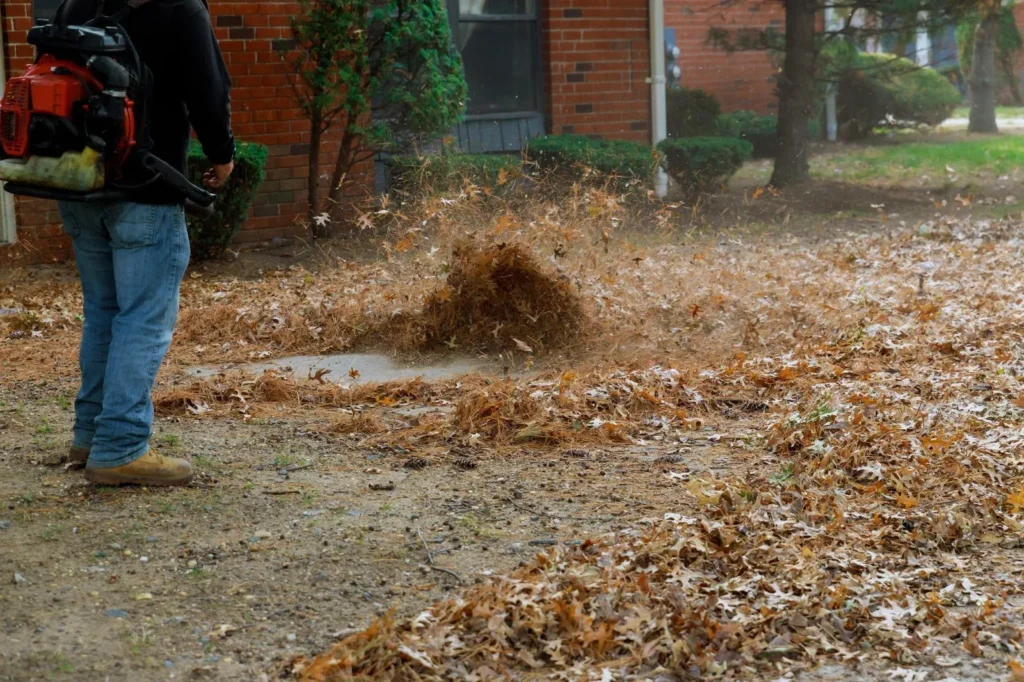
Autumn in Ontario is beautiful, but it’s also a critical time to prepare your home for the colder months ahead. Falling leaves clog gutters, cool winds expose drafty windows, and early frost can damage roofs and outdoor spaces. Ignoring these tasks can lead to expensive repairs, higher heating costs, and unnecessary stress during winter. For seniors, these seasonal chores can feel overwhelming or unsafe. Clearing gutters, sealing windows, or inspecting the roof often requires time, effort, and tools. That’s why hiring a trusted home maintenance service like Custodia can make all the difference. Our professional team takes care of the hard work, ensuring your home is winter-ready while giving you peace of mind. In this article, we will reveal the ultimate top 10 autumn home maintenance ideas for Ontario seniors and all you need to know to get prepared—and how professional help can make it stress-free. Essential Autumn Home Maintenance Tips for Ontario Homeowners As the crisp autumn air settles over Ontario, it’s the perfect time to prepare your home for the upcoming winter months. By tackling a few key tasks from the Top 10 Home Maintenance Ideas for Seniors, you can avoid costly repairs and ensure your home stays warm and comfortable as temperatures drop. Here are the must-do tasks to get your home ready for autumn: 1. Inspect Windows and Doors Check your windows and doors for any drafts. If you feel cold air sneaking in, it’s time to reseal the gaps with weatherstripping or caulk. This simple task can make a big difference in keeping your home warm, reducing your energy bills, and ensuring your home is cozy throughout the chilly months. 2. Inspect Your Roof Climbing up to inspect your roof might seem like a hassle, but it’s crucial. Look for missing shingles or any damage that could cause leaks during the winter. Spotting small issues now can save you from bigger headaches later when snow and ice make repairs more difficult. 3. Clean Gutters and Downspouts Your gutters play a vital role in protecting your home. Clear them of leaves and debris to prevent water from backing up and causing damage to your roof or foundation. Regular gutter cleaning ensures rainwater flows freely and doesn’t lead to costly repairs. 4. Drain Exterior Faucets Before temperatures dip, drain outdoor faucets and disconnect hoses. Leftover water can freeze and expand, causing pipes to crack. Taking a few minutes to drain them now can prevent expensive plumbing issues later. 5. Clean Your Chimney If you have a fireplace, take the time to clean your chimney. Creosote can build up over time, creating a fire hazard. Hiring a professional to clean it ensures that you can safely enjoy the warmth of your fireplace without worry. 6. Replace Air Filter Replacing your air filter is a simple and effective task. A clean air filter helps your heating system run more efficiently and improves air quality. It’s a small job that makes a big impact, especially as your system gets more use during autumn and winter. 7. Check Heating Systems Before you rely on your heating system, give it a test run. Check for any strange noises or issues. It’s always better to catch problems early, so you’re not left in the cold when winter arrives. If needed, schedule a professional inspection with Custodia to ensure everything is in working order. Additional Autumn Maintenance Tasks to Complete: PS: Read on What Does A Yard Clean Up Consist Of In Ontario? By staying on top of these autumn maintenance tasks, you’ll not only protect your home from the harsh winter months but also avoid expensive repairs down the line. If you’d rather leave these tasks to the experts, Custodia Home Management Services is here to help with all your autumn home maintenance needs. Why Autumn Maintenance Is Critical for Ontario Homes Like we mentioned earlier, Autumn in Ontario is beautiful, but it brings challenges for homeowners. As temperatures drop and frost sets in, your home is exposed to harsh conditions. Without preparation, small issues can turn into costly winter problems. Signs It’s Time to Call a Professional for Help: Addressing these issues in autumn prevents expensive emergency repairs and ensures energy efficiency. Cleaning gutters, sealing gaps, and inspecting your heating system can save you time, money, and stress when winter hits. Need Help with Autumn Home Maintenance? Don’t tackle it alone. At Custodia, we provide expert inspections, seasonal maintenance, and tailored home management plans. Contact us today to prepare your home for winter and enjoy exclusive discounts on our services.

Summer is the perfect time to give your home the care it needs. It’s not just about keeping things in working order—it’s about protecting your investment, ensuring safety, and creating a comfortable living space. In Ontario, where summers bring fluctuating weather conditions, neglecting essential home maintenance tasks can quickly lead to expensive problems. From worn-out deck boards and leaning fences to cracks in the foundation and drywall, these issues can quietly grow into major headaches if left unattended. For seniors and families, ensuring that everything in the home functions properly is not just convenient; it’s essential. Safety concerns like loose handrails, falling steps, or aging grab bars can pose risks, especially for older adults. HVAC systems, plumbing, and electrical features also need regular checks to avoid costly breakdowns at the worst possible time. Even tasks like lawn care and gutter cleaning, which seem small, can impact the overall flow of daily life if overlooked. Failing to address these issues early can result in more damage, higher repair costs, and even potential hazards. Imagine a leaking roof causing water damage or clogged gutters leading to foundation problems. These are not just inconvenient—they’re expensive and stressful to fix later. Proactive Home Maintenance Helps You Avoid These Scenarios. Because of the technical nature of many summer repairs, hiring professional handyman services in Ontario, like Custodia, is often the smartest move. Our trained experts can spot problems early, ensure everything is handled efficiently, and save you time and stress. Whether it’s inspecting your deck, repairing cracks, or upgrading safety features, professionals ensure your home remains safe and functional. So, why wait for small problems to snowball into costly repairs? In this article, we will reveal and discuss the essential summer home maintenance tasks that every Ontario homeowner, especially seniors and families, should prioritize to stay ahead of potential problems. Summer Home Maintenance Checklist 1. Clean Your Gutters Clogged gutters can cause major water damage. Regularly remove leaves and debris to prevent overflow and flooding, especially during Ontario’s unpredictable summer rainstorms. 2. Test Smoke & Carbon Monoxide Detectors Safety first! Ensure your detectors are functioning by testing them and replacing batteries as needed. This is crucial, as detectors are your first line of defense against fire and carbon monoxide. 3. Inspect Your Roof Ontario’s harsh winters can leave roofs vulnerable. Check for cracked or missing shingles and leaks. Early detection can save you from costly repairs down the road. 4. Maintain Your Air Conditioner Ensure your AC runs smoothly during those hot Ontario summers. Clean or replace filters and schedule a professional inspection to avoid system breakdowns. 5. Powerwash the Exterior Dirt, grime, and mildew build up quickly, affecting your home’s appearance and causing long-term damage. Use a pressure washer to clean your siding, deck, and driveway. 6. Clean Window & Door Screens Insects are a big summer nuisance in Ontario. Clean your window and door screens to improve airflow and keep bugs out. If damaged, consider replacing them. 7. Inspect Your Driveway Check for cracks or potholes. Small issues now can be patched to avoid bigger, costlier repairs later. Maintaining a smooth driveway keeps your home safe and enhances curb appeal. 8. Seal Windows & Doors Inspect weather stripping and caulking around windows and doors to improve energy efficiency. Sealing gaps prevents drafts, helps with cooling, and can lower your utility bills. Additional Summer Maintenance Tips: Read on Is Aerating A Lawn Worth It In Ontario By staying on top of these maintenance tasks, you’ll not only protect your home but also ensure it’s ready for all that Ontario summer has to offer. Taking the time to do this now can prevent bigger headaches later, saving you money in the long run. Conclusion Taking care of your home can be overwhelming, especially for seniors. That’s where Custodia comes in. Our experts handle everything—from lawn care to property cleaning—ensuring your home stays in great shape without the hassle. We understand the unique needs of seniors in Ontario, offering tailored services that save time and money. Let us take the stress off your shoulders. Call 1-833-410-4357 or book online for a free consultation today!