Now booking for Spring 2025 – Call 1-833-410-4357 or Book Online!

Summer is here and the eating is easy. Indulging in tasty treats while embracing the summer vibes sounds divine. But with all the dining out and yummy outdoor gatherings, smart eating can go by the wayside. You want to make sure you’re maintaining healthy food habits and a well-balanced diet to ensure you’re fueled for fun and good health. Go for the ripe stuff! Eat up your veggies and fruit – especially the seasonal ones. In-season superstars tend to be more fresh and flavourful, nutrient-dense and budget-friendly, and will help keep you happy and healthy all season long. Research has consistently shown that putting more fruits and veggies on your plate, along with a variety of nuts, legumes and whole grains, can help reduce your risk of major lifestyle diseases, and keep you living leaner and longer. The vitamins, minerals and powerful phytonutrients are just so darn good for you and contribute to healthy aging. “Summer is a great time to enjoy fresh produce. You’ll often find it locally grown and in season, which helps preserve valuable nutrients,” says registered dietitian Cheryl Strachan, founder of Sweet Spot Nutrition. “Your local farmers’ market is a great place to find in season foods and connect with others in your community.” All fruits have something good to offer, so choose the ones you enjoy. “Whole fruit is best (skip the juice), and there’s no need to stress about sugar content. Even if you have diabetes, the natural sugar in fruit is far outweighed by the benefits of eating 3-5 servings a day,” says Strachan, also a nutritionist, cardiac specialist and author of 30-Minute Heart Healthy Cookbook. Fresh fruits are a healthy delight, but that said, berries deserve special mention! Blueberries and strawberries, in particular, have been linked to better memory and thinking skills as we age, she says. “They’re rich in flavonoids, compounds with antioxidant and anti-inflammatory powers that help protect the brain. Aim to have them at least twice a week – fresh or frozen.” When it comes to veggies, the health-packed pickings are easy. All vegetables are good for you, from crisp iceberg lettuce to dark, leafy kale. “The key is variety: aim for a mix of colours and, most importantly, choose vegetables you enjoy and will actually eat,” says the Calgary nutrition expert. Top spot goes to dark leafy greens when it comes to benefitting brain health. Eating just one serving a day – about 1 cup raw (like in a salad) or ½ cup cooked – has been linked to slower memory decline as we age. The most nutrient-dense leafy greens include: Although spring mix, green/red leaf lettuce, and butter lettuce have fewer nutrients, include them for variety. And don’t overlook frozen options – frozen spinach or kale is just as nutritious and often more convenient, says Strachan. “Toss leafy greens into salads, soups, omelets, grain bowls, or smoothies. A handful here and there can go a long way.” Meanwhile, be sure to stay hydrated – that includes drinking more water and eating hydrating foods. Staying hydrated helps you feel your best, especially on hot summer days. “But as we age, we may not feel as thirsty, even when our bodies need fluids. Instead of counting glasses, watch your urine: if it’s dark yellow, or if you have a dry mouth, headache, low energy, or feel lightheaded, it may be time to drink more,” advises Strachan, who hosts Sweet Spot Kitchen community to help people living with heart disease get healthy eating support and ideas. Water is wonderful, but other drinks count too: Meanwhile, most fruits and vegetables are naturally hydrating, says Strachan, and the good thing is most water-rich fruits and veggies also provide electrolytes like potassium, which helps with fluid balance in the body. The most hydrating fruits and veggies: Seasonal produce can be such a healthy delight so eat with the seasons when you can. Strachan offers these two recipes to savour the flavours of some of summer’s best offerings. Crunchy Peanut Cabbage Salad Tossed with affordable ingredients, this salad is also great because it’s hardy enough to stand up to a few days in the fridge, feeding you more than once. Ingredients: 1. Salad 4 cups shredded green cabbage 1/2 cup uncooked farro about 1 cup of cooked farro, or similar grain like brown rice or barley 3 each small mandarin oranges 1 can sliced water chestnuts 1/2 cup chopped fresh cilantro 1/2 cup chopped green onions 1/2 cup chopped unsalted peanuts * 2. Peanut dressing 2 cloves garlic, peeled 1/4 tsp red pepper flakes (use 1/2 tsp if you like heat) 2 tbsp reduced-sodium soy sauce 2 tbsp rice vinegar ** 2 tbsp sugar 1 tbsp lime juice (about half a lime) 1 tbsp extra-virgin olive oil 1/4 cup natural peanut butter (crunchy or smooth) 1/4 cup water Method Notes: * If you have a peanut allergy, you could make this with cashew butter or tahini in place of the peanut butter, and pumpkin seeds or slivered almonds in place of the peanuts. ** If your rice vinegar has sugar in it (check the label), you might cut back on the sugar in the dressing. Blueberry Summer Salad Think of lettuce as a canvas upon which you can pile on your favourite fresh, colourful, nutritious toppings. You can even let the lettuce go and make salads out of beans, grains, or just crunchy chopped fresh vegetables. Enjoy! Ingredients 4 cups mixed greens 1/2 cup fresh blueberries 2 tbsp dried cranberries 1/4 cup chopped walnuts 1/4 cup unsalted sunflower seeds 1/4 cup goat cheese 1 tbsp red wine vinegar 1 tbsp extra-virgin olive oil 1 tbsp maple syrup Method
What if something as simple as a hot summer day could put your health—or your loved one’s—at serious risk? In Ontario, extreme heat isn’t just uncomfortable. It can quickly become dangerous, especially for seniors or families with aging parents. As temperatures soar each summer, heat-related illnesses like heat exhaustion and heat stroke become real threats. That’s why knowing how to manage heat exposure in Ontario homes is not just helpful—it’s essential. Even more importantly, many homeowners aren’t aware that some risks can build up silently indoors. Yes, indoor heat can become just as dangerous as being outside, especially without proper ventilation, insulation, or air flow control. Fortunately, there are proven solutions. From hydration and heat safety to heat stress prevention tips, you can take action now. Book a free consultation with Custodia Home Management Services in Ontario. We offer expert heat safety inspections and cooling installations for Ontario seniors and families. Here Are 3 Proven Ways to Manage Heat Exposure in Ontario Many people underestimate how quickly heat stress can sneak up—so let’s explore three smart, expert-approved strategies that help you stay safe and cool. 1. Staying Cool: Smart Ways to Beat the Ontario Heat Ontario summers can bring sudden heat waves that test your body and home. Regulating your temperature isn’t just about comfort—it helps prevent fatigue, heat exhaustion, and more serious health issues. At Custodia, we understand how important it is to create cool, comfortable living environments, which is why we also offer trusted HVAC services across Ontario to help seniors and families stay safe indoors. Here’s how: PS: Ask us about our HVAC maintenance and AC tune-up packages at Custodia. These simple actions lower your body temperature effectively. They make the heat more bearable, especially during Ontario’s hottest days. Plus, they reduce risks of heat exhaustion and keep energy levels up for the whole family. 2. Reducing Exposure: Managing Heat at the Source Rather than only cooling down after the fact, it’s smarter to limit direct exposure to heat in the first place. This strategy is especially helpful for seniors, outdoor workers, or families with active lifestyles. A few small adjustments to your surroundings can go a long way. Here’s what works: Thankfully, at Custodia, we also help you create safer home environments by recommending energy-efficient HVAC solutions and even helping you retrofit your attic or windows to minimize internal heat build-up. [Read:What Are The 5 Safety Precautions For Heat In Canada?] 3. Hydration: The Key to Heat Illness Prevention Water is your body’s natural cooling system—and it works best when it’s flowing consistently. During hot, humid Ontario summers, it’s easy to get dehydrated without realizing. Hydration is your first and most reliable line of defense against dizziness, cramps, confusion, or even stroke. Here’s how to stay hydrated smartly: Staying hydrated helps your body cool naturally and keeps you feeling strong. It’s one of the easiest ways to prevent heat-related health problems—especially when combined with cooling and shade strategies. Conclusion: Prioritize Heat Safety This Ontario Summer Heat stress can turn a good day into an emergency fast—especially for the elderly, and families with kids. By focusing on cooling strategies, limiting exposure, and drinking enough water, you can stay ahead of the heat. Need help making your home or property safer this summer? Connect with Custodia Home Management Services for expert support in cool zone setup, yard care, and safety upgrades—perfect for Ontario families and seniors.Call us today at 1-833-410-4357 or book online to get your free consultation and make sure your home is ready for the heat.
As we come out of hibernation and feel the warm sunshine on our faces, there’s a wonderful feeling of renewal and the urge to refresh our lives. Time to shake off winter’s heaviness and embrace the new season’s light energy with healthy resets. Spring cleaning our lifestyle habits and home spaces will truly help revive winter-weary spirits and feed our mental well-being too. Breathe new vibes and energy into your life by tackling home-maintenance tasks that have been weighing heavy the last few months. Spirits will be lighter and spring will sparkle when windows are shiny and yards are cleaned up with Custodia professionals lending a hand. Refresh and renew your lifestyle habits too, including a healthy diet do-over. March is Nutrition Month and the perfect time to focus on good eating habits. Eating a balanced, nutrient-rich diet is important at all ages, but especially as we grow older. Our nutritional needs change as we age so fueling are bodies right keeps us energized and vibrant, supports strong immune systems and diminishes the risk of chronic diseases. Nourish to flourish with the help of leading registered dietitian Abby Langer. There are a bounty of benefits to eating well: “Disease prevention, mobility, and overall health maintenance are definitely impacted by diet. We can’t remove all the risk for these things, but diet is one factor that we have control over.” As we get older, our risk for cardiovascular disease, diabetes, and other chronic diseases rises, along with mobility issues and injury. “To help prevent these things, it’s important to pay particular attention to certain nutrients.” “It’s not about one single food preventing illness – it’s the totality of our diet that matters,” says Langer. Meet important nutritional needs with Langer’s strategies: The aging experts at McMaster Optimal Aging Portal recommend watching your portion size. “Portion control can help prevent overeating while ensuring you get the nutrients you need.” Be sure to decrease your intake of processed and sugary foods for healthy aging. “Processed foods often contain high levels of sodium, unhealthy fats, and added sugars, which can increase the risk of heart disease, diabetes, and high blood pressure,” recommends the portal. Meanwhile, grocery prices are high so just how just how can we get biggest health bang for our food buck? “Beans and lentils – canned or dry – are my favourite foods! Packed with protein, fibre and healthy carbs, these cost-effective powerhouses are versatile and delicious,” says Langer. Soy foods like tofu are also fantastic protein sources that are easy on the wallet. And frozen and canned fruits and vegetables and buying in-season produce can also save you money, she adds. Here are two recipes from nutrition expert Abby Langer that are super tasty and good for you too! Greek BBQ Lemon Chicken This Greek-style chicken recipe is great anytime, recommends nutrition expert Abby Langer, and especially perfect for summer grilling season. Servings: 4 Ingredients For the chicken: For the tzatziki: Instructions Marinate the chicken: Throw all of the chicken ingredients into a large Ziploc bag. Marinate in the fridge for as long as you can – up to the whole day. Make the tzatziki: Combine all the ingredients to taste. Cover and refrigerate until ready to use. Cook the chicken: Preheat your BBQ to medium-high. Grill the chicken, flipping once, until cooked through. You can also bake it in the oven if you prefer. Serve with warmed pita breads, hummus, tzatziki, and salad. Black Bean and Sweet Potato Burrito Servings: 4 Ingredients Instructions Preheat oven to 350F. Heat the olive oil in a small pot over medium heat and add the onion, sautéing until translucent and fragrant. Add the garlic and cumin and cook for another 60 seconds, then add the beans and salt. Let simmer for about 10 minutes, then remove from heat and set aside. Slice the sweet potato widthwise into ½-inch slices (no need to peel, unless you want to). Brush each side with olive oil and lay the slices on a baking sheet. Bake the sweet potato slices for around 30-40 minutes or until browned and tender, turning once. You can also make these on the BBQ, using indirect heat. To assemble the burritos, lay a wrap on a flat surface and layer the beans and cooked sweet potato slices. Top with shredded cheddar cheese and any other desired toppings. Fold both ends of the wrap up, then roll the wrap from one side to the other.

Picking the perfect gift for elderly parents can be a real brain picker. We’ve all been there—caught up in a whirlwind of daily activities, chores, and commitments, only to realize at the last minute that we need a useful gift for old parents who have everything in our lives. The pressure begins to mount. The clock is ticking. And the challenge of finding the right gift for elders can feel like solving a complicated puzzle. It’s not surprising that many of us struggle to find useful gift ideas for seniors, especially when we’re dealing with the hustle and bustle of life in Ontario, where the demands of family, work, and everyday responsibilities tug us in all directions. What’s even more daunting is the thought of trying to pick something meaningful for those who’ve collected everything over the years. They’ve had their share of kitchen gadgets, luxury items, and unique experiences. So, How do You Find a Gift For Someone Who Has it All? It may seem like rocket science, but believe it or not, many thoughtful and useful gift ideas are right under your nose—waiting to be discovered. With the holiday season just around the corner, now is the perfect time to explore gift ideas that combine practicality, sentiment, and a little bit of fun. In this article, we’ve curated a list of thoughtful gifts for older parents that will not only surprise them but also improve their everyday lives. Whether you’re looking for gifts for elderly parents in Ontario or ideas for grandparents, these gifts will speak volumes without breaking the bank. (Read more about what seniors buy most in Canada.) So, grab a seat and get comfortable as we reveal some clever, useful, and heartfelt gift ideas for those who have everything. What Do Old People Like As Gifts? Finding a Useful gift For Old parents Who Have Everything doesn’t have to be an impossible task. By keeping their daily routines and comfort in mind, you can give them something that enhances their lifestyle. Here’s a quick rundown of practical and thoughtful gift categories that will resonate with them. 1. Gifts For Daily Comfort And Convenience When it comes to elderly parents, the perfect gift isn’t always the most luxurious one—it’s often the one that makes their everyday life easier and more comfortable. For those wondering what could be a Useful Gift For Old Parents Who Have Everything, it’s usually something that enhances their daily routines. Many elderly people in our lives face daily challenges, whether it’s dealing with the cold, managing aches and pains, or simply trying to keep their home clean with less effort. That’s why practical gifts for parents that focus on comfort, convenience, and ease can make a world of difference. These useful household gadgets not only improve quality of life but also show you truly care about their well-being. Here are some thoughtful and practical daily comfort gifts that will bring a sense of comfort, convenience, and independence to your elderly loved ones: As Ontario’s winters can be quite harsh, a heated mattress pad is an ideal gift to help your parents stay warm during cold nights. These pads provide adjustable warmth, ensuring they stay cozy throughout the night. This practical gift can make bedtime much more inviting, especially for those with stiff joints or arthritis. Plus, it’s a simple way to enhance their sleep quality and comfort. For elderly parents, safety is paramount—especially in the bathroom. Installing grab bars can make all the difference when it comes to preventing falls. Adding these simple modifications around the shower or toilet area can help your parents maintain their independence while reducing the risk of accidents. Bathroom modifications don’t have to be expensive but can significantly improve their safety and confidence. A weighted blanket is a great option for promoting better sleep and relaxation. The gentle, even pressure it provides has been shown to help reduce anxiety, improve sleep quality, and promote a sense of security. For elderly parents, a weighted blanket offers a calming and soothing effect, helping them unwind and feel more at ease. When it comes to comfort, ergonomic slippers are a must-have. Designed to support the arch and provide cushioning, these slippers offer relief to tired feet, making walking around the house more comfortable. They can also help with balance, reducing the risk of falls. A good pair of ergonomic slippers will ensure your parents’ feet feel supported all day long. A bath pillow might sound like a small luxury, but it’s the kind of thoughtful gift that transforms a regular bath into a spa-like experience. With soft, supportive cushioning, these pillows provide comfort and stability, ensuring that elderly parents can relax fully without straining their necks or backs. It’s a simple yet impactful addition to their self-care routine. One of the challenges many elderly people face is difficulty opening jars due to arthritis or weak hands. An automatic jar opener can be a game-changer. This practical tool takes the strain out of opening jars, making it much easier for your parents to access their favorite foods without asking for help. It’s a useful household gadget that provides a practical solution to a common problem. 2. Health And Wellness Gifts: Prioritizing Comfort And Relaxation When choosing the right wellness Useful Gifts For Old Parents, it’s important to think beyond traditional presents and focus on items that promote relaxation, relieve discomfort, and enhance their well-being. Health-focused gifts can make a significant difference in their daily lives, helping them manage age-related aches and improve their quality of life. Here are some great health-focused gifts that prioritize relaxation and well-being: A back and neck massager can be a game-changer for your elderly loved ones. Tension and pain in the neck and back are common as we age, and a portable massager provides soothing relief. These massagers help alleviate stiffness, improve blood circulation, and reduce pain, making them perfect for seniors who spend time sitting or have chronic pain. This relaxation gift will help them unwind and…
Read more

Christmas is fast approaching, and the festive spirit is in the air. The streets of Ontario will soon glow with twinkling lights, front yards adorned with cheerful decorations, and skies lit up with fireworks. How do you make an elderly Christmas special? It’s important to think of ways to include your elderly loved ones in the holiday cheer, ensuring they feel valued and cherished during this joyful season. Families and friends are eagerly planning holiday meals, gift exchanges, and countless joyous moments. While the excitement builds, it’s essential to pause and remember an often-overlooked group during this season—the elderly in our lives. Many seniors may not have the energy or opportunities to participate in the holiday buzz. Physical limitations or living alone can make them feel left out, especially when they see others enjoying the festivities. Simple activities like decorating a tree, baking cookies, or even writing a Christmas card might feel daunting for them now. This can lead to feelings of sadness or isolation during a season meant to bring joy. At Custodia, we understand how these little things can affect their emotional well-being. The good news? You have the power to make their Christmas special and meaningful. With a bit of creativity and planning, you can ensure your elderly loved ones—be it parents, grandparents, or even a senior neighbor—feel included, cherished, and celebrated. 7 Tips And Ideas to Create a Special Christmas For Seniors Here are practical, heartfelt ways to bring the magic of Christmas into their lives: 1. Embrace Nostalgia: Rekindle Cherished Christmas Memories For many seniors, Christmas is more than just a holiday—it’s a time capsule of cherished memories from their past. Rekindling those memories can spark joy and create meaningful moments, making them feel valued and loved. Nostalgia is a powerful tool that connects the present to the past, and during the festive season, it can evoke a sense of belonging and happiness. To make their Christmas special, focus on creating an environment that feels familiar and comforting. Here are a few practical ways to embrace nostalgia and bring the magic of their past Christmases into the present: 1. Use Decorations That Tell a Story Dust off those old family ornaments or find vintage-inspired decorations at local stores. These pieces not only beautify the space but also serve as conversation starters, helping seniors reminisce about past Christmases spent with loved ones. Encourage them to share stories while crafting paper snowflakes or garlands like they did in their youth. The act of creating something together can be both therapeutic and joyful. Decorate with classic red and green colors or timeless patterns, such as plaid, that align with their fondest memories of Christmas. 2. Play Classic Holiday Tunes Music has a unique way of transporting us to another time. Play iconic holiday songs by Anne Murray, Michael Bublé, or Sarah McLachlan to evoke warm memories and spark conversations about their favorite Christmas moments. Create a playlist tailored to their preferences, ensuring they feel connected to the ambiance. 3. Recreate Their Favorite Holiday Recipes Nothing brings back memories like the taste and aroma of favorite Christmas dishes. Whether it’s Grandma’s famous apple pie or a special Christmas pudding, these recipes hold sentimental value. Spend time cooking together or surprise them with a homemade dish they loved from years past. The effort will show them how much they mean to you while creating new shared memories. Explore our senior support home management services to make the holidays more meaningful. 2. Decorating Together: Make The Season Bright Decorating for Christmas can be a joyful experience, but it’s even more meaningful when shared. Imagine sitting together with your loved ones, unboxing cherished ornaments that have graced your tree for decades. Each piece carries a memory—a story worth sharing. For seniors, this process can be incredibly uplifting, connecting them to the past while creating new memories. Handing over a treasured ornament for them to place on the tree can spark conversations about its history. Choose decorations that are lightweight and easy to handle so they can join in without feeling strained. Think back to the excitement of crafting as a child. You can recreate that joy by making paper snowflakes or cinnamon stick candle holders together. These activities are not only fun but also practical, as they allow seniors to participate without needing to stand for long periods. Play holiday music and share stories as you decorate. This isn’t just about the decorations themselves—it’s about creating a warm atmosphere where everyone feels connected. Decorating together isn’t a task; it’s an opportunity to spend quality time, share laughter, and build a festive space full of love and meaning. 3. Simple Activities That Bring Joy And Connection The beauty of the holiday season lies in the small moments of connection. It’s not about doing grand things; it’s about the little activities that make everyone feel included. For seniors, these moments can be incredibly fulfilling. Imagine cozying up with a blanket, sipping hot cocoa, and watching timeless films like It’s a Wonderful Life or Miracle on 34th Street. These movies evoke nostalgia and often prompt heartfelt discussions about the holidays. You don’t need expensive supplies to create meaningful crafts. Simple projects like making holiday cards or stringing together garlands from recycled materials can be therapeutic and enjoyable. Plus, the final results add a personal touch to holiday décor. Ask about their favorite Christmas memories or traditions. Sharing stories brings a sense of belonging and provides younger family members with a glimpse into their family’s history. These activities go beyond entertainment—they’re a chance to bond and create shared memories that everyone will treasure. 4. Thoughtful And Personalized Gift Ideas For Seniors When thinking about gifts for seniors, consider their practical needs and emotional well-being. A thoughtfully chosen gift can brighten their day and show that you truly care. How do you make an elderly Christmas special? By selecting meaningful gifts that cater to their needs and bring them joy, you can make this holiday season unforgettable…
Read more

Did you know that retirement, changes in living environments, and fear of becoming a burden are among the top causes of loneliness in seniors? While many dream of a peaceful retirement filled with joyful moments—like spending time with family, traveling, or achieving personal goals—life doesn’t always go as planned. Moments of isolation can creep in, especially when loved ones get caught up in their daily routines. This can leave seniors feeling left out or disconnected. In Ontario, Canada, loneliness among the elderly is a growing concern. Research reveals that up to 32% of people over the age of 55 report feeling lonely. Even more alarming, studies show that severe loneliness affects 2-16% of seniors, putting them at risk for serious health issues. These include cardiovascular disease, diabetes, dementia, depression, and even reduced life expectancy. This isn’t just about emotional well-being—loneliness directly impacts physical health and quality of life. At Custodia, we understand how to stop an elderly person from feeling lonely and its impact on their emotional well-being. Fortunately, there are simple, effective ways to help seniors combat loneliness. From fostering intergenerational connections to encouraging hobbies and utilizing technology, small changes can make a big difference. We’ve compiled a list of practical and proven tips to help you support the seniors in your life, ensuring they feel loved, connected, and valued. In this article, we’ll explore: Let’s dive in and discover how we can work together to create a happier, healthier future for our elderly loved ones! 7 Reasons Why Elderly People Feel Lonely in Canada? Loneliness is not just a fleeting feeling for many seniors—it can become a daily struggle. Understanding the root causes of senior loneliness is the first step toward creating meaningful solutions. Let’s explore the common reasons why aging often leads to feelings of isolation and disconnection. 1. Bereavement: Loss of a Spouse or Close Friends One of the most profound causes of senior loneliness is bereavement. Losing a spouse, lifelong friends, or social connections leaves an emotional void that can be hard to fill. After decades of shared routines, shared memories, and mutual support, adapting to life without a partner or close-knit circle can feel overwhelming. Bereavement often results in seniors withdrawing socially, as they struggle with the emotional pain of grief. Over time, this withdrawal can create a vicious cycle where loneliness grows, but reaching out feels harder than ever. The challenge is compounded by the fact that, as seniors age, the likelihood of losing more loved ones increases, leaving many feeling like their world is shrinking. 2. Limited Mobility or Health Issues Aging often comes with physical limitations, such as difficulty walking, poor vision, or chronic pain. These conditions can restrict movement and make leaving the house difficult. For example, arthritis can make driving uncomfortable, while hearing loss can discourage attending noisy gatherings. Without the ability to move freely, seniors may find it harder to attend social events, visit loved ones, or participate in community activities, leading to a gradual sense of isolation. The mental toll of being housebound or reliant on others for transportation can further deepen feelings of loneliness and dependency. 3. Lack of Regular Social Interaction Without consistent opportunities to connect with others, loneliness can creep in. Regular social interaction—whether it’s a daily chat with friends or joining a group activity—is essential for emotional health. Unfortunately, as seniors age, their chances to engage socially often decline. This decline might stem from shrinking social circles, reduced mobility, or the closure of community spaces that once fostered connection. Many seniors express missing the casual, day-to-day interactions they used to enjoy, like chatting with coworkers, neighbors, or local shopkeepers. These small exchanges often go unnoticed until they are no longer there, leaving a noticeable void. 4. Geographic Separation From Family In today’s fast-paced world, families are often spread across cities, states, or even countries. Seniors with adult children who live far away may experience fewer visits or face long gaps between family gatherings. Technology, like video calls, can help bridge this gap, but it’s not always a substitute for in-person interactions. Seniors may feel especially lonely during holidays, birthdays, or significant life events when physical distance prevents them from sharing special moments with loved ones. For those who rely on family for emotional support, this separation can be particularly challenging. Discover how our services can help seniors stay connected. 5. Retirement: Loss of Routine And Purpose Retirement is often viewed as a time to relax and enjoy life. Yet, for many seniors, stepping away from their careers creates a void. Work often provides more than just a paycheck; it offers structure, social connections, and a sense of accomplishment. Without the daily routine and purpose work provides, days can feel long and empty. The loss of colleagues and workplace social interaction further exacerbates the sense of isolation. For retirees who did not plan activities or hobbies to replace work, this transition can feel jarring and lead to loneliness. 6. Poor Physical Health Chronic illnesses, fatigue, or recovery from surgeries can make it harder for seniors to stay active. Poor physical health not only limits mobility but also impacts confidence, as seniors may worry about being seen as frail or dependent. For instance, those who once loved attending community events may avoid them due to fear of falling or needing assistance. Additionally, frequent medical appointments and health concerns can dominate a senior’s time, leaving little room for social interaction. This combination of physical and emotional barriers can create a sense of isolation that feels hard to overcome. 7. Fear of Being a Burden Many seniors hesitate to ask for help or reach out to loved ones because they fear becoming a burden. They may feel guilt over disrupting their family’s busy schedules or worry about being perceived as needy. Instead of seeking connection, they may choose to isolate themselves, even when they deeply crave interaction. This self-imposed isolation often stems from a desire to protect loved ones from additional responsibilities. Unfortunately, this fear can…
Read more

The tables turn and the person who cared for you will likely need care. As parents grow older, you want to be there for them but it can be a challenge especially if you don’t live close by. The distance can make it tough but you can still provide support and assistance to aging parents even if you’re living in a different city or even province. Rick Lauber, an Edmonton author and former co-caregiver, knows firsthand the challenges: “Caregiving was new territory for me… much like many others, I did not have related background experience or knowledge to draw from. I was also not prepared for my new role.” He shares what he learned caring for his aging parents in his two books Caregiver’s Guide for Canadians and The Successful Caregiver’s Guide, and offers practical tips, great guidance and encouragement to help prepare prospective and current family caregivers. “Caregiving can be a major time commitment and can easily impact a family member physically, mentally, emotionally and financially,” says Rick. Increased Costs And Stressors Initially he helped co-caregive from a distance for 10 years for both his senior parents, and then they moved closer to him and his sisters, which increased their responsibilities and contributions. “I remember being constantly on the go. If I was not planning the parental schedule for the next day or running another parental errand, I was worried about how Mom and Dad were doing or if my telephone would ring with an emergency.” Working alongside his sisters, he assumed many unexpected caregiving duties, like moving his parents repeatedly, driving them to appointments, managing their banking and paying bills and, in due course, serving as Joint Guardian and Alternate Trustee. For those caring from afar, there’s increased travel that results in added costs including accommodation, meals out and vehicle maintenance, and the stress of being less able to quickly react and respond to an aging parent’s needs, says Rick, who was a 15-hour drive away so he preferred the two-hour flight. When seniors retire to smaller towns, they will not have as many services available to help them. Take on New Roles Prepare to take on new roles, learn more about complex medical conditions, try to work harmoniously with aging parents and siblings, and balance caregiving with busy lives, families, and careers, he says. Family caregivers may also face increased stress over wondering if they are making the best decisions, he adds, which is a natural worry. “It’s important to note that caregiving is not all bad however: From my own experience, I built better relationships with my parents and sisters, became better organized, learned more about my own capabilities, and became more self-confident,” he adds. Read more about The Future Of Aging. Video Chat Regularly With the right approach and resources – and Rick’s tips – you can ensure elderly parents are supported and connected, no matter the miles. Communicate regularly. If adult children cannot easily travel to see their aging parents, they could still call them. A video chat (through Zoom or some other platform) is better than a phone call as it is more personal and can provide family members a much better opportunity to observe and assess the senior’s appearance as well as gauge how the senior is doing. Enlist outside help. Hire a caregiver from a trusted professional caregiving company. Coordinate with a friendly neighbour to drop in to visit with aging parents and then report back to distant family members. Outside help could also run errands for seniors while family caregivers are visiting – thus allowing them more quality time together. Get creative with outside help. Perhaps the neighbour is a dog walker and an aging parent could join on these outings for company, fresh air and exercise. A neighbour’s teen could be hired to mow a senior’s lawn or shovel snowy sidewalks. Reliability is critical so hiring a reputable company to do routine outdoor and indoor maintenance work can help greatly – research well. When speaking with these prospective providers, ask for references to check, if they have done similar work for other seniors, and how long they have been in business. Check with the Better Business Bureau as part of your research. Local seniors’ associations could possibly provide recommendations of vetted senior service providers. Technology Can be Your Eyes And Ears Utilize technology. Wearable health devices (e.g. wristbands) can measure and collect health data. Mobile device apps can remind aging parents to take their medication. Home monitoring systems can report on an aging senior’s movements within the home. Stove fire prevention devices automatically shut off the appliance if it has been left on for too long. On-line social media platforms (e.g. Facebook) provide an aging parent the chance to communicate with distant family members, join message boards for social interaction, research areas of interest, be entertained, and view photographs of the grandchildren. Technology can be a family caregiver’s eyes and ears from afar. Assign a primary family caregiver. When numerous siblings are available, a senior’s care can be shared; however, it may be beneficial to delegate one person to oversee the entire process. It may be tempting to choose the family caregiver living closest geographically to aging parents but consider what other siblings could bring to the table. “When Mom and Dad began to need more help, my sisters and I each took a turn to fly out, stay with them, and tend to what needed to be done. We each had our different skill sets and sharing the workload while still communicating with each other back home reduced the stress,” says Rick. Reduce Home Clutter Downsize. Aging parents often accumulate a great deal of stuff over the course of their lifetimes, but how much of this remains necessary? Reducing the amount of clutter in a parent’s home makes it safer. Large, bulky furniture can block a senior’s mobility and deep couch cushions which can trap a senior who may not have the strength or flexibility to stand.…
Read more
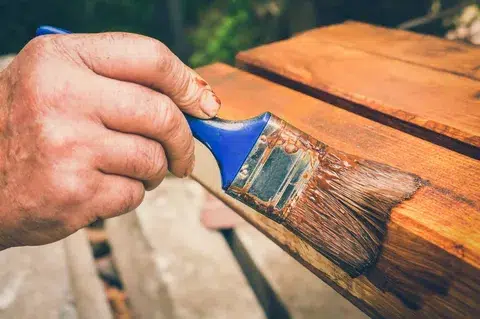
Have you ever gazed at your deck and fence and wondered why they look so drab and uninviting? A poorly maintained deck and fence not only diminish your home’s curb appeal but also impact its overall value. Neglecting these vital components can lead to more than just aesthetic problems. It can result in serious safety hazards, especially for seniors and children who may be more vulnerable to accidents caused by unstable or damaged structures. In Hamilton, where the climate fluctuates dramatically, the effects on outdoor wood structures can be severe. Our region experiences a mix of high humidity, heavy rainfall, and harsh winter conditions. These elements can accelerate the deterioration of your deck and fence, causing wood to swell, split, and eventually rot. When wood is exposed to such conditions without protection, the damage can become extensive, leading to costly repairs or even replacements. The good news is that maintaining your deck and fence doesn’t have to break the bank. Regular staining is an effective and affordable way to safeguard these outdoor features. Why Stain Your Deck and Fence? Staining not only enhances the natural beauty of the wood but also provides a protective barrier against the elements. This simple treatment helps prevent moisture from seeping in and causing rot, while also shielding the wood from harmful UV rays that can cause fading and splintering. Fortunately, with Custodia’s expert deck and fence repair services in Hamilton, you can easily restore the charm of your outdoor spaces. Our team specializes in deck and fence staining and repair, understanding the unique challenges posed by our local climate. Let’s dive in and discover how to properly stain and protect your deck and fence in Hamilton! What is Deck and Fence Staining? Deck and fence staining is a vital process that involves applying a specialized product to wooden surfaces to enhance their appearance and protect their longevity. Unlike paint, which creates a solid, opaque layer, stain penetrates deeply into the wood. This allows the natural beauty of the wood grain to shine through while providing essential protection from the elements. Key Aspects: There are primarily two types of stains: oil-based and water-based. Proper application involves cleaning the wood thoroughly to remove dirt and old finishes, applying the stain with a suitable tool (brush, roller, or sprayer), and allowing it to dry completely. This process ensures the stain adheres properly and provides maximum protection and aesthetic appeal. Why is Staining Important for Wood Protection? Staining is crucial for maintaining the integrity of wood structures like decks and fences. Without proper treatment, wood is vulnerable to damage from environmental factors such as sun exposure, moisture, and temperature fluctuations. What Are The Benefits of Staining Deck and Fence? Wood is susceptible to UV radiation, which can cause it to fade and degrade. Stain contains UV blockers that shield the wood from these harmful rays, preserving its color and structural integrity. Stain helps create a barrier that prevents water from seeping into the wood. This reduces the risk of swelling, warping, and rot, which can significantly damage the wood over time. Many stains include antimicrobial agents that prevent the growth of mold and mildew. These fungi thrive in damp conditions and can cause unsightly stains and decay, so this added protection is crucial. As wood ages, it can become brittle and prone to cracking. Stain helps maintain the wood’s flexibility, reducing the risk of splits and cracks that can compromise its appearance and safety. A well-stained surface requires less frequent maintenance. The protective layer reduces wear and tear, making it easier to keep your deck or fence in good condition with minimal effort. PS: Speaking of “maintenance”, here are reasons why yard cleanups are important and how your fence and deck can benefit from our yard cleanups. How Does Staining Enhance the Appearance of Deck and Fence in Hamilton? Staining your deck and fence can dramatically transform their appearance, enhancing both the look and feel of your outdoor spaces. In Hamilton’s unique climate, where weather conditions can vary significantly, proper staining not only improves aesthetics but also provides essential protection. Aesthetic Benefits: Stains are available in a variety of colors and shades, allowing you to choose a finish that complements your home’s exterior and landscape. This flexibility means you can achieve a look that aligns with your style, from deep, rich tones to light, natural hues. Unlike paint, which can obscure the wood grain, stains enhance the natural texture and patterns of the wood. This provides a more authentic and warm appearance, highlighting the unique characteristics of each piece of wood. Staining can even out the wood’s color, eliminating inconsistencies and patchiness. This results in a smooth, cohesive appearance that enhances the overall look of your deck and fence. Stains accentuate the natural grain of the wood, making the texture more pronounced and visually appealing. This added depth can make your deck and fence stand out and look more sophisticated. A beautifully stained deck or fence can significantly boost your home’s curb appeal, making it more inviting and attractive to visitors. This improvement can positively impact your property’s value. With a wide range of stain types and colors available, you can personalize the appearance of your deck and fence to suit your specific preferences and the overall aesthetic of your property. What Are the Long-Term Benefits of Staining? Regular staining provides numerous long-term benefits, contributing to the durability, safety, and aesthetic appeal of your wooden structures. Top 5 Long-Term Benefits: By protecting wood from environmental damage, staining significantly extends the life of your deck and fence. This means fewer replacements and repairs, saving you money in the long run. Stained wood is less prone to damage, which means you spend less on maintenance and repairs. This cost-effectiveness is a major advantage of investing in regular staining. Properly stained wood is less likely to splinter or crack, reducing the risk of injuries to children, pets, and visitors. This enhances the safety of your outdoor spaces. Well-maintained and aesthetically pleasing…
Read more

Aging is inevitable – so how do we age better and feel better about it? Face it, society doesn’t generally make us feel very good about getting older – all we hear about is that younger is always better, and that the act of growing older is somehow shameful, grim, ugly and scary, says author and ageism disruptor Carl Honoré. That’s so not the truth. “No age is perfect but the truth is that many things stay the same and some things even get better as we get older,” says the author of Bolder: Making the Most of our Longer Lives. “Every age can be wonderful but only if we embrace it: We need to embrace the present without pining for the past or shrinking from the future – only if we embrace aging as an adventure.” As a privilege. The author wants to help you get bolder as you get older and enjoy the luminous journey. “David Bowie once described aging as ‘an extraordinary process whereby you become the person you always should have been.’ I love that idea. That as we grow older we become more – not less – ourselves.” Seniors are doing amazing things He admits his own thinking about aging has shifted since researching and writing Bolder. Research shows that people are generally more contented in later life. “As we age, we become more comfortable in our own skin and less worried about what others think of us. We tend to form stronger, more fulfilling relationships. Aging can also make us more altruistic,” says Carl. There’s never been a better time to age! Thanks to better nutrition, technology, medicine and exercise, the physical decline brought on be aging can be slowed down which means we can go on doing amazing things with our bodies as we navigate the aging journey, he says. “Today, the average over-65-year-old is in better shape than ever before.” And furthermore “the conventional wisdom that romance and bedroom fireworks belong to the young is flat-out wrong. Hurray!” You are what you think There’s fireworks on the business front too. Studies show you’re more likely to create a successful start up in middle age or beyond. That it improves collaboration in diverse work groups. Productivity, creativity and social smarts rise with age – “I also feel more entrepreneurial, more able to turn risk into reward.” Don’t let age define or limit you. “Just look at the burgeoning army of people running marathons in their seventies, climbing mountains in their eighties and cycling cross-country in their nineties. Welcome to the age of the centenarian sky-diver.” Thinking more positive about aging gives us a boost: We live longer, walk faster, stand a better chance of recovering from disability and even perform better on memory and motor control tests, according to research. The real challenge facing us is not aging, he stresses, but it’s ageism. We need to adopt more optimistic and realistic views, and ditch prevailing toxic ageist attitudes and diminishing language. “We need to rewrite the rules of everything, from the workplace and education to design and social services.” Tips to age boldly Make time to learn, work, rest, care for others, volunteer, create and have fun all the way through our lives. “Aging can be a bonus rather than a burden,” says Carl. He offers these 12 rules to age boldly: 1. Keep on learning and experimenting. The adage that you can’t teach an old dog new tricks isn’t even true of dogs. Novelty keeps you energised and engaged. 2. Cultivate strong relationships. 3. Draw inspiration from role models. Think Helen Mirren, David Attenborough or even Michelangelo, who rebuilt St Peter’s Basilica in his 80s. 4. Keep brain and body fit by exercising and eating right. 5. Channel Marie Kondo. If something – a job, a friendship, etc – no longer sparks joy, drop it. Streamline to make every moment count. 6. Find a purpose that puts meaning in your life and fire in your belly. 7. Be honest about your age. Lying gives the number a power it does not deserve – and reinforces the myth that younger is always better. Owning your age is the first step to making the most of it. 8. Remain flexible and open to change, growth and evolution. As Lao Tzu put it: “Whoever is soft and yielding is a disciple of life. The hard and stiff will be broken. The soft and supple will prevail.” 9. Ignore the doom-mongers who say sex, love and romance belong to the young: they do not. Make room for all three however you old you are, if that’s what you fancy. 10. If you think growing older will be bad, it will be bad. Be positive and focus on the upsides of ageing: feeling more at ease in your own skin; deeper relationships; more happiness, altruism, creativity, knowledge, experience. 11. Cultivate a sense of humour. Laughing boosts health and longevity. As George Bernard Shaw put it: ‘You don’t stop laughing when you grow old, you grow old when you stop laughing.’ 12. Think about death. Don’t dwell morbidly on it, but don’t shy away from it, either. An awareness that time is finite gives life shape and meaning – and spurs you to make the most of here and now. Read about Rethink Aging With Colin Milner
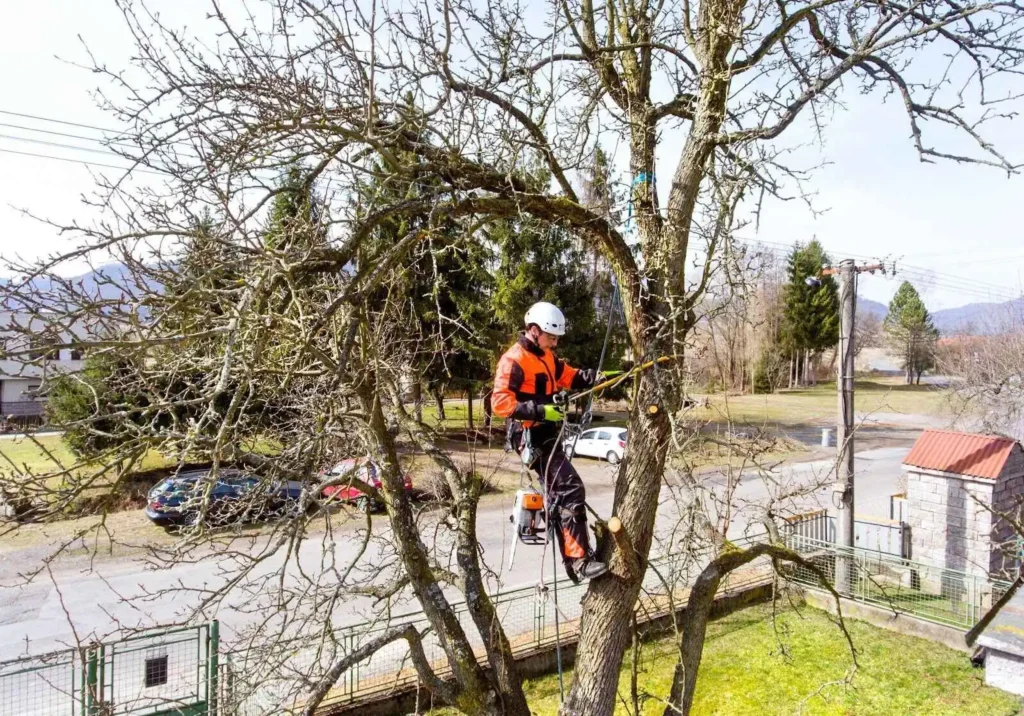
Misconceptions about trimming maple trees abound, often leaving homeowners unsure of the best practices for maintaining their prized yard additions. Contrary to popular belief, trimming maple trees isn’t just about aesthetics—it’s a crucial step in ensuring their health and longevity. Many assume that trees can thrive without regular maintenance or that trimming harms their growth. In reality, proper trimming promotes robust growth and reduces the risk of disease and structural damage. In Ontario, particularly in areas like Etobicoke, maple trees not only enhance the visual appeal of residential landscapes but also contribute significantly to environmental health. Beyond their beauty, trees offer invaluable benefits to homeowners, especially seniors. A well-maintained yard with maple trees and vibrant garden flowers can improve air quality, reduce stress, and even lower energy bills by providing natural shade and insulation. Moreover, for seniors, spending time in a serene outdoor environment can enhance overall well-being. The presence of trees encourages outdoor relaxation and provides a perfect setting for social gatherings with family and loved ones. Investing in maple trees and maintaining a healthy lawn is undoubtedly a worthwhile endeavor, but it requires attention to detail. Regular trimming and vigilant pest management are essential to enhance their growth. And neglecting signs of pests or disease can cause harm to occupants. To ensure optimal tree health and yard aesthetics, consulting a professional home management company like Custodia in Ontario is recommended. Our expertise in comprehensive yard and lawn maintenance, including expert maple tree trimming and hedge maintenance services in Etobicoke and beyond, ensures your outdoor spaces thrive year-round. In this article, we’ll delve into the benefits of trimming maple trees and provide expert tips on maintaining a pristine yard with Custodia’s professional services across Ontario, Canada. Let’s explore how proper tree care can elevate your outdoor living experience. Importance of Tree Trimming – Trimming Maple Trees in Etobicoke, Ontario Tree trimming is vital for maintaining the health and beauty of maple trees, especially in Etobicoke, Ontario. Proper trimming ensures that trees grow strong and healthy, which enhances the overall landscape of your yard. Maple trees, known for their stunning foliage and robust structure, require regular maintenance to thrive. Without proper care, these trees can become overgrown, leading to potential hazards and decreased vitality. In Etobicoke, where seasonal changes are pronounced, timely tree trimming helps prepare trees for varying weather conditions. Trimming removes dead or diseased branches, promoting new growth and preventing the spread of disease. Additionally, well-trimmed trees are less likely to be damaged by strong winds or heavy snow. This not only preserves the tree’s health but also safeguards your property from potential damage caused by falling branches. Do We Offer Tree Trimming Services Outside Etobicoke? Yes, we do! Click here to check the areas we serve across Ontario. Our experts are available and eager to provide free professional consultation and quotes at no cost. Contact us today at 1-833-410-4357 or book online to discover how we can enhance your property with expert tree trimming services tailored to your needs. Speaking of hazards, what are the potential hazards of overgrown maple trees? Potential Hazards of Overgrown Maple Trees 1. Structural Damage Overgrown branches can pose a significant risk to nearby structures. Heavy branches can become excessively heavy and break, potentially damaging roofs, windows, and siding. Branches growing too close to homes can scratch and damage walls and roofs, leading to the costly removal of trees or branches. 2. Safety Risks to People Overgrown maple trees can endanger people, particularly during storms or high winds. Weak or overgrown branches are more likely to break and fall, posing a danger to anyone underneath. Additionally, overgrown trees can block visibility on driveways and walkways, increasing the risk of accidents. 3. Electrical Hazards Maple trees growing near power lines can create serious electrical hazards. Branches coming into contact with power lines can cause outages, affecting entire neighborhoods. Moreover, electrical sparks from branches touching power lines can ignite fires, endangering both property and lives. 4. Increased Pest and Disease Risk Overgrown trees are more susceptible to pests and diseases, which can spread rapidly. Dense foliage provides an ideal environment for pests like aphids, borers, and caterpillars, which can damage the tree and surrounding plants. Overgrown trees with poor air circulation are more prone to fungal infections and other diseases, potentially killing the tree and spreading to others. 5. Reduced Tree Health and Lifespan Neglecting to trim maple trees can compromise their health and longevity. Overgrown branches can compete for nutrients, leading to stunted growth and weaker trees. The weight of excessive branches can cause splits or cracks in the trunk, weakening the tree’s structure and potentially leading to its premature death. 6. Property Value Decline Neglected maple trees can decrease the aesthetic appeal and value of your property. Overgrown trees can make a yard look unkempt and neglected, deterring potential buyers. Potential buyers may see overgrown trees as a future expense for necessary trimming and maintenance, which can lower property appeal. 5 Top Benefits of Timely Trimming for Maple Trees 1. Promotes Healthier Growth Timely trimming of maple trees removes dead or diseased branches, allowing new, healthy growth. It improves air circulation, reducing fungal infections. This helps the tree focus its energy on producing strong, vibrant foliage and maintaining overall health. 2. Enhances Safety Regular trimming prevents branches from becoming heavy and breaking, reducing the risk of injury or property damage. It also keeps branches away from power lines, preventing electrical hazards. Maintaining your trees ensures a safer environment for your family and neighbors. 3. Improves Aesthetic Appeal Trimming helps shape maple trees, giving them a balanced and attractive appearance. Well-maintained trees enhance the beauty of your yard, increasing property value and curb appeal. A neat yard reflects your commitment to proper care and maintenance. 4. Encourages Fruit and Flower Production Trimming allows more sunlight to reach the inner parts of the tree, stimulating the growth of flowers and seeds. Healthier trees with better sunlight exposure produce vibrant foliage and, in the…
Read more