Now booking for Spring 2025 – Call 1-833-410-4357 or Book Online!


We’re living longer and better. Centenarians remain among the fastest-growing segments of Canada’s population. United Nations calls it a longevity revolution – by 2050, the number of us reaching 100 is projected to increase eightfold to 3.7 million people. While genetics play a key role in healthy aging, where you live, what you eat, how often you exercise and your social support system also influence your chances for living a very long life. And add to that a good health system. Helping centenarians age healthy and live their best lives is Dr. Samir Sinha, director of Geriatrics at Mount Sinai Hospital, which is a global key leader in the fields of geriatrics and healthy aging. “We’ve made geriatric care a top priority,” says Dr. Sinha in a Sinai Health report. “We’re committed to supporting older people in ensuring they receive the right care, in the right place, at the right time.” Among Dr. Sinha’s patients are four centenarians: William, Phyllis Pringle, Elizabeth Samson and Sam Meister. “With high-quality care from primary care providers and specialists including the support of a geriatrician, they’ve been able to navigate complex health-care issues and the supports they need to remain healthy and independent.” With reprint permission from the Sinai Health Foundation, Meet four centenarians redefining the limits of aging. These super seniors share their thoughts on healthy aging and the ways they continue to stay active, engaged and curious. William, 101 Born: 1922 William lifts weights every day. Not just small five-pound weights, but hefty 15-pound dumbbells – one in each hand. “Beware of inactivity,” he advises while demonstrating his weight-lifting ability. “I don’t allow myself to become immobile.” A big proponent of physical activity, William walks daily and swam four or five times a week for more than 20 years. He proudly shows off a badge he received from a local health centre for swimming over 50 miles. “Not all at once,” he says with a laugh. William moved to Toronto in 1957 from the U.K., and today lives independently in his own home. A retired physician, he’s had a varied career, first as a GP before moving into public health and workers’ compensation. In the years before retirement at age 85, William was a practising psychotherapist. “I always change,” he says. “Change in careers is good for anybody.” As for what he attributes to his longevity, William has one word: “Sardines.” He tells a story of when he was six years old at a restaurant with his parents. Asked what he’d like to eat, he told them all he wanted was sardines. “I’ve been eating them ever since,” he says. “And this was before they discovered omega threes!” William does indeed believe good nutrition has contributed to a long and healthy life. “I still prepare all my own food,” he says. What’s more, he says he’s always remained curious, pointing to his long career for helping keep him sharp and attentive. “You can’t sleep through life,” he says. “You have to stay interested.” Read more about How To Prepare An Aging Brain To Re-enter The Workforce. Phyllis Pringle, 101 Born: 1923 Fresh from an exercise class at the seniors’ residence where she lives, Phyllis Pringle speaks clearly and expressively about having lived in Toronto her whole life. Although she uses a walker and has macular degeneration, her indomitable spirit shines through. As a student at the University of Toronto, Phyllis studied sociology. Her father thought she might become a teacher but after hearing a social worker speak at a Careers Day, Phyllis knew she wanted to pursue social work. She became a case aide worker at the Protestant Children’s Homes where she worked for three years. “I really liked it,” she says. “I’d visit kids in foster homes, talk to the parent who was still responsible for the child, and help that parent get re-established.” After she married in 1949 and had the first of four sons the following year, Phyllis planned to keep doing the job she loved, but her father-in-law disapproved. “That was the old idea — that married women didn’t work.” Not to be deterred, Phyllis simply continued her social work on a volunteer basis by joining the Junior League. “I found a way to keep doing the work I loved.” Today, Phyllis is still finding ways to keep doing the things she loves. Although her failing eyesight has made reading a challenge, she uses audio technology to listen to newspaper articles and books. In addition to daily exercises, she participates in current events programs and weekly quiz sessions at the retirement home. She credits her longevity to keeping her mind and body active. “You have to find ways to enjoy life — and I do.” Sam Meister, 101 Born: 1923 At 101, Sam still lives in the home he bought with his wife in the 1980s in North York. She died 17 years ago, and today Sam now lives with his caregiver, Marizel. Born in Romania, Sam is a Holocaust survivor. “The day my parents and I were rounded up to be taken away, I refused to go,” he says. “I don’t know why they just let me go. My parents died at Auschwitz. My brother was also killed during the war. At the end of the war, only my sister, older brother and I were left.” The woman Sam calls “the love of my life” was also sent to Auschwitz. When the war ended, Sam didn’t know if she was still alive. “The Russians sent word she was sick with typhus and taken to Russia for treatment,” he says. “When she came home after the war, we got married right away.” Sam and his new bride arrived in Halifax in 1948. He says they were assigned to settle in Winnipeg, but when they got off the train in Toronto, they decided to stay. Sam went on to run several successful businesses, while he and Olga raised two children. “We had a wonderful life,” Sam says. “My wife…
Read more
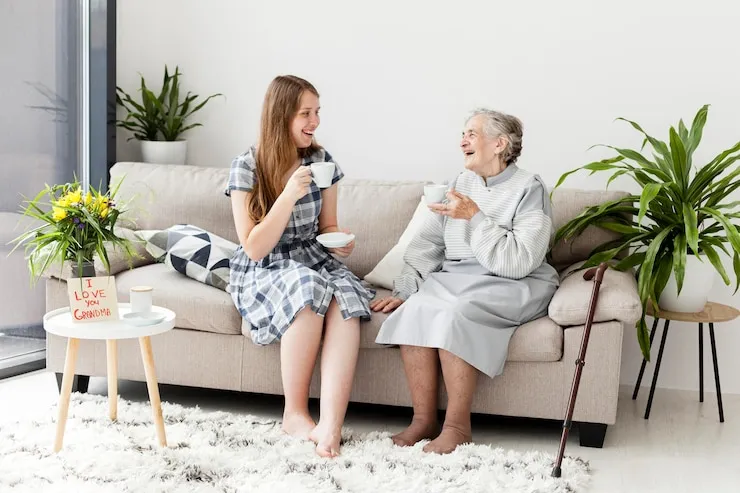
Home care should be the cornerstone of eldercare – growing old in the comfort of our own home brings us joy, dignity and supports good health. “At the National Institute on Ageing (NIA), we have conducted surveys showing that nearly 100% of older Canadians want to age in their own homes for as long as possible. Given that this is what people want, I think trying to achieve this becomes quite integral to people’s happiness and wellbeing,” said Dr. Samir Sinha, leading geriatrician in Canada and director of Health Policy Research at NIA. To live safe, healthy and socially-connected lives as we age, support is needed – unfortunately, insufficient home care and community services make aging at home an overwhelming challenge for many. It’s costly and complicated. “For too many of my patients, their ability to age in place is often undermined by a system that is not adequately resourced to support them to adapt their homes and receive the care they need or further support their family and friends serving as caregivers,” said Dr. Sinha, director of geriatrics at Mount Sinai and the University Health Network. Home Care is Cost Effective People end up becoming prematurely institutionalized in long-term care (LTC) homes, or living in overburdened hospitals waiting to go to a long-term care home, which are both more costly than providing more care in people’s homes, he said. The National Institute on Aging reports it costs an average of $103 per day for an LTC-eligible person in their own home compared to $201 in long-term care. It’s $703 a day for older adults admitted to hospital while awaiting a permanent place. Enabling more people to receive additional care in their own homes would greatly benefit seniors and society, said Dr. Sinha. “Other countries that have developed more robust home and community care systems are benefiting significantly from this approach.” There’s growing recognition of the increased health and happiness outcomes. The future for our rapidly aging population isn’t pretty, said Dr. Sinha. We’re not prepared and have so much catching up to do. There are record numbers on Ontario’s LTC home waitlists and the majority of the people waiting in hospitals as ALC (alternate level of care) patients are there because of the insufficient home care to allow them to return to their own homes. “While 15% of hospital patients are ALC patients in Ontario, in Denmark this rate is around 1% as they are providing much more home care to their citizens.” Home Modifications Needed Adding to the problem of limited, underfunded care access is a shortage of underpaid care providers to deliver home care. Also additional private care beyond what the government and their families and friends can provide them can be unaffordable. And healthy aging in place needs to enable social connection rather than inhibit it. The home also needs supports, including age-friendly modifications. There are some grants and support to help people make home adaptions or buy equipment to enhance home accessibility, said Dr. Sinha, “but these are rather piecemeal supports and need to be more comprehensively considered to ensure that we can really enable aging in place whenever possible.” Sadly, as things stand and with lack of sufficient supports, people relent and put their name on a LTC home waitlist and enter a home. Currently there are more than 40,000 people in Ontario alone who are on LTC home waitlists, he said. “Some jurisdictions have simply offered to provide clients the home care they need up to the cost of having to care for them in a LTC home. After this, a person is invited to purchase additional care to stay in their own homes or go to a LTC home. This is one method that creates a greater level of transparency and accountability and doesn’t cast anyone as a failure when aging in place is no longer possible.” Read more about Rethink Aging With Colin Milner Far too many people blame themselves for the failure to be able to age in their own homes, he said, for example, not having saved up enough privately to fill in unanticipated care gaps. Families can also feel like failures for not being able to do more to keep their loved ones at home. “This as a result likely affects the personal happiness and wellbeing of older persons and their caregivers.” Home is Our Happy Place Home sweet home is our happy place so plan for it. “I always say that the best defense is a good offence,” said Dr. Sinha, adding that practically working through what might need to be done in advance to make aging in place happen can help better ensure you can better age with dignity and respect. Read also, How To Prepare An Aging Brain To Re-enter The Workforce And with health and happiness too. Plan ahead for you and your elderly loved ones to be able to grow old in the place of your choosing: Take into account location, accessibility, available support and services, medical conditions, isolation, finances, and family in order to make the best informed decision. Don’t assume publicly-funded programs will keep you at home in the future. Don’t let a health emergency catch you unprepared and leave you scrambling for living options. Develop a contingency plan that considers other options in case aging in place is no longer possible. Being able to access home maintenance, modifications and repairs make aging in place easier and safer. Custodia can help take the hassles and headaches out of home maintenance and tasks, and greatly reduce the barriers to aging in place.

When it comes to aging in place, there’s a quote that comes to mind: “If you fail to plan, you are planning to fail.” It may sound negative, but there is simply nothing negative about being proactive and making solid plans to remain happily in your home through the aging journey. Research shows that nearly all older Canadians want to remain in their homes and communities as long as they can, and that means having the health, and social supports and services in place to live safely and independently. That just doesn’t happen unless you make it happen. To survive and thrive at home, being functionally fit is critical – physical strength is very often neglected. Frailty can derail dreams to remain at home! “Our best option is maintaining our fitness and functionality in order to avoid frailty, hospitalization and the need for institutionalization,” says Dr. Karen Humphreys, a physician, educator and frailty coach in B.C. Dr. Humphreys helps people fulfill their wishes to age in place and her new book, The Mission of Maya and Methuselah, offers clear instruction and practical advice to get ready physically, mentally and financially. For example, adequate financial health often takes years of planning – “there’s the cost of medications as we age; cost of repairs and making a safer home depending on our functionality, and insight into what we might need.” Assess Home For Risks For those lacking fitness and/or financial resources, family connections are often needed to assist in staying in our own home or moving into a suite in a family member’s home, adds the clinical instructor from UBC’s Faculty of Medicine who lives on Vancouver Island. “The challenges of aging in place currently are being reactive rather than proactive. For example, purchasing new furniture should focus on long-term use – a high bed that looks great when you are 50 is a fall risk at 75,” she says. Home environments with things like treacherous stairs, lots of area rugs, cupboards that need a ladder to access pose obvious challenges but there are many other aspects of the home that need to be reviewed for planning future safety. When it comes to aging bodies, the major challenges she sees is lack of overall fitness from a cardiovascular perspective; resistance training perspective; balance and flexibility perspective; social connectedness and cognition – brain exercises are just as important as physical exercises. Shortage of Long-term Beds Unfortunately, some people believe that they will not age and not need services (which are actually hard to procure and expensive too), says Dr. Humphreys. “I found that many folks that ended up in hospital had no idea that the Canada Health Act would not care for them as they aged. The cost of care has crushed many individuals so awareness and planning are the keys going forward as our population ages.” We have a glut of aging baby boomers that will soon require more access to long-term care beds than are available. Right now there are just under 200,000 care home beds and we’re going to need more than 455,000 by the year 2035! That’s just a decade away! Optimal planning should start after age 45 and the scenarios in her book guide folks through different decades in how to make lifestyle changes, do financial planning and have some foresight into what may be required as one ages in Canada. “We are unable to predict exactly which direction our life will go but we can prepare for many scenarios if we start planning early enough.” Dr. Humphreys helps Victoria seniors and families strategize – encouraging, promoting and assisting in keeping them in their home. She does frailty coaching to prevent a decline in physical and functional status. “Frailty is a precursor to the loss of independence. Frailty can lead to fall, fractures, hospitalization, nursing home placement and death.” Tips to Age in Place Safely Take Dr. Humphrey’s tips to successfully age in place as long as possible: Meanwhile, aging in place makes people happy and healthy, and Custodia offers the support to age at home joyfully, safely and worry free. From installing grab bars to regular property upkeep, our home management plans ensure the home environment, inside and outside, remains safe, secure and well-maintained. Related read Rethink Aging With Colin Milner

Social wellness is critical as we age. While there may not be a single magic pill for healthy aging, strong social connections deliver bigtime health benefits. It’s good for the soul, our happiness and our brain health. An active social life keeps us on the go and moving physically, boosts our mood and promotes cognitive health which helps fight off dementia and Alzheimer’s disease. Read more about Boost your brain health with 5 exercises Being social can lead to a better healthspan and longer lifespan too. Older adults with strong social networks had a 50% higher likelihood of survival compared to those with limited social connections, reports a study published in the Journal of Epidemiology and Community Health. Another study reports that 60-year-olds that visited with friends almost daily were 12% less likely to develop dementia than those who saw one or two friends every few months. And it appears that interacting with friends, more so than family, promotes positive returns for brain health because you’re generally doing activities outside of your home, according to research. Getting out and into the world helps ward off loneliness and isolation. You meet new people, learn new things, build new memories and workout your brain by exercising many different areas of cognition. Health and safety perks Neighbours and best friends Rita Lalonde, 80, and Martine Fournier, 68, are reaping the benefits of social wellness. “Getting together most every day makes us happy and healthy. We’re like sisters, like family – we garden together, go on day trips, line dance and support one another through thick and thin. We keep each other young and laughing,” says Martine. There’s also a security benefit, she adds. “By being in touch daily we know if something is wrong. For example, if one of us should have a health issue and cannot reach a phone, the other would know so there’s not much chance of someone lying on the floor for hours, alone and afraid.” According to therapist Joshua Peters, large social networks help to provide additional support for older folks by ensuring they have others to ‘check-on’ their wellbeing “For example, we know that many isolated seniors don’t seek medical attention until it’s too late (or at least longer than necessary) because they simply don’t have anyone available to notice health changes or an emergency.” Moreover, seniors who fall at home alone and have no one to check-on them are much more likely to experience severe health outcomes than their more social peers, adds Peters, a psychotherapist at the Centre for Interpersonal Relationships. Isolation is bad for health Peters highly recommends getting social for the good of your health because the truth is “use it or lose it.” This is in reference to the fact that seniors are especially vulnerable to losing some of the skills they’ve gained over their lifetime when in isolation, and not actively social. “This can range from simple physical tasks like walking to more complex ones like holding a conversation. Moreover, if seniors attempt to regain these skills it can mean a longer relearning process – and for physical tasks added danger.” Connections create a fulfilling and enriching life but connecting and maintaining connections isn’t always easy – it can be challenging and intimidating. The thing about getting older is that friends and family may move away or pass away. They can’t be replaced and hearts ache but it’s important to get out of the house and foster new relationships while staying connected to the relationships you do have. Social isolation is a serious threat to health and affects us mentally and physically. The National Institute on Aging links social isolation and loneliness to higher risks of high blood pressure, heart disease, obesity, depression, cognitive decline and more. Related read: Ways To Keep Your Brain Sharp Socialize with all ages Peters offers up these six tips for seniors to cultivate a healthy social life: Visit the seniors in your life Meanwhile, it’s also important for family and friends to encourage the seniors in their life to socialize more and include them often. “Visit the senior members of your family. These individuals provide a wealth of experience to learn from – even if it’s quite different from yours,” says Peters. Encourage those seniors close to you to “story” their life and tell you about moments that changed them as people – good and bad, he adds. Seniors Active Living Services in Toronto Create cross-generational activities that all demographics of your family/friend group can partake in. “Time and again I hear amazing stories from clients who strike out and create friends outside of their general age demographics – this diversity benefits all those involved.”

Father’s Day falls in June which also happens to be Men’s Health Month. It’s the perfect time to celebrate all the amazing dads out there and encourage them to prioritize their health so they live long, vibrant lives for us all to enjoy together. Spending quality time together doesn’t just strengthen relationships, it also enhances physical, mental and emotional wellbeing for all involved. “Research shows that children with affectionate dads who spend quality time with them are more likely to be engaged in school and go to college, be more social, and exhibit more self-confidence,” reports University of Nevada (UNLV News Center). “They’re also less likely to have issues with substance abuse or encounter legal troubles.” According to Brandon Eddy, a professor and researcher with UNLV’s Couple and Family Therapy Program, dads are spending triple the time with their kids compared to those from previous generations and dads benefit greatly too, especially when it comes to their mental wellbeing. This is often overlooked in the realm of men’s health. Men avoid going to the doctor Eddy’s advice for fathers: Work on and take care of yourself: “It’s really hard to provide aid and support to people when we are struggling ourselves. It’s critical to take the time to attend to your own mental health” – and physical health too. It’s a fact that men tend to put less of a focus on their health than women – they don’t see doctors as often and skip recommended screenings. Actually, two-thirds of men avoid going to the doctors as long as possible, reports a Cleveland Clinic study. That leads to serious health ramifications: Men tend to live more years of their lives with bad health than women, and they have shorter life spans too. One study shows that 72% of men live unhealthy lifestyles, including a poor diet, problem drinking, not exercising or not getting regular sleep. This leaves them vulnerable to a host of chronic conditions and disease than women – they’re 60% more likely to die from heart disease, 40% more likely to die from cancer, 50% more likely to die from diabetes. Prevention is key The good news is that up to 70% of health problems can be avoided with healthier habits, according to the study by the Canadian Men’s Health Foundation (CMHF). The foundation stresses men take charge of their health – get screenings, eat well, exercise, get outdoors and address mental health issues. CMHF offers a Mindfit Tookit and mental health resources for men to manage stress, anxiety and depression. Asking for help and seeking help is not a sign of weakness – it shows inner strength and insight but also equips men to better take on life’s challenges, and be the best dads. Proactive steps for optimal health Encourage dad to take these proactive steps from the experts at McMaster’s Optimal Aging Portal: Independence boosts wellbeing As dad gets older, requirements for optimal health change and for many seniors living in their own homes boosts overall wellbeing. With the proper steps and home management supports, aging in place can be stress-free and reinforce their sense of independence. More and more in-home resources are available including tech products, food delivery options, and home maintenance and yard work assistance, in particular Custodia Home Management, to help older parents age in place safely, comfortably and happily. Focus on one another Meanwhile, family therapist Eddy has advice for dads of all ages to build lasting bonds with their kids:

Thrill seeker Caroline Paul wants you to keep your foot on the gas and follow her roadmap for aging well. Adventuring outside is a glorious health booster sure to greatly improve our lives and wellbeing well into our golden years. The 60-year-old adventurer is into surfing, mountain biking and piloting experimental gyrocopters (see her fly on her Instagram) but you don’t have to skydive or bungee jump to soar to better health. It turns out, birdwatching or walking in a park offers all the benefits of adventure and can positively affect a person’s spirit, body, brain, and heart. Caroline is the author of Tough Broad: From Boogie Boarding to Wing Walking – How Outdoor Adventure Improves Our Lives as We Age, and the tough broads she writes about jump off cliffs, out of planes, and swim, birdwatch, bike, scuba dive and more. They are “super fun, kind of badass women” playing outdoors well into their 70s and 80s and beyond. There’s 80-year-old scuba diver Louise Wholey, 74-year-old BMX racer Miss Kittle, 71-year-old wing walker Cynthia Hicks, and 54-year-old base jumper Shawn Brokemond. Feel joy, awe and vitality Caroline admits to being utterly “gobsmacked” by the outsized joy and vitality of everyone she interviewed, many of whom had no outdoor experience before finding the adventure in later life that changed them so profoundly, and which they now love and shared with her. Caroline wants every woman to feel that joy, to be inspired to adventure, not shrink from it. Society tells aging women to retreat and wither away but the secret to a good life is to venture out in nature, set goals and try something new. “The biggest misconception about aging is that it sucks. The messaging to women is especially disheartening – the culture, the media, and our own deeply lodged beliefs insist that our future will be a white-knuckle ride through breaking bones, cognitive decline, and irrelevance. Supposedly, we’re boring!” We’re led to believe that it’s dangerous for women to engage at a later age in the uncertainty and physical risk of an adventure. Nonsense! “It’s actually a really powerful time, and perfect for exploration and exhilaration,” she says. “Being brave and curious and energetic aren’t just reserved for 20- or 30-year olds. We’ve assigned them those attributes but they belong to all of us.” Negative views impact aging Get rid of that limiting mindset because we are what we think. Research shows that the way we look at our own aging predicts how well we will age. “So if we have a negative view, seeing ourselves as unattractive, frail, forgetful and insignificant, then we are more likely to suffer cardiac events early and experience cognitive decline sooner.” More important, the opposite is true: if we believe that aging is a time of vitality and happiness and connection, we are significantly healthier physically and cognitively, and we live on average seven years longer, adds Caroline. So just how to believe in a dazzling future in the face of such toxic messaging about aging? Turns out outdoor adventuring is not just fun and healthy, it’s a direct rebuke to all that toxic messaging, says Caroline, who combines scientific research, cultural studies, medicine, psychology, and memoir in her book, sharing women’s narratives alongside her own incredible experiences. Learn something new now Caroline suggests bringing a friend along, and also don’t get stuck on somebody else’s concept of an adventurous activity. Adventure is defined by you. At one time she had a very high-octane definition of adventure – she regularly paraglided off cliffs, rafted down unexplored rivers and bike-packed through foreign countries. “But through the writing of Tough Broad, I realized that adventure doesn’t have to feature high risk and intense fear!” Now for Caroline, it’s about feeling excitement, exploration and physical vitality, maybe pushing comfort zones, sometimes experiencing awe, and often learning something new. Fortunately, these traits can be triggered by the mere act of walking outside, swimming in a lake, or birdwatching. And it doesn’t have to cost a lot: A pair of sneakers allows you to train for a 5K run or amble on a day hike. Outdoor equipment can be had on the cheap these days by perusing second-hand internet sites. Read more about Boost your brain health with 5 exercises. Better than medication “Maybe downhill skiing is still expensive, but snowshoeing is not. Sailing a boat costs, but a used sea kayak or stand-up paddle board is a one-time expense, and then all the lakes are open to you for free,” she says. Research has established that the crucial foundations for a fulfilling aging journey are community, novelty, health, purpose and, finally, a positive mindset about our own aging. “An outdoor activity offers this to all of us organically in one fell swoop, in ways that, say, joining a book club or going to the gym do not.” Need more convincing? “It’s worth pointing out that outdoor activities are often cheaper than pharmaceuticals, are better for you, more effective and have less side effects.” Don’t wait – get gutsy and find your inner tough broad. Stepping out of your comfort zone will feel amazing. Your body, mind and spirit will fly with awe and good health.
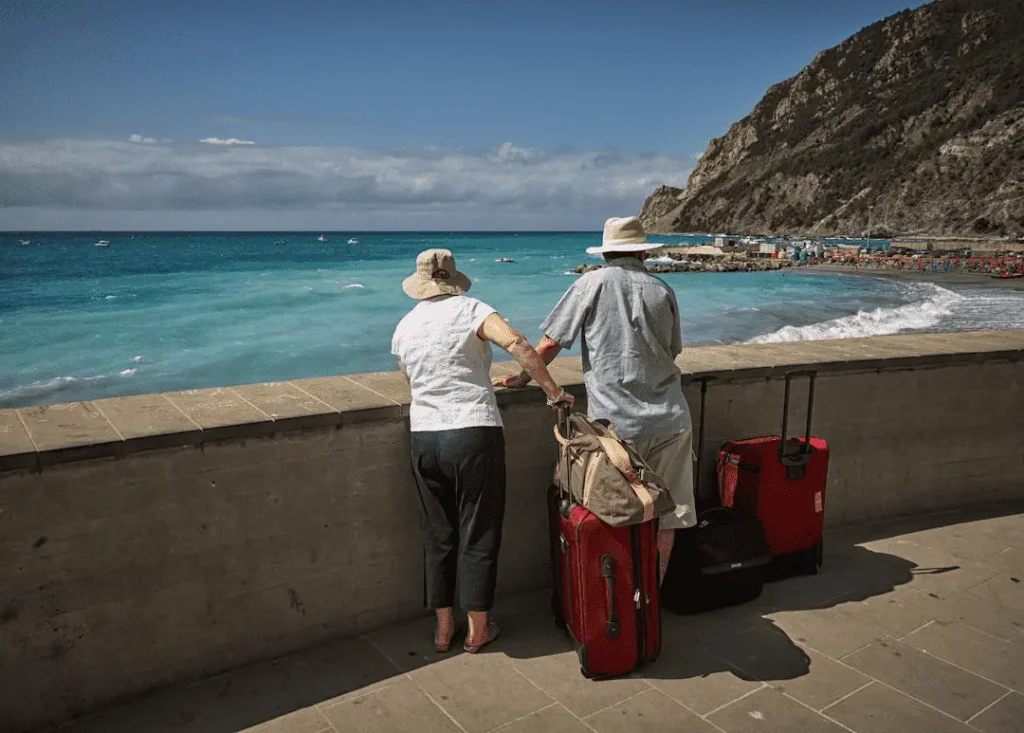
Who doesn’t like the summer holidays? This season is a time of the year beloved by everyone, young and old, and of course including seniors. After all, there’s no better reward after months of being shut inside in cold weather than the warm sun on your skin, and no excitement like the endless adventures you can have in this season. But still, for seniors, summer can be a bit tricky: planning a trip, looking out for delicious food or things to do that are both interesting and relaxing… There’s just too many things that come into play when preparing for your holidays. But fear not! This post is for all the senior vacation goers who’d like to spend their summer vacation in the most exciting and interesting ways. Pick up your favorite drink, and let’s look at a few fun things you can do as a senior during this exciting season! Planning Your Travel In order to have a great time during the holidays, one of your first priorities should be making sure you successfully plan the way you travel and the activities you want to engage in. That way, you’ll be able to minimize any stress and maximize your enjoyment. The very first step is to select a place where you really want to go. At the end of the day, there is no school or work schedule that you have to work around, which is a luxury that only you will have. So, we want to make the most out of it! This means that this is your chance to pick up a place that was always on your bucket list. Here are some ideas for those of you in Canada: Of course, you can always explore further away destinations, but Canada truly has a million things you could spend your time doing this summer. Stay Safe & Healthy During Your Trip When planning your senior summer vacation, you should always focus on your health and safety to have a wonderful time. This is critical, especially in areas with a lot of sun or that are not close to big cities. Luckily, you can prepare for many health concerns by researching the area before you go, talking to your doctor about any necessary vaccinations or medications, and packing a first aid kit just in case. Here are some tips that might help you stay safe during your summer vacations: Staying Connected With Your Family Another great idea when planning your senior summer vacation is to use social media and messaging apps to follow up with your loved ones and tell them about all the things that you are doing while you are away. So, how do you actually do this? There are a couple ways you can stay connected even while not at home. Step one would be simply writing on Facebook or simply posting photos on Instagram, which ensures that your family and friends remain with you in spirit as you document your adventure. If you want to take this a bit further, you can always video call your loved ones to have conversations where they get to enjoy the sights and sounds of your trip instantly over apps like Skype or Zoom. And WhatsApp, Viber or Telegram are best for quick updates and sending pictures. And of course, if you’re a bit more old-fashioned, you can simply call them every once in a while to let them know you’re okay. While not everyone will choose to tap in, it is a nice idea that will help make your vacation even more enjoyable and will bring peace of mind to your family back home. Stay connected, and have a great summer vacation! Read also. 7 Rules To Keep You Healthy In Your Home Packing Essentials For Your Summer Vacation When going away, it’s important to pack smartly if you want your summer vacation to be successful! Pick lightweight, versatile clothes that can withstand some unpredictable summer temps. Of course, depending on where you’re going, you’ll probably want to have different types of outfits. Okay, let’s talk layers — a light jacket or sweater can save your life on a cooler evening or in case of a quick weather change. And assuming you want to be active during your holidays, you will be walking around a lot to explore, so make sure your shoes do not bring you any discomfort. Ditch the fancy shoes at home and bring a good walking or hiking shoe or a good pair of sandals. Where Should You Stay? Now that you have packed a bag of summer essentials, it is time to consider what is the best place to choose for your summer vacation. There are a few tricks & tips you might want to keep in mind here. Keep Your House in Order With Custodia And to secure peace of mind during your vacation, you’ll want to know that your home is safe while you’re traveling. Nothing can ruin a summer holiday more than coming back home and finding everything dirty, messy or even broken. That’s what we’re here for! Custodia can mind everything in your home while you are away. We are experts in senior-focused home management services, which is why we are the ideal option to help ensure your home stays in great shape while you’re enjoying your well – deserved holiday. No more worrying about lawns left uncut, windows left dirty and houses filled with dust after a few days on vacation. Our professional team will take care of everything – you only need to enjoy your vacation to the fullest. Travel, and leave your home maintenance worries to us. With Custodia, you can ensure that your house stays pristine, so you can truly take a break and recharge as you escape for the summer. Rest in the peace of knowing your home is being taken care of.

Scams are big business and they’re increasingly targeting seniors, putting them at great risk of losing their assets, their independence and confidence. The lasting trauma of being ripped off can destroy their sense of trust, hope and wellbeing. The shame is overwhelming. “Seniors lost $177 million in 2023 which was an increase from $136.4 million from 2022,” says Jim Horncastle, spokesman for the Canadian Anti-Fraud Centre (CAFC) tells Custodia.com. Overall, Canadians lost a staggering $557 million to scams in 2023. The CAFC identifies 30 different types of fraud, and the overall reported loss for the first three months of this year is $123 million. From love and financial scams to fake price and home repair fraud, research reports that seniors (60+) are 33% more likely to get conned by fraudsters compared to other age groups. In particular, the emergency grandparent scam is swindling seniors out of millions. Imagine being home alone and you get a call saying your grandson is in jail! The caller posing as a police officer demands $9,000 cash in bail money, and says not to tell anyone about it. Grandparent scams target older adults That very scenario sent Diane Lindsay of Ingersoll, Ont. into a complete panic; she immediately called her husband Ron who was curling at the time, to go and get the money. “She was told that our grandson was in an accident and drugs were found in the car. The caller knew our names, knew we had a grandson, and claimed to let her speak to him,” Ron, 83, tells Custodia.com. Ron suspected a scam from the start and drove to his daughter’s house where he found his grandson safe and healthy. The fraudsters brazenly called back a few more times, irate and demanding the money; Ron reported the scam attempts to the police and Canadian Anti-Fraud Centre. The Lindsays are lucky – many seniors fall victim to this scam and others. Recently the OPP put out a warning for Canadians to be vigilant after a senior with dementia lost $600,000 through repeated grandparent scams. She couldn’t remember the situation from the day before. “Do not react to what they say. Tell them you will handle it by calling authorities and hang up,” says Ron. “They’re aggressive and very experienced and have the answers to all your questions.” Swindled out of $75,000 for roof repairs not needed Be leery of all high-pressure pressure tactics and unsolicited offers on the phone, online and shady solicitors coming to your door pitching home renovations. “Better you contact businesses when you need something done,” he adds. Never sign anything on the spot! Beware the friendly fraudster at your door that appears to be knowledgeable and can give you a one time-special price to fix your roof, fence or driveway. They put on the pressure to sign a contract or give a big deposit and do little, poor or no work at all. Toronto retirees Judy Poirier and Robin Rushton ended up getting scammed out of $75,000 by a man who offered to cap their chimney. That $800 fee grew to $62,000 when the workers claimed extensive roof damage requiring structural repairs. The reno quote steadily climbed to beyond $100,000. Apparently, the roof was falling down. They were terrified: “He used the words that there was damp wood, rotting wood, broken wood, mould. The roof was going to collapse. It was dangerous. Winter is coming,” Judy told cbc.ca. The truth is all the roof could have used were new shingles, at a cost of around $8,500. Landlines increase vulnerability to fraud The money paid in bank drafts is gone. “I’m an emotional wreck … I can’t tell you how terrible it is,” Judy told cbc.ca. “I don’t know how, if, we’ll ever be able to build our savings up again.” It’s easy to fall victim to people who impersonate government agencies, grandchildren or other pushy people who quickly elicit trust, including investment, romance and service scammers. And fraudsters are only getting smarter and more sophisticated and employing artificial intelligence and QR Code fraud to steal. According to Horncastle, vulnerabilities in digital platforms are being exploited with “criminals commonly using caller id spoofing, search engine optimization, fraudulent online and social media ads or compromised accounts.” Having a landline makes older homeowners an added prime target. Going on websites like Canada 411 offers loads of information like someone’s phone number, name and address. Scammers search obits and social media for names of grandchildren or relatives which they employ to manipulate seniors. Don’t fall for high-pressure tactics Horncastle reports that victims are being contacted through ads on social media, telemarketing calls or through door-to-door sales persons. Ads on social media will ask for your contact information, and then after sharing, you’ll receive a call to set up an appointment at your home. “Door-to-door sales people can use high pressure tactics and can be aggressive in nature. Consumers may find themselves in a situation where they purchase a product or sign up for a service they neither need nor want,” says Horncastle, and that may come with contractual obligations. “They may claim that the victim is eligible for a grant through a government program and pressure the victim into signing a contract or prepaying for the equipment or services.” Common home service scams include: Scammed home owners end up with work or equipment that is often not worth the price paid, and in some cases that warranties are invalid, he says. “The CAFC has also received reports where victims have signed a contract and a Notice of Security Interest (NOSI) has been placed on their home.” Scammers impersonate legitimate companies Scammers are predatory! “Whether you are getting a phone call, email or social media message always confirm the identity of the person by a different method of communication,” advises Horncastle. For example, look up the official phone number for the company, agency or person and make an outgoing phone call. Fraudsters will often use the name of legitimate companies in order…
Read more

By Joanne Richard. How many times have you heard it? “I have everything – don’t get me anything.” Yes, many older folks don’t want or need more knickknacks or warm gloves, or gift cards, but there are still many thoughtful and Best Christmas Gift Ideas for Seniors that can make their lives simpler, safer, and just more comfortable and cozy. And that just won’t sit somewhere on a shelf. With gift-giving season rolling in, the big countdown is on and there are only so many shopping days left! We’re here to help with a sleighful of thoughtful ideas that provide self-care, fun experiences, or assist with special needs – and make life that much more merry. List of Best Christmas Gift Ideas for Seniors From sensible gifts to sentimental things to presents that make aging at home a whole lot easier, there’s something that’ll brighten Christmas morning for every special senior on your list. Explore our curated collection of the Best Christmas Gift Ideas for Seniors and spread joy and comfort this holiday season. 1. Nest Thermostat. Get them some smart technology to keep them living in their own homes with ease and confidence. A Nest Learning Thermostat has a big, sharp display and remembers what temperature your folks prefer, learns their schedule, and programs itself to save energy. Available at major retailers including Best Buy, Canadian Tire, Lowes, and Walmart. 2. Smart Garage Door Opener. Welcome your loved one home with a Smart Garage Door Opener that lets them in and out safely and effortlessly with the simple touch of their Smartphone; lots to choose from at Canadian Tire, Home Depot, and other retailers. Consider these among the Best Christmas Gift Ideas for Seniors, offering convenience and peace of mind during the festive season and beyond. 3. Smart Ring Doorbell Ring in the holidays with a Smart Ring Doorbell. Lets them see who’s coming and going, safely and conveniently, and even chat with visitors – even if they’re not home. A variety of models are available online and at major retailers and are super easy to install and user-friendly. 4. Heatable Slippers Spa Chic Warm their heart and their feet with the new and glamourous Heatable Slippers Spa Chic by Magic Bag. Give soothing relief of aches and pains with lavender aromatherapy slippers that hold heat for 30 minutes after warming them up in the microwave. Store in freezer and use them instead as a cold compress. The heatable inserts can be removed. Available at magicbag.com and pharmacies and retailers across Canada, along with other therapeutic Magic Bag Spa wellness products, including the Lavendar Extended Aromatherapy Wrap Spa Chic and the Eucalyptus or Lavender Aromatherapy Mask. 5. Digital Calendar Alarm Day Clock Keep them up to date with a digital calendar alarm day clock with an extra-large screen display that’s convenient and simple to read; or consider a high-resolution calendar wall clock that spells out the time, day, and indoor/outdoor temperature in 3.25-inch digits. 6. Electronic Photo Frame No technical skills are required. Connect your folks to love and fun with videos and photos on an electronic photo frame. Share the login information with family members and everyone can share their good times – manage the frame, so many to choose from, with your phone and update using apps, email, Google photos, Facebook, Instagram, and more. 7. Flipper Big Button Remote Remotes can be a major frustration for seniors – the Flipper Big Button Remote features large color-coded tactile buttons for easy use and works for up to two devices. Only six easy-to-read and easy-to-operate buttons – On/Off, Channel Up, Channel Down, Volume Up, Volume Down, and Mute. Ideal for loved ones with Dementia or Alzheimer’s or someone with low and impaired vision. 8. Cobble Hill Easy Handling Puzzle Something entertaining like a puzzle is a great way to exercise the brain, and there are options for every activity level, including those with vision or cognitive challenges. Cobble Hill Easy Handling puzzles have 275 pieces and are not only perfect for easy assembling but large pieces make the details more visible. At walmart.ca, scholarschoice.ca, and other retailers by checking outsetmedia.com. 9. Customized Photo Gift Add a special touch to a puzzle by customizing it with a favourite family photo. Not only is it a great Christmas day activity for the entire family, but it’ll warm mom’s heart over and over again. Or put that special memory on a blanket, mug, doormat, pillowcase, calendar and more at photobookcanada.com, canvaschamp.ca, vistaprint.ca and more. 10. Personalized Drawing Jigsaw Puzzle Guaranteed to melt grandma’s heart, how about a Personalized Drawing Jigsaw Puzzle? Get a grandchild or even great-grandchild to draw a picture on this blank framed canvas jigsaw puzzle, then break it apart and place it into the included gift box. It’s from Poppys Collection, a woman-run, a Canadian business that specializes in curated items for babies, kids, and families from around the world. 11. Sound Bar TV Speakers Now they’ll hear what you hear. Soundbar TV speakers clarify the dialogue and reduce the distracting background sounds so hearing-impaired seniors don’t have to turn things up so loud. The ZVOX Dialogue Clarifying Sound Bar features patented hearing technology that separates the voices from the rest of the soundtrack – and then manipulates them much like a hearing aid does. The voices literally jump out of the soundtrack and can be heard clearly. 12. Weighted Blanket Give them a much-needed hug when you’re not there. Weighted blankets could provide your loved one with a more fitful sleep, calm nerves and diminish anxiety, including those with Alzheimer’s and dementia. The therapeutic effects of deep pressure simulated through the use of a weighted blanket have been documented. Proudly Canadian Hush weighted blankets get rave reviews and so too many others – check out reviews. Consider these as some of the Best Christmas Gift Ideas for Seniors, offering comfort and relief during the holiday season and beyond. 13. Body Care Products Take mom out for lunch and personal service like hairstyling, a manicure or pedicure – something…
Read more
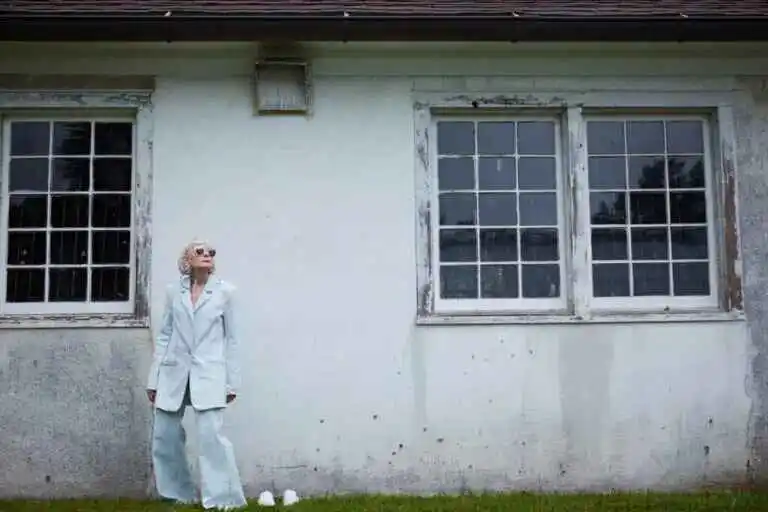
By Joanne Richard. Don’t let anyone tell you that social media influencing is for the young and wrinkle-free. Spirited, fashion-forward, hashtag-savvy 60-plus-year-olds like Lyn Slater are becoming online celebrities and enjoying the fame, and for some the fortune. Age is not a barrier to expressing oneself – especially on social media. Active agers galore are sharing their energy and wit and savvy online, whether it be for fashion, fitness, food, adventure, travel and more, and are changing the perceptions of aging. Who is Lyn Slater? Instagram fashion influencer Lyn Slater is the Accidental Icon and over the past few years, she has purposefully grown her Instagram followers to 753,000 by showcasing striking couture and her bold personal style, accessorized with her steely stare or dramatic sunglasses. In a competitive social media sea of fresh, young faces, the 67-year-old embraces her grey hair and wrinkles, along with the latest trends and technology. The recently retired professor has always had edgy, head-turning style – often mistaken for being in the fashion industry, hence her moniker – and has built on her passions for clothing, culture and writing to show her wear-abouts to the world. While fading with age is seen as the norm, Slater has never been more visible or powerful. She’s worked with some of the world’s top luxury brands including Loro Piana, Kate Spade, Valentino Eyewear, Dior, Uniqlo, Gucci Beauty, Noble Panacea, LaPrairie, Bally, Maison Margiela Fragrances, Farfetch, Net-a-Porter and more. She is with a talent management agency and has a literary agent. Slater sees herself as providing her “followers with inspiration and permission to wear what makes you happy regardless of what someone else may think or choose to wear.” How does she pick her pieces? “I choose based on who I am in the particular time I’m living in, what I’m doing and the particular aspect of my identity I might want to highlight on any given day.” “I never set out to change perceptions of aging, I just wanted to express myself creatively and do something different than my work as a professor.“ With a calm, refined, uncluttered social media presence, bare on hashtags and big on upscale collaboration, she shows aging in a vibrant, self-accepting way. She is comfortable in her own grandma skin – there is no retouching. “I never set out to change perceptions of aging, I just wanted to express myself creatively and do something different than my work as a professor. Inadvertently I ended up showing that the future of aging is not to be feared but can be a time of new experiences and adventures,” says Slater, who retired two years ago as a professor of social work and law at Fordham University. Her newest adventure is a restoring an old house after moving out of New York City and enjoying having access to nature as well as living in a smaller community. No country bumpkin for her though – she’s brought along her Prada, Dior and more. She especially loves her second career of creating content for social media, which she does a few times a week, and is busy studying photography and growing her passion for writing non-academic essays. During the pandemic, she’s been ruminating about her life and aging, and it’s resonating with her followers. In a recent blog, she writes: “I’ve accepted that I’m old and feel no shame, no despair about it. In fact, I decided to inhabit it completely and explore it as an unknown territory, much as I would a city I’ve never been to before.” There’s nothing you can do to control aging, so try to be the best you can be. Just like her jeans, her very favourite clothing item – “I love that they become better as they age” – she too is doing the same. “Even as we are fading and becoming even more worn, we continue to create new narratives and add more value to ourselves with each passing day,” she blogs. Slater’s platforms crush dowdy stereotypes. “We need more positive representations of aging in the media. Let’s get rid of the fear and make people actually look forward to getting older,” says Ari Seth Cohen, a celebrated photographer and author whose Advanced Style project is devoted to featuring senior street style on Instagram @advancedstyle, and in his photos, film and books. In a world that promotes aging as ugly and needs to be fixed, Cohen beautifully celebrates and empowers stylish seniors. “We are told that wrinkles are wrong because the beauty industry makes huge profits off of our fears and insecurities. I have always loathed the term anti-aging. Anyone who is lucky enough to get to an older age should be embraced, celebrated and made to feel worthy. “I started Advanced Style in celebration of my grandmother Bluma who was my best friend. My perspective is that we should all have the permission and freedom to be and express whatever we want no matter what age we are,” says Cohen, author of Advanced Style: Older and Wiser. He encourages seniors to share their energy and experiences lives online, just like two of his book models and Instagram favourites, @saramaijewels and @lesleyhasmanyhats. To have an online presence, you need authenticity and originality, along with “having a point of view and connecting with your audience in a way that creates a conversation beyond just style.” Slater figures her popularity comes from her honesty, and keeping things real: “Older people are very diverse and aging is an individual experience. I’m just showing how I as one woman am approaching aging. Aging has both good and not so good aspects to it… I’m not on a crusade about it. I believe that showing gets much better results than telling.” While Slater adores fashion, social media doesn’t get the same rave reviews. She’s been tech savvy for many years as her training in social welfare policy taught her to forecast cultural phenomenon. “I owned the first laptop computer ever made by Apple and was an early adapter of…
Read more