Now booking for Spring 2025 – Call 1-833-410-4357 or Book Online!

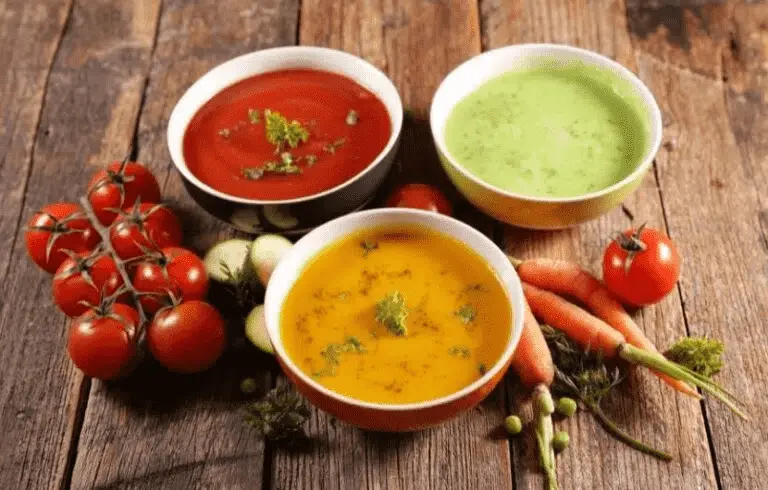
By Joanne Richard. As seasons change, so do moods. Chilly temps, shorter days, and being cooped up inside can zap our energy and have us feeling a bit blue. And that steady diet of doomscrolling – a new variant spreading, another pandemic winter – is messing with our brain. The cold, dark days of winter have the potential to add negative stress and create unpleasant moods such as sadness, worry, frustration, lethargy, and irritability,” says wellness expert Dr. Haley Perlus, of drhaleyperlus.com. Your sleep, appetite, physical movement, and overall energy levels can all be impacted, and take a toll on all aspects of your life. However, incorporating the right foods for good mood can make a significant difference. If you’re tempted to reach for bottomless bowls of chili or bag after bag of junk food, you’re not alone. “People have evolved to have subconscious urges to over-eat, and limited ability to avoid becoming obese, especially in winter,” reports a study by the University of Exeter in the U.K. Yikes. Obviously, mindful eating is tough, especially as we’re parked close to the fridge, but taking stock now – of what goes into your mouth – may help keep your spirits up in the toughest season of the year. “Eating light and often is a great way to boost your mood. It’s good practice to eat every two to three hours, never going four hours without food,” says Perlus, who specializes in sport and performance. “Just think, when is the last time you went more than four hours without eating and all you craved was kale? Never.” “Going hours without eating can have us craving unhealthy foods because our bodies crave quick glucose.“ It’ll help eliminate bouts of being hangry – being so hungry you get angry. Going hours without eating can have us craving unhealthy foods because our bodies crave quick glucose. “Although we do get a quick boost in energy, we feel worse in the long-term,” Perlus adds. “Eating light and often will steady your mood with the added benefits of consistent brain energy, decrease unhealthy cravings, maintain muscle mass, and prevent excessive fat storage.” Chef Michael Stevens-Hughes is witness to the power of food and its health-boosting benefits. Stevens-Hughes is a Chef de Cuisine at Ste. Anne’s Spa where healthy dishes are the primary ingredient in nourishing overall wellbeing. He sees firsthand how good food makes people feel good. His fresh and delicious dishes are created to deliver relaxation, healing and gastronomic joy. “A nostalgic dish can trigger fond memories of family or comfort and really help people relax, while exciting new flavours can help people forget about some of their troubles.” Times may be troubled and food can soothe the soul but not so much fats and sugars. While “our bodies crave comfort and the solace of a good show, a cozy couch and potato chips,” everything in moderation, says Stevens-Hughes. What will boost your mood, energy and immunity are nutrient-dense foods, including lots of dark leafy greens, beans and legumes, whole grains, nuts and seeds, dark berries, and sustainably-caught fish like salmon and trout. Add in grass-fed beef, oats, bananas, and fermented foods, says Perlus. And dark chocolate, hot cocoa and coffee too – just regulate amounts. Meanwhile, delicious hot soup is especially soothing for the soul in the cold months and a great way to incorporate lots of good-for-you ingredients. Enjoy these health-boosting soup recipes from the cookbook Everyday Recipes from Ste. Anne’s Spa: Herbed Tomato Soup Ingredients: Method: • Heat oil over medium heat and sauté carrot, onion and celery for about 2 minutes. • Add garlic and spices and then add sugar; let cook for 1 minute, add vinegar and simmer for 2 more minutes. • Add tomato paste and stir until blended, then add diced tomatoes, vegetable stock and bay leaf. • Bring to boil and simmer for 15 minutes. • Skim impurities from top. • Add salt and pepper to taste and remove bay leaf. Yields 6 portions. Apple & Parsnip Soup Ingredients: Method: • Heat olive oil in large saucepan over medium heat; add shallots and cook for 1 minute. • Add parsnips and cook for 5 minutes; add apples and vegetable stock. • Cook approximately 20 minutes on medium until parsnips are tender. • Purée soup if desired; add honey and seasonings. Serves up 6 portions. Pureed Carrot, Ginger & Rosemary Soup Ingredients: Method: • Heat oil in large saucepan on medium heat and add onion; cook approximately 3 minutes until transparent. • Add carrots and celery and cook for 5 minutes. • Add ginger and rosemary and stock. • Bring to a boil and add potato; bring back to a boil, then simmer 15-20 minutes. • Purée the soup and add salt and pepper to taste. Maple Sweet Potato Soup Ingredients: Method: • Heat oven to 350ºF. • Roast unpeeled sweet potato, flesh-side down, until brown and soft (about 20 minutes); this can be done a day or two ahead of time while roasting something else. • When cool, peel off the potato skin, which should now be quite loose. • Heat oil in a saucepan over medium heat. • Add onion and softened sweet potato; sauté until onion is transparent (about 4 minutes). • Add remaining ingredients and let simmer for 15 minutes. • Purée for a smooth soup; mash if you prefer a chunkier texture. Yields 6-8 servings. For a different flavour, try pumpkin instead of sweet potato and honey instead of maple syrup. *Recipes reprinted with permission from Ste. Anne’s Spa.

By Joanne Richard. Aging is sparking innovation. In exploring the future of aging, business leaders and entrepreneurs are strategically adapting their products and services to match the demands of seniors and deliver on unmet needs and consumption habits. Empathy and wellness are driving designs for the ever-growing population of older adults – the 60+ global population will encompass more than one in five human beings by mid-century, climbing from 962 million to 2.1 billion by 2050! As we contemplate this demographic shift, it’s imperative to consider the future of aging and develop solutions that promote dignity, independence, and fulfillment for seniors worldwide. Adults are not only living longer, they are expecting to “live longer better” and that, according to Colin Milner, requires solutions that embrace active aging. Older people want to retain their function abilities at as high a level as they can, for as long as they can, including physical, cognitive, and social function. “The better we function in all areas of life, the better our lives,” says Milner, CEO of the International Council on Active Aging (ICAA) and a leading authority on the health and wellbeing of the older adult. According to ICAA research, 59% of senior living communities see themselves moving from a care-based community with wellness, to a wellness-based community with care. There is a stream of wellness trends that are empowering active aging, including innovative places and spaces, growing person-centered wellness solutions, and harnessing technologies to boost health, wellness, and quality of life, says Milner. These smart innovations and new approaches championing older adults will also fuel healthy economic growth. Older people have purchasing power! “The 50+ market now accounts for 70% of disposable income, a number that has grown from 50% twenty years ago,” says Milner, who hosts the podcast Colin Milner Rethinks Aging With… and features researchers, best-selling authors and thought leaders to help transform the conversation on aging and envision the future of aging. Here is what Milner is seeing on the new aging-driven frontier:

By Joanne Richard. As the pandemic lingers, so too the suspicion of touch. Do you flinch when someone reaches out to touch you? Anxious about a spontaneous hug or an encouraging pat on the back? If you’re feeling out of touch, you’re not alone. Eighteen months into the pandemic, and we’ve forsaken casual touch, from handshakes and hugs to pats, rubs, squeezes and strokes. And with dreary winter days looming ahead and continuing social distancing measures, who knows exactly the after-effects of this global experiment in touch deprivation. According to experts, people can experience touch starvation. “Human beings are uniquely wired to crave touch and to be touched,” says registered psychotherapist Joshua Peters, and we’re hungering for this form of communication but touch has become synonymous with fear and sickness in the pandemic. “Being held is one of the first ways we communicate feeling loved and connecting with others… touch reminds us that we are loveable and safe,” says Peters, a clinical supervisor at the Centre for Interpersonal Relationships, adding that there’s an increase in people in therapy describing their need to be touched and held. It’s an essential life ingredient but the pandemic has some of us enduring a solitary confinement of sorts, says Peters, and being touch deprived can make individuals more irritable or depressed. “Public health restrictions are essential for our greater health, but have no doubt taken a toll.” According to the 2020 BBC and Wellcome Collection survey, as the pandemic progressed, even those who lived with other people began craving more touch. Touch was the most vital nonverbal behaviour in the nursing profession when treating older patients. And the desire for touch may be felt more intensely by older adults, suggests a study published in Nursing Older People. It reports that touch was the most vital nonverbal behaviour in the nursing profession when treating older patients. “In old age, the tactile hunger is more powerful than ever, for it is the only sensuous experience that remains,” write the study researchers. Touch makes us tick, but according to Dr. Tiffany Fielding, we’ve actually been falling out of touch for quite some time. “It seems that the pandemic has only exacerbated the touch deprivation that was already happening.” Fielding has been researching therapeutic touch for decades: “We studied touch at airport departure gates before the pandemic and folks were only touching 4% of the time. They were mostly on cell phones – and not talking – just texting and scrolling,” says Fielding, founder, and director of the Touch Research Institute at the University of Miami Medical School. One of her studies shows that in the U.S., couples in a café touched once every 30 minutes. In Paris, it was 20 times every 30 minutes. The no-touch culture isn’t good for us – we need a daily dose of touch, says Feilding. “We know from our research that moving the skin is critical for health.” Practices like massage and exercise can help us find calm and cope better. Skin stimulation actually slows down the heart rate and the release of stress hormones like cortisol, says Fielding. “When you reduce cortisol you can save natural killer cells that ward off bacterial, viral and cancer cells. Ironically, during a viral pandemic we need more natural killer cells and natural killer cell activity but with less touching that is not happening.” “Human touch is a critical and powerful part of our existence, and integral to our bodies ability to heal and regenerate” Until now, few comprehended the strength of touch, and most took it for granted. “It’s silent but potent. Human touch is a critical and powerful part of our existence, and integral to our body’s ability to heal and regenerate,” says Jim Corcoran, a pioneer in the health and wellness industry and founder of Ste. Anne’s Spa in Grafton, ON. “When we’re deprived of positive human touch, there’s lots of cascading negative side effects to our health – that’s why we’ve required therapeutic treatment as part of our spa experience since we opened 30 years ago.” Corcoran is seeing an overwhelming demand for their holistic services, particularly body massages, head massages and facials. People don’t feel comfortable traveling far and have faced very restricted access to the health/wellness sector, and this has resulted in a surge to satisfy an insatiable hunger for stress relief and rejuvenation in the form of restorative, prolonged, well-intentioned touch at his destination spa. He has witnessed touch taking a backseat in modern life: The rise of busy lifestyles and technology have replaced healthy skin contact. Cell phones are held instead of hands. In addition, “we’ve seen western medicine move away from human touch – there’s latex, paper or stainless steel between you and the caregiver,” says Corcoran. We need to prioritize touch as an important component of wellbeing, agree experts. It will take time to decondition our fear response to touch but “our deeply human yearning to touch and be touched will no doubt re-emerge with time and patience,” adds Peters. Take therapist Joshua Peters’ tips to buffer against touch deprivation

By Joanne Richard. Social isolation is worsening and detrimental to seniors’ health. Dr. Nancy Jecker embraces robot companions as an answer for the aging and loneliness in the age of AI. “Companion robots can help the elderly age in place better and longer” Companion robots can help the elderly age in place better and longer, and provide much-needed social interaction and even physical affection, according to Dr. Nancy Jecker, a professor of bioethics and humanities at the University of Washington School of Medicine in Seattle. Jecker has been studying aging for decades and she sees a future of robotic technology integrated into the social lives of older adults in many supportive ways, including supporting emotional health and wellbeing and countering against ageism. It’s crucial to rethink aging and consider innovative approaches like robotic technology to enhance the lives of older adults. “Future robots could be designed to help alleviate the unmet social and emotional needs of older people. This could include being available 24/7 to serve as friends, caregivers, confidantes, and sexual partners,” said Jecker, who was interviewed by Custodia. “Being socially isolated not only feels bad, it literally makes people sick“ The bioethicist has witnessed the declining ranks of workers to help care-dependent older adults and the rapidly growing ranks of senior citizens who are living longer but are isolated. “Far more than any other age group, older people are socially isolated and lonely. Being socially isolated not only feels bad, it literally makes people sick,” and is strongly associated with an increased risk of dying, Jecker said. Robot-human relationships can fill a void and serve as an important new alternative to human-human relationships, said Jecker. She has written extensively about some of the key roles sociable robots can play for older people as caregivers (carebots), friends (friendbots), and in her most recent paper, as sexual partners (sexbots) and intimate companions. Jecker published a paper in the Journal of Medical Ethics entitled “Nothing to be ashamed of: sex robots for older adults with disabilities.” She is also the author of the E-book and print book: Ending Midlife Bias: New Values for Old Age (Oxford University Press, 2020). According to Jecker, robots are already increasingly emotionally intelligent and capable of serving as friends and companions. They can relate to us on a personal level, read our non-verbal cues, sing, play games, and be good companions. “This matters because sexual fulfillment is not just about physical satisfaction, it’s about being in a relationship and affiliating.” These robots present the possibility of forming a relationship and feeling close to another, which differs from other assistive devices, she said. Future robots will be able to touch, rub, hug, pat, and hold hands with older people without causing injury. “A promising new field of research is soft robotics. Soft robotics mimics soft-bodied creatures in nature, replacing hard metallic surfaces of traditional robots with softer, pliable surfaces.” She added that soft robots will be safe for older end users who, as a group, tend to be more frail, less agile, have worse balance, more porous bones, and less muscle mass. “This would all represent a massive rethink on our part regarding how we view ageism, sex and seniors, and robots as friends/lovers.” “… since people tend to attribute race to humanoid robots, we should deliberately design robots to cater to a racially diverse clientele.” Today’s sex robots are sexist, racist, ableist, ageist, and heterosexist, she said, and her latest paper is a bid for reimagining them. “From an ethical perspective, we need to support human dignity and to take seriously the claims of those whose sexuality is diminished by disability or isolation. Society needs to make reasonable efforts to help them.” She hopes that future robots will target more diverse end-users, including people of all ages, genders, abilities, races, and cultures. “For example, since people tend to attribute race to humanoid robots, we should deliberately design robots to cater to a racially diverse clientele. “As robots become increasingly integrated into our homes and workplaces, they bring with them implicit social norms and values. They have the capacity to rapidly reproduce and reinforce implicit social biases or to expand people’s thinking to be more inclusive,” she said. Robot-human relationships can enhance our quality of life and support human social needs in important ways. We could take a cue from our Japanese counterparts, offered Jecker. Some Japanese end users may find it easier to bond with robots compared to their Western counterparts. They may be less likely to think of robots as “empty” inside. For instance, the integration of technology like the Chaton AI chatbot reflects how technology can bridge cultural gaps and foster connections. “We can learn from the Japanese to avail ourselves of the rich possibilities human-robot relationships will increasingly offer. Robot-human relationships can enhance our quality of life and support human social needs in important ways. They will not be the same as human-human relationships; they will be something else.”

By Joanne Richard. Canadians of all ages are feeling the impacts of the pandemic outbreak but older workers have been particularly hit hard in the accompanying economic downturn. “Older workers are likely to be more experienced, more costly, and therefore at greater risk…” According to AARP research, since the onset of COVID-19, workers 55 and older lost jobs sooner and were rehired slower. It typically takes them twice as long to find work again compared to their younger counterparts ages 35 to 54. This segment of the workforce is talented, committed, and flexible, with a litany of valuable transferable skills, yet the still-flourishing ageism trend acts against them in the workplace and, apparently, so too the seniority that had protected them in earlier downturns, particularly as they navigate the challenges associated with the aging brain. “Older workers are likely to be more experienced, more costly, and therefore at greater risk, when there is an economic contraction and employers want to cut payroll costs,” says Dr. Michael Merzenich, renowned neuroscientist at the University of California and a world authority on brain plasticity. “They may also be perceived as less tech-savvy and less able to adapt to working remotely – though that is often inaccurate, since these are workers with decades of good work habits.” As vaccinations roll out and the economy bounces back, there’ll be new opportunities rolling out. Don’t let unemployment be career-ending. As vaccinations roll out and the economy bounces back, there’ll be new opportunities rolling out. And while starting a new career may be daunting, neuroscience tells us that change and challenge are good for the aging brain. According to Merzenich, rejoining the workforce will require uncovering hidden skills and abilities by trying out new careers or retirement work, and getting proactively creative. No matter your age, never underestimate your ability to meet challenges and evolve in changing times. “We are constructed to change. Brain plasticity – the ability of the brain to change chemically, structurally, and functionally throughout life – is our greatest human asset,” says Merzenich, who developed the new field of brain training exercises and is a regular on PBS as the subject of Brain Secrets and The Brain Revolution. At any age, every brain is capable of very substantial change, in an improving and strengthening direction. Progressively challenging forms of brain usage grow brain power, he says. Your brain is enlivened by challenges that require new skill acquisition and new learning. “At any age, every brain is capable of very substantial change, in an improving and strengthening direction.” Incredibly, the negative changes in the brain that contribute to functional and neurological decline are very substantially reversible – at any age. “The likelihood that you will progress to ‘lose your marbles’ is substantially within your hands because the great majority of people have the capability to ‘turn back the clock’ vis-a-vis their organic brain health and its functional powers.” Merzenich offers these tips to help older job seekers rejoin the workforce:

By Joanne Richard. Spring is here and what’s certain is that warm weather and sunshine will replace the dark days of winter. “Your brain wants to know what’s around the next corner so it can keep you out of harm’s way.” While sunnier days beckon, uncertainty lingers as the pandemic and intermittent lockdowns continue to cloud our horizons. As human beings, we crave security and a sense of control, and the pandemic has disrupted routines and everyday tasks, and given us lots to worry about. Even with vaccinations on the rise, many of us can’t help but feel stressed and unsettled about what our new normal will look like. Our brain dislikes uncertainty, says author and psychotherapist Dr. Bryan Robinson. Your brain wants to know what’s around the next corner so it can keep you out of harm’s way. “It always assumes the worst… You’re hardwired to overestimate threats and underestimate your ability to handle them all in the name of survival.” • Identify things you can control To thrive, not just survive, in these uncertain times of uncertainty, identify things that you can control, Robinson recommends. “It can be simple things such as wearing a mask in public, arranging furniture, healthy self-care such as meditation, exercise, nutrition, and sleep.” Asserting our will over our living space and getting things in order give people a sense of mastery and control, and lowers stress and anxiety. Tackle chores, projects and home repairs that may have been neglected over the past year. Asserting our will over our living space and getting things in order give people a sense of mastery and control, and lowers stress and anxiety, reports research by Darby Saxbe, assistant professor of psychology at the University of California. COVID fear has taken its toll on us, and the winter has taken its toll on your house and property – having a tidy backyard will provide a calming oasis that can make you healthier and happier, and reduce the risk of falls. Getting small home repairs done now can prevent larger, more expensive problems and worries in the future. “As things go downhill, create or rebirth something new. It’s invigorating and energizing.” • Helping others helps you Besides asserting control over a few simple things, further diminish stress by creating something new, suggests Robinson. “You don’t have to be an artist. But there’s an old saying that as things go downhill, create or rebirth something new. It’s invigorating and energizing.” In addition, help others and, in return, receive something known as “the helper’s high.” Robinson says that helping others takes the focus off ourselves, gives us purpose and makes us feel good, not to mention making things better for another person. “Thinking of the common good actually enlarges our perspective and helps us appreciate the blessings we already have.” • Focus on what you’re grateful for Practice gratitude, advises Robinson. Make a list of all the things in your life you are thankful for. That requires you to focus on the positive instead of the negative. “Your attitude is everything if you want to thrive.” “I had a multi-millionaire older man who built skyscrapers and was mad because he had to pay $1 million in taxes. He had lost count of the fact that he made $15 million that year. He was a rich man leading an impoverished life. Your attitude is everything if you want to thrive.” • Reduce stress with self-care Keep in mind that self-care is your first line of defense against the damage of ongoing uncertainty. “Self-care makes your use of time more sustainable. Healthy eating, rest and regular exercise increase your stamina to withstand any perceived threat to your survival.” Indulge in restorative activities that rejuvenate your mind and body and restore your energy and peace of mind, Robinson recommends. “Make a 10- or 15-minute appointment with yourself daily, and schedule personal time – a hobby, hot bath, manicure, yoga, facial, reading, contemplate nature, or meditate.” Read also, A note from our founder on the COVID-19 Pandemic. • Stress compromises immune system Your perspective is the most powerful thing you can control in a situation that is beyond your control, Robinson adds. Fear, panic and worry are not preparation or productive – “they add insult to injury, another layer of stress that can compromise the immune system and, paradoxically, make us even more vulnerable to the virus.” “Changing your perspective and reminding yourself that many gifts await you in the unknown future, that it contains many positive outcomes as well as negative ones, is a game changer.” Offset negative thoughts by finding an upside to a downside situation, he suggests. “Changing your perspective and reminding yourself that many gifts await you in the unknown future, that it contains many positive outcomes as well as negative ones, is a game changer.”