Now booking for Spring 2025 – Call 1-833-410-4357 or Book Online!

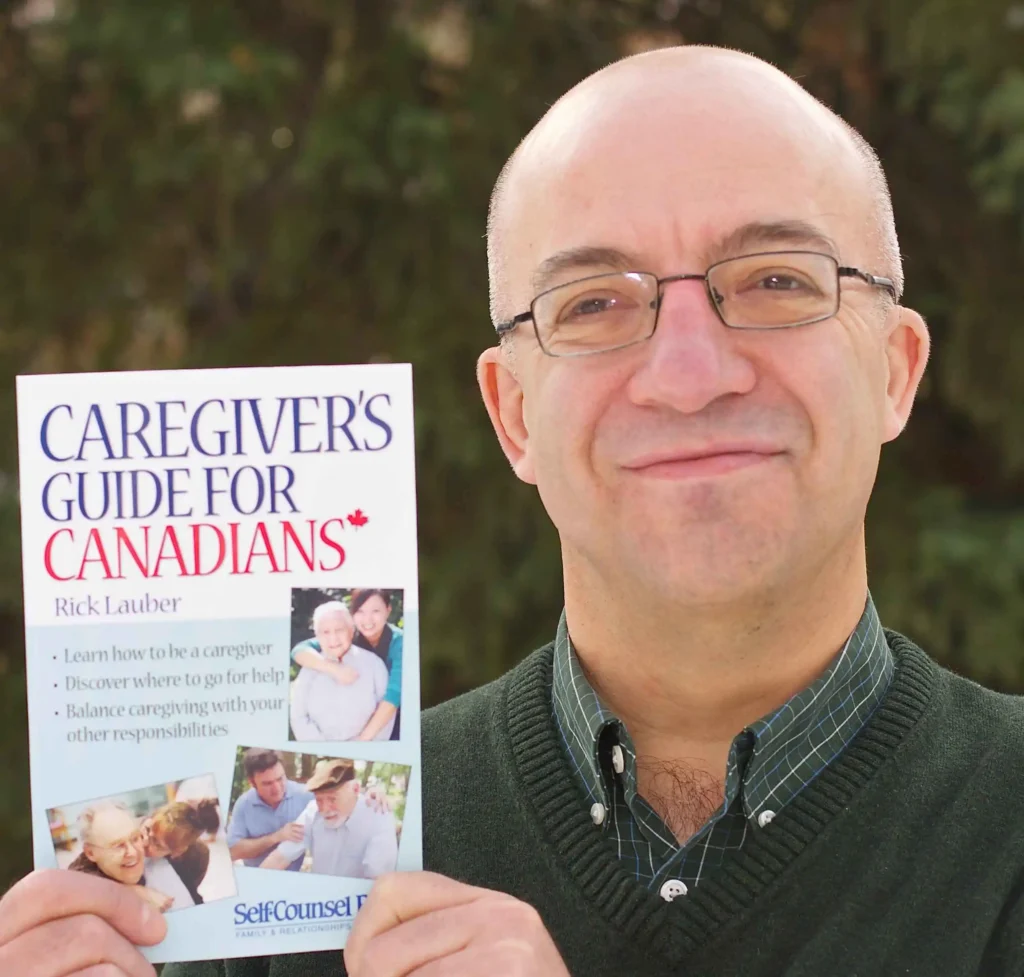
The tables turn and the person who cared for you will likely need care. As parents grow older, you want to be there for them but it can be a challenge especially if you don’t live close by. The distance can make it tough but you can still provide support and assistance to aging parents even if you’re living in a different city or even province. Rick Lauber, an Edmonton author and former co-caregiver, knows firsthand the challenges: “Caregiving was new territory for me… much like many others, I did not have related background experience or knowledge to draw from. I was also not prepared for my new role.” He shares what he learned caring for his aging parents in his two books Caregiver’s Guide for Canadians and The Successful Caregiver’s Guide, and offers practical tips, great guidance and encouragement to help prepare prospective and current family caregivers. “Caregiving can be a major time commitment and can easily impact a family member physically, mentally, emotionally and financially,” says Rick. Increased Costs And Stressors Initially he helped co-caregive from a distance for 10 years for both his senior parents, and then they moved closer to him and his sisters, which increased their responsibilities and contributions. “I remember being constantly on the go. If I was not planning the parental schedule for the next day or running another parental errand, I was worried about how Mom and Dad were doing or if my telephone would ring with an emergency.” Working alongside his sisters, he assumed many unexpected caregiving duties, like moving his parents repeatedly, driving them to appointments, managing their banking and paying bills and, in due course, serving as Joint Guardian and Alternate Trustee. For those caring from afar, there’s increased travel that results in added costs including accommodation, meals out and vehicle maintenance, and the stress of being less able to quickly react and respond to an aging parent’s needs, says Rick, who was a 15-hour drive away so he preferred the two-hour flight. When seniors retire to smaller towns, they will not have as many services available to help them. Take on New Roles Prepare to take on new roles, learn more about complex medical conditions, try to work harmoniously with aging parents and siblings, and balance caregiving with busy lives, families, and careers, he says. Family caregivers may also face increased stress over wondering if they are making the best decisions, he adds, which is a natural worry. “It’s important to note that caregiving is not all bad however: From my own experience, I built better relationships with my parents and sisters, became better organized, learned more about my own capabilities, and became more self-confident,” he adds. Read more about The Future Of Aging. Video Chat Regularly With the right approach and resources – and Rick’s tips – you can ensure elderly parents are supported and connected, no matter the miles. Communicate regularly. If adult children cannot easily travel to see their aging parents, they could still call them. A video chat (through Zoom or some other platform) is better than a phone call as it is more personal and can provide family members a much better opportunity to observe and assess the senior’s appearance as well as gauge how the senior is doing. Enlist outside help. Hire a caregiver from a trusted professional caregiving company. Coordinate with a friendly neighbour to drop in to visit with aging parents and then report back to distant family members. Outside help could also run errands for seniors while family caregivers are visiting – thus allowing them more quality time together. Get creative with outside help. Perhaps the neighbour is a dog walker and an aging parent could join on these outings for company, fresh air and exercise. A neighbour’s teen could be hired to mow a senior’s lawn or shovel snowy sidewalks. Reliability is critical so hiring a reputable company to do routine outdoor and indoor maintenance work can help greatly – research well. When speaking with these prospective providers, ask for references to check, if they have done similar work for other seniors, and how long they have been in business. Check with the Better Business Bureau as part of your research. Local seniors’ associations could possibly provide recommendations of vetted senior service providers. Technology Can be Your Eyes And Ears Utilize technology. Wearable health devices (e.g. wristbands) can measure and collect health data. Mobile device apps can remind aging parents to take their medication. Home monitoring systems can report on an aging senior’s movements within the home. Stove fire prevention devices automatically shut off the appliance if it has been left on for too long. On-line social media platforms (e.g. Facebook) provide an aging parent the chance to communicate with distant family members, join message boards for social interaction, research areas of interest, be entertained, and view photographs of the grandchildren. Technology can be a family caregiver’s eyes and ears from afar. Assign a primary family caregiver. When numerous siblings are available, a senior’s care can be shared; however, it may be beneficial to delegate one person to oversee the entire process. It may be tempting to choose the family caregiver living closest geographically to aging parents but consider what other siblings could bring to the table. “When Mom and Dad began to need more help, my sisters and I each took a turn to fly out, stay with them, and tend to what needed to be done. We each had our different skill sets and sharing the workload while still communicating with each other back home reduced the stress,” says Rick. Reduce Home Clutter Downsize. Aging parents often accumulate a great deal of stuff over the course of their lifetimes, but how much of this remains necessary? Reducing the amount of clutter in a parent’s home makes it safer. Large, bulky furniture can block a senior’s mobility and deep couch cushions which can trap a senior who may not have the strength or flexibility to stand.…
Read more
Social wellness is critical as we age. While there may not be a single magic pill for healthy aging, strong social connections deliver bigtime health benefits. It’s good for the soul, our happiness and our brain health. An active social life keeps us on the go and moving physically, boosts our mood and promotes cognitive health which helps fight off dementia and Alzheimer’s disease. Read more about Boost your brain health with 5 exercises Being social can lead to a better healthspan and longer lifespan too. Older adults with strong social networks had a 50% higher likelihood of survival compared to those with limited social connections, reports a study published in the Journal of Epidemiology and Community Health. Another study reports that 60-year-olds that visited with friends almost daily were 12% less likely to develop dementia than those who saw one or two friends every few months. And it appears that interacting with friends, more so than family, promotes positive returns for brain health because you’re generally doing activities outside of your home, according to research. Getting out and into the world helps ward off loneliness and isolation. You meet new people, learn new things, build new memories and workout your brain by exercising many different areas of cognition. Health and safety perks Neighbours and best friends Rita Lalonde, 80, and Martine Fournier, 68, are reaping the benefits of social wellness. “Getting together most every day makes us happy and healthy. We’re like sisters, like family – we garden together, go on day trips, line dance and support one another through thick and thin. We keep each other young and laughing,” says Martine. There’s also a security benefit, she adds. “By being in touch daily we know if something is wrong. For example, if one of us should have a health issue and cannot reach a phone, the other would know so there’s not much chance of someone lying on the floor for hours, alone and afraid.” According to therapist Joshua Peters, large social networks help to provide additional support for older folks by ensuring they have others to ‘check-on’ their wellbeing “For example, we know that many isolated seniors don’t seek medical attention until it’s too late (or at least longer than necessary) because they simply don’t have anyone available to notice health changes or an emergency.” Moreover, seniors who fall at home alone and have no one to check-on them are much more likely to experience severe health outcomes than their more social peers, adds Peters, a psychotherapist at the Centre for Interpersonal Relationships. Isolation is bad for health Peters highly recommends getting social for the good of your health because the truth is “use it or lose it.” This is in reference to the fact that seniors are especially vulnerable to losing some of the skills they’ve gained over their lifetime when in isolation, and not actively social. “This can range from simple physical tasks like walking to more complex ones like holding a conversation. Moreover, if seniors attempt to regain these skills it can mean a longer relearning process – and for physical tasks added danger.” Connections create a fulfilling and enriching life but connecting and maintaining connections isn’t always easy – it can be challenging and intimidating. The thing about getting older is that friends and family may move away or pass away. They can’t be replaced and hearts ache but it’s important to get out of the house and foster new relationships while staying connected to the relationships you do have. Social isolation is a serious threat to health and affects us mentally and physically. The National Institute on Aging links social isolation and loneliness to higher risks of high blood pressure, heart disease, obesity, depression, cognitive decline and more. Related read: Ways To Keep Your Brain Sharp Socialize with all ages Peters offers up these six tips for seniors to cultivate a healthy social life: Visit the seniors in your life Meanwhile, it’s also important for family and friends to encourage the seniors in their life to socialize more and include them often. “Visit the senior members of your family. These individuals provide a wealth of experience to learn from – even if it’s quite different from yours,” says Peters. Encourage those seniors close to you to “story” their life and tell you about moments that changed them as people – good and bad, he adds. Seniors Active Living Services in Toronto Create cross-generational activities that all demographics of your family/friend group can partake in. “Time and again I hear amazing stories from clients who strike out and create friends outside of their general age demographics – this diversity benefits all those involved.”

Aging is inevitable – so how do we age better and feel better about it? Face it, society doesn’t generally make us feel very good about getting older – all we hear about is that younger is always better, and that the act of growing older is somehow shameful, grim, ugly and scary, says author and ageism disruptor Carl Honoré. That’s so not the truth. “No age is perfect but the truth is that many things stay the same and some things even get better as we get older,” says the author of Bolder: Making the Most of our Longer Lives. “Every age can be wonderful but only if we embrace it: We need to embrace the present without pining for the past or shrinking from the future – only if we embrace aging as an adventure.” As a privilege. The author wants to help you get bolder as you get older and enjoy the luminous journey. “David Bowie once described aging as ‘an extraordinary process whereby you become the person you always should have been.’ I love that idea. That as we grow older we become more – not less – ourselves.” Seniors are doing amazing things He admits his own thinking about aging has shifted since researching and writing Bolder. Research shows that people are generally more contented in later life. “As we age, we become more comfortable in our own skin and less worried about what others think of us. We tend to form stronger, more fulfilling relationships. Aging can also make us more altruistic,” says Carl. There’s never been a better time to age! Thanks to better nutrition, technology, medicine and exercise, the physical decline brought on be aging can be slowed down which means we can go on doing amazing things with our bodies as we navigate the aging journey, he says. “Today, the average over-65-year-old is in better shape than ever before.” And furthermore “the conventional wisdom that romance and bedroom fireworks belong to the young is flat-out wrong. Hurray!” You are what you think There’s fireworks on the business front too. Studies show you’re more likely to create a successful start up in middle age or beyond. That it improves collaboration in diverse work groups. Productivity, creativity and social smarts rise with age – “I also feel more entrepreneurial, more able to turn risk into reward.” Don’t let age define or limit you. “Just look at the burgeoning army of people running marathons in their seventies, climbing mountains in their eighties and cycling cross-country in their nineties. Welcome to the age of the centenarian sky-diver.” Thinking more positive about aging gives us a boost: We live longer, walk faster, stand a better chance of recovering from disability and even perform better on memory and motor control tests, according to research. The real challenge facing us is not aging, he stresses, but it’s ageism. We need to adopt more optimistic and realistic views, and ditch prevailing toxic ageist attitudes and diminishing language. “We need to rewrite the rules of everything, from the workplace and education to design and social services.” Tips to age boldly Make time to learn, work, rest, care for others, volunteer, create and have fun all the way through our lives. “Aging can be a bonus rather than a burden,” says Carl. He offers these 12 rules to age boldly: 1. Keep on learning and experimenting. The adage that you can’t teach an old dog new tricks isn’t even true of dogs. Novelty keeps you energised and engaged. 2. Cultivate strong relationships. 3. Draw inspiration from role models. Think Helen Mirren, David Attenborough or even Michelangelo, who rebuilt St Peter’s Basilica in his 80s. 4. Keep brain and body fit by exercising and eating right. 5. Channel Marie Kondo. If something – a job, a friendship, etc – no longer sparks joy, drop it. Streamline to make every moment count. 6. Find a purpose that puts meaning in your life and fire in your belly. 7. Be honest about your age. Lying gives the number a power it does not deserve – and reinforces the myth that younger is always better. Owning your age is the first step to making the most of it. 8. Remain flexible and open to change, growth and evolution. As Lao Tzu put it: “Whoever is soft and yielding is a disciple of life. The hard and stiff will be broken. The soft and supple will prevail.” 9. Ignore the doom-mongers who say sex, love and romance belong to the young: they do not. Make room for all three however you old you are, if that’s what you fancy. 10. If you think growing older will be bad, it will be bad. Be positive and focus on the upsides of ageing: feeling more at ease in your own skin; deeper relationships; more happiness, altruism, creativity, knowledge, experience. 11. Cultivate a sense of humour. Laughing boosts health and longevity. As George Bernard Shaw put it: ‘You don’t stop laughing when you grow old, you grow old when you stop laughing.’ 12. Think about death. Don’t dwell morbidly on it, but don’t shy away from it, either. An awareness that time is finite gives life shape and meaning – and spurs you to make the most of here and now. Read about Rethink Aging With Colin Milner

Summer has settled in and it’s shaping up to be a scorcher! Extreme heat waves keep rolling in so it’s important to pay attention to your health and beat the heat when it’s sizzling outside. High temperatures are not just uncomfortable, they are dangerous. Staying safe and cool can save your life. As we age, our ability to cope with rising temperatures diminish. On top of that, common chronic conditions such as heart, lung and kidney disease can further reduce our coping abilities. Prepare for one hot summer! Records for the highest average temperatures on earth were shattered last year – and it’s looking like 2024 will rival 2023’s temps. We’ve already experienced heat warnings and scorching summer temperatures across the country – more than two dozen daily heat records were broken last weekend in British Columbia alone. Heat waves put older adults in danger Relentless hot spells put older adults in danger including severe dehydration, heat exhaustion or heat stroke. They don’t sweat or cool down as efficiently as younger adults, and the accompanying air pollution makes it harder to breathe, especially among people who already have breathing difficulties. “Heat affects everyone, but the risks are greater for seniors, people who live alone, people with pre-existing health conditions such as diabetes, heart disease or respiratory disease, people with mental illness such as schizophrenia, depression, or anxiety, people with substance use disorders, and people with limited mobility,” Environment Canada said in one of its recent warnings. According to Erin Gallagher, an assistant professor with McMaster University’s Department of Family Medicine, “when we develop neurological signs and symptoms like feeling more confused or having behavioural changes, we begin to worry about things like heat stroke, which can have serious consequences if untreated.” Get ahead of the swelter by hydrating well and staying inside on unbearably hot days, said Gallagher on healthscie.mcmaster.ca. “If you don’t start the day with a good baseline hydration and you find yourself in a heat situation, you will become tired. You will have an elevated heart rate. Your blood pressure will drop. You will get what is commonly referred to as heat exhaustion.” Keep cool during heat waves Take these general tips for beating the heat and staying healthy: Don’t wait until your thirsty to drink water, especially if you’re outdoors. It’s extremely easy to overheat and to become dehydrated, especially people in their 60s and older. Always take along a refillable water bottle. Watch out for signs of dehydration include dizziness, dry mouth and fatigue. Late-stage signs of dehydration are thirst and dark urine. Stay out of the sun. Seek air-conditioned cool spaces during the day. Use fans too in your home to create a cooling breeze. Keep curtains and blinds closed to keep things cooler indoors. Avoid using the oven and clothes dryer. Read also, Boost your brain health with 5 exercises Eat food with high water content Limit physical activity to the coolest part of the day, which is early in the morning or later in the evening. If you venture out into nature during the day, seek shade. Wear light-coloured, light-weight, sun-protective clothing and sunglasses that block UVA and UVB rays. Reapply sunscreen more often if you are sweating or swimming. Choose the right sunscreen. Look for broad-spectrum coverage for both UVA and UVB, with an SPF of at least 30 for adults, and ideally water resistant too. Remember to reapply every two hours for optimum protection. Eat light, regular meals and include foods with high water content like strawberries, cucumbers, watermelon and fresh greens. Salads and smoothies are a great choice. Avoid consuming too much salt, caffeinated drinks and alcohol. Sun and alcohol is not a good combination. Caffeine and alcohol can dehydrate you. Check up on the elderly Keep in mind prescription medication can make seniors more sensitive to heat, including anticholinergics (used to treat COD) which reduce the capacity to sweat. A side effect of beta blockers and diuretics, which control blood pressure, is dehydration. Always store medications at room temperatures so they don’t lose their effectiveness. Be sure to check in on elderly family, friends and neighbours. Being forced to stay indoors out of the heat can bring on depression and isolation. Those with cognitive issues or dementia may not understand the health risks or take the necessary precautions to stay safe in extreme heat. Environment Canada sums it up: “Check on family, friends and neighbours, who are at higher risk, particularly if they live alone, to make sure they have a cool space. Watch for the effects of heat illness: heavy sweating, rash, cramps, fainting, high body temperature and the worsening of some health conditions. Never leave susceptible people, particularly children, or pets inside a parked vehicle. If you are in an overheated area, seek a cool place such as a tree-shaded area, splash pad, misting station or air-conditioned spot like a public building.”
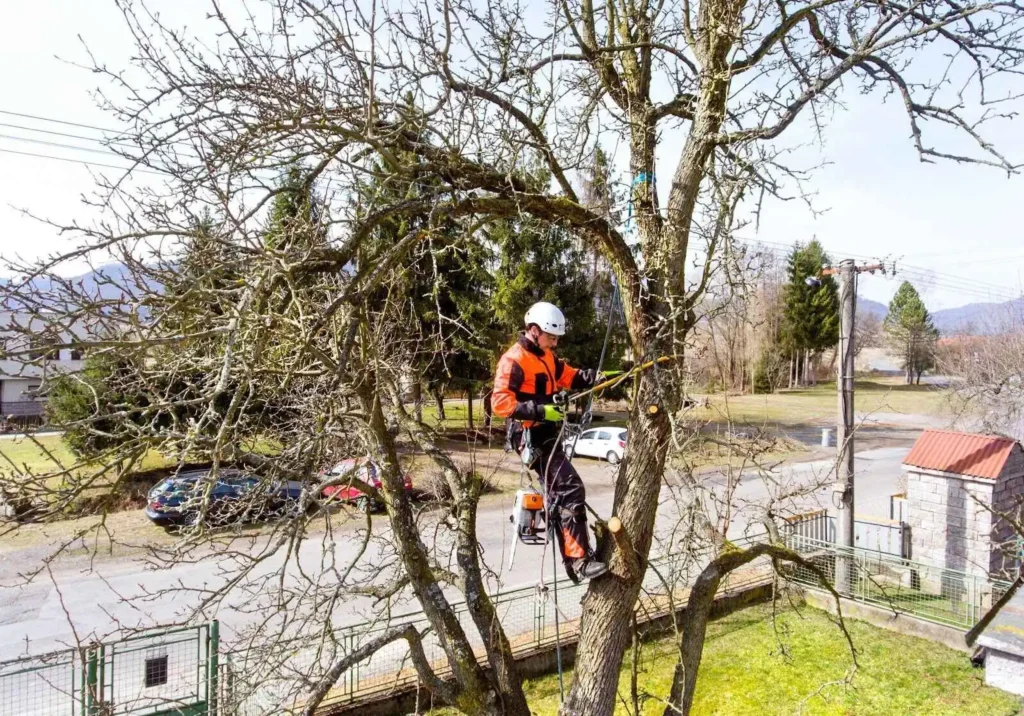
Misconceptions about trimming maple trees abound, often leaving homeowners unsure of the best practices for maintaining their prized yard additions. Contrary to popular belief, trimming maple trees isn’t just about aesthetics—it’s a crucial step in ensuring their health and longevity. Many assume that trees can thrive without regular maintenance or that trimming harms their growth. In reality, proper trimming promotes robust growth and reduces the risk of disease and structural damage. In Ontario, particularly in areas like Etobicoke, maple trees not only enhance the visual appeal of residential landscapes but also contribute significantly to environmental health. Beyond their beauty, trees offer invaluable benefits to homeowners, especially seniors. A well-maintained yard with maple trees and vibrant garden flowers can improve air quality, reduce stress, and even lower energy bills by providing natural shade and insulation. Moreover, for seniors, spending time in a serene outdoor environment can enhance overall well-being. The presence of trees encourages outdoor relaxation and provides a perfect setting for social gatherings with family and loved ones. Investing in maple trees and maintaining a healthy lawn is undoubtedly a worthwhile endeavor, but it requires attention to detail. Regular trimming and vigilant pest management are essential to enhance their growth. And neglecting signs of pests or disease can cause harm to occupants. To ensure optimal tree health and yard aesthetics, consulting a professional home management company like Custodia in Ontario is recommended. Our expertise in comprehensive yard and lawn maintenance, including expert maple tree trimming and hedge maintenance services in Etobicoke and beyond, ensures your outdoor spaces thrive year-round. In this article, we’ll delve into the benefits of trimming maple trees and provide expert tips on maintaining a pristine yard with Custodia’s professional services across Ontario, Canada. Let’s explore how proper tree care can elevate your outdoor living experience. Importance of Tree Trimming – Trimming Maple Trees in Etobicoke, Ontario Tree trimming is vital for maintaining the health and beauty of maple trees, especially in Etobicoke, Ontario. Proper trimming ensures that trees grow strong and healthy, which enhances the overall landscape of your yard. Maple trees, known for their stunning foliage and robust structure, require regular maintenance to thrive. Without proper care, these trees can become overgrown, leading to potential hazards and decreased vitality. In Etobicoke, where seasonal changes are pronounced, timely tree trimming helps prepare trees for varying weather conditions. Trimming removes dead or diseased branches, promoting new growth and preventing the spread of disease. Additionally, well-trimmed trees are less likely to be damaged by strong winds or heavy snow. This not only preserves the tree’s health but also safeguards your property from potential damage caused by falling branches. Do We Offer Tree Trimming Services Outside Etobicoke? Yes, we do! Click here to check the areas we serve across Ontario. Our experts are available and eager to provide free professional consultation and quotes at no cost. Contact us today at 1-833-410-4357 or book online to discover how we can enhance your property with expert tree trimming services tailored to your needs. Speaking of hazards, what are the potential hazards of overgrown maple trees? Potential Hazards of Overgrown Maple Trees 1. Structural Damage Overgrown branches can pose a significant risk to nearby structures. Heavy branches can become excessively heavy and break, potentially damaging roofs, windows, and siding. Branches growing too close to homes can scratch and damage walls and roofs, leading to the costly removal of trees or branches. 2. Safety Risks to People Overgrown maple trees can endanger people, particularly during storms or high winds. Weak or overgrown branches are more likely to break and fall, posing a danger to anyone underneath. Additionally, overgrown trees can block visibility on driveways and walkways, increasing the risk of accidents. 3. Electrical Hazards Maple trees growing near power lines can create serious electrical hazards. Branches coming into contact with power lines can cause outages, affecting entire neighborhoods. Moreover, electrical sparks from branches touching power lines can ignite fires, endangering both property and lives. 4. Increased Pest and Disease Risk Overgrown trees are more susceptible to pests and diseases, which can spread rapidly. Dense foliage provides an ideal environment for pests like aphids, borers, and caterpillars, which can damage the tree and surrounding plants. Overgrown trees with poor air circulation are more prone to fungal infections and other diseases, potentially killing the tree and spreading to others. 5. Reduced Tree Health and Lifespan Neglecting to trim maple trees can compromise their health and longevity. Overgrown branches can compete for nutrients, leading to stunted growth and weaker trees. The weight of excessive branches can cause splits or cracks in the trunk, weakening the tree’s structure and potentially leading to its premature death. 6. Property Value Decline Neglected maple trees can decrease the aesthetic appeal and value of your property. Overgrown trees can make a yard look unkempt and neglected, deterring potential buyers. Potential buyers may see overgrown trees as a future expense for necessary trimming and maintenance, which can lower property appeal. 5 Top Benefits of Timely Trimming for Maple Trees 1. Promotes Healthier Growth Timely trimming of maple trees removes dead or diseased branches, allowing new, healthy growth. It improves air circulation, reducing fungal infections. This helps the tree focus its energy on producing strong, vibrant foliage and maintaining overall health. 2. Enhances Safety Regular trimming prevents branches from becoming heavy and breaking, reducing the risk of injury or property damage. It also keeps branches away from power lines, preventing electrical hazards. Maintaining your trees ensures a safer environment for your family and neighbors. 3. Improves Aesthetic Appeal Trimming helps shape maple trees, giving them a balanced and attractive appearance. Well-maintained trees enhance the beauty of your yard, increasing property value and curb appeal. A neat yard reflects your commitment to proper care and maintenance. 4. Encourages Fruit and Flower Production Trimming allows more sunlight to reach the inner parts of the tree, stimulating the growth of flowers and seeds. Healthier trees with better sunlight exposure produce vibrant foliage and, in the…
Read more

Thrill seeker Caroline Paul wants you to keep your foot on the gas and follow her roadmap for aging well. Adventuring outside is a glorious health booster sure to greatly improve our lives and wellbeing well into our golden years. The 60-year-old adventurer is into surfing, mountain biking and piloting experimental gyrocopters (see her fly on her Instagram) but you don’t have to skydive or bungee jump to soar to better health. It turns out, birdwatching or walking in a park offers all the benefits of adventure and can positively affect a person’s spirit, body, brain, and heart. Caroline is the author of Tough Broad: From Boogie Boarding to Wing Walking – How Outdoor Adventure Improves Our Lives as We Age, and the tough broads she writes about jump off cliffs, out of planes, and swim, birdwatch, bike, scuba dive and more. They are “super fun, kind of badass women” playing outdoors well into their 70s and 80s and beyond. There’s 80-year-old scuba diver Louise Wholey, 74-year-old BMX racer Miss Kittle, 71-year-old wing walker Cynthia Hicks, and 54-year-old base jumper Shawn Brokemond. Feel joy, awe and vitality Caroline admits to being utterly “gobsmacked” by the outsized joy and vitality of everyone she interviewed, many of whom had no outdoor experience before finding the adventure in later life that changed them so profoundly, and which they now love and shared with her. Caroline wants every woman to feel that joy, to be inspired to adventure, not shrink from it. Society tells aging women to retreat and wither away but the secret to a good life is to venture out in nature, set goals and try something new. “The biggest misconception about aging is that it sucks. The messaging to women is especially disheartening – the culture, the media, and our own deeply lodged beliefs insist that our future will be a white-knuckle ride through breaking bones, cognitive decline, and irrelevance. Supposedly, we’re boring!” We’re led to believe that it’s dangerous for women to engage at a later age in the uncertainty and physical risk of an adventure. Nonsense! “It’s actually a really powerful time, and perfect for exploration and exhilaration,” she says. “Being brave and curious and energetic aren’t just reserved for 20- or 30-year olds. We’ve assigned them those attributes but they belong to all of us.” Negative views impact aging Get rid of that limiting mindset because we are what we think. Research shows that the way we look at our own aging predicts how well we will age. “So if we have a negative view, seeing ourselves as unattractive, frail, forgetful and insignificant, then we are more likely to suffer cardiac events early and experience cognitive decline sooner.” More important, the opposite is true: if we believe that aging is a time of vitality and happiness and connection, we are significantly healthier physically and cognitively, and we live on average seven years longer, adds Caroline. So just how to believe in a dazzling future in the face of such toxic messaging about aging? Turns out outdoor adventuring is not just fun and healthy, it’s a direct rebuke to all that toxic messaging, says Caroline, who combines scientific research, cultural studies, medicine, psychology, and memoir in her book, sharing women’s narratives alongside her own incredible experiences. Learn something new now Caroline suggests bringing a friend along, and also don’t get stuck on somebody else’s concept of an adventurous activity. Adventure is defined by you. At one time she had a very high-octane definition of adventure – she regularly paraglided off cliffs, rafted down unexplored rivers and bike-packed through foreign countries. “But through the writing of Tough Broad, I realized that adventure doesn’t have to feature high risk and intense fear!” Now for Caroline, it’s about feeling excitement, exploration and physical vitality, maybe pushing comfort zones, sometimes experiencing awe, and often learning something new. Fortunately, these traits can be triggered by the mere act of walking outside, swimming in a lake, or birdwatching. And it doesn’t have to cost a lot: A pair of sneakers allows you to train for a 5K run or amble on a day hike. Outdoor equipment can be had on the cheap these days by perusing second-hand internet sites. Read more about Boost your brain health with 5 exercises. Better than medication “Maybe downhill skiing is still expensive, but snowshoeing is not. Sailing a boat costs, but a used sea kayak or stand-up paddle board is a one-time expense, and then all the lakes are open to you for free,” she says. Research has established that the crucial foundations for a fulfilling aging journey are community, novelty, health, purpose and, finally, a positive mindset about our own aging. “An outdoor activity offers this to all of us organically in one fell swoop, in ways that, say, joining a book club or going to the gym do not.” Need more convincing? “It’s worth pointing out that outdoor activities are often cheaper than pharmaceuticals, are better for you, more effective and have less side effects.” Don’t wait – get gutsy and find your inner tough broad. Stepping out of your comfort zone will feel amazing. Your body, mind and spirit will fly with awe and good health.

There is no magic pill for dementia but adopting good lifestyle habits will provide a wealth of health for your brain and body, says Dr. Anthony Levinson, leading dementia researcher in Canada. Exploring various ‘ways to keep your brain sharp’ through these habits is essential for maintaining cognitive health.” We’ve all had an occasional memory lapse – you can’t find your keys or where you parked your car at the mall. Blanked out on someone’s name or a street in your neighbourhood. Occasional forgetfulness can happen at any age so relax – it’s not a warning of mental deterioration, or the onset of Alzheimer’s. We are not all destined for dementia! “While age is one of the strongest risk factors for dementia, dementia is not a normal part of aging, and most people will not develop dementia as they age,” reports Dr. Anthony Levinson, leading dementia researcher and professor of Psychiatry & Behavioural Neurosciences at McMaster University. Read more about: How To Prepare An Aging Brain To Re-enter The Workforce That’s great news and there are many manageable things you can do to keep your brain healthy and substantially reduce your risk of dementia – and remain independent for as long as possible. With almost 100 per cent of older Canadians surveyed planning to live independently in their own homes, it’s prudent to make healthy lifestyle choices that promote staying sharp, active and living safely. Adopt These Healthy Lifestyle Habits Today “Try to stay physically, mentally, and socially active; follow a healthy diet, don’t smoke and limit alcohol consumption; prevent head injuries and hearing loss; and look after your blood vessel health by managing high blood pressure and diabetes,” advises Dr. Levinson, co-leader of the McMaster Optimal Aging Portal, a trustworthy, evidence-based source of healthy aging information. It’s never too early or too late to get started: “The more healthy lifestyle behaviours you can do, the better; and what’s good for your brain is also good for your body!” Dr. Levinson recommends picking activities that you enjoy that are also good for your brain; if you choose things you enjoy doing, you’ll be more likely to stick with them. Think of your brain like a muscle of sorts – you want to challenge it, like you do with strength training your biceps or quads to maintain or grow muscle. “Conversely, social isolation and hearing loss may be associated with atrophy, or brain shrinkage. Hence the similarities to the ‘use it or lose it’ exercise/muscle training advice,” he adds. Now Hear This: Get Your Hearing Tested Don’t let your hearing loss go untreated. “There is a 90% increased chance of developing dementia if you have hearing loss compared to someone without hearing loss.” Adults with untreated hearing loss are at higher risk for social isolation and depression, less cognitive activity and head injuries through falls – other risk factors for dementia. Hearing aids can greatly help diminish cognitive decline, so too learning a new skill. Change helps build brain resiliency. Learn a language, a new game, a new hobby or learn to play an instrument. Sign up for cooking classes and feast on healthy plant-based recipes and elements of the Mediterranean diet. Take up an entirely new sport or fitness routine. Get Up And Move To Build Healthy Brain And Body What’s good for the heart is good for the brain. Instead of sitting, nourish the brain with moderate movement throughout the day. Take the stairs rather than the elevator. Ideally, aim for 150 minutes of moderate to vigorous activity weekly, along with strength-building and balance exercises, and seven to nine hours of sleep to stay sharp. Healthy habits can add years to life and life to years – and to your brain. Focus on healthspan versus lifespan. “Lifespan is the total number of years we live from birth until death. Healthspan is the number of years someone is healthy and without chronic or debilitating disease. “There is often a focus on longevity: living as long a life as possible or to a certain age – like 100. Whereas I think what many people are probably hoping for is living in good health, not just being alive,” says Dr. Levinson. Optimal aging requires getting smart about your cognitive, physical, psychological and social wellbeing. A positive lifestyle can make all the difference in how your brain operates today, tomorrow and years down the road. Bolster your brain health and live longer and better.
Nourishing your wellbeing is important. Our food choices have a huge impact on our bodies, and become even more important as we age. Eating well can enhance your quality of life, fuel vitality and longevity, and help you maintain your independence and connections. It boosts your immune system and can lower the risk of diabetes, hypertension, heart disease, and other chronic diseases. “Spring is the perfect time to commit to making more informed food choices and developing great habits,” advises chef Jo Lusted, author of the cookbook Dish Do-Over – Family Favourites Reinvented. “Focus on including more nutrient-dense foods, being mindful of your body’s needs, and doing the best you can within your budget and time constraints.” Adapting and changing our diets can make a big difference in our health, how we feel and perform. “I find it’s often overlooked that a well-balanced diet is crucial for emotional well-being and cognitive ability as well,” says Chef Jo. “It’s essential as we age to make the best choices possible, and consult with healthcare professionals to ensure that our unique nutritional needs are being met. Read more about: Food For Good Mood Make meals easy and balanced Enjoy a variety of foods from each food group and get enough lean protein to maintain muscle mass. You want to limit too much sodium, sugar, saturated fats and complex carbs like white flour, refined sugar and white rice. Choose good carbs like beans, and bright-coloured fruits and veggies. Boost bone health with calcium-rich sources like diary products, along with tofu, fortified orange juice, broccoli, almonds and kale. Get important nutrients like potassium, vitamin D, dietary fibre and vitamin B12. Be sure to stay hydrated – drink water often. To make healthy eating an easier task for seniors, Chef Jo recommends simplifying meal preparation: That includes batch cooking, using pre-cut vegetables, frozen fruit and vegetables, pre-washed greens, and employing tools like food processors and an instant pot to make meal prep less labour intensive. Think about smart swaps. “Go for whole grains instead of refined white bread and rice, Greek yogurt instead of sour cream, and honey for white sugar.” Enjoy shared meals: Batch cook and swap with friends; invite friends or family over, it doesn’t have to be a special occasion! “Sharing meals makes mealtime more enjoyable and feeds social connections, and encourages more balanced eating habits and nutritional diversity.” How to eat nutritiously on a budget With skyrocketing food prices, eating a well-balanced diet can take a big chunk out of fixed incomes. Chef Jo offers up these tips for those on a budget: A healthy Mac and Cheese makeover Here’s a taste from Chef Jo’s Dish Do-Over – Family Favourites Reinvented with ingredients that are affordable and widely available in most grocery stores. “The recipes are designed to be easy, lower in sugar/sodium and fat, with reasonable portion sizes, which would fit very well into a senior’s meal plan.” Macaroni N’ Cheese Quite possibly the most perfect food on the planet! “The original uses full-fat cheese, cream and white pasta; the whole dish is pretty much fat and carbs. My version uses creamy sweet potato to thicken the sauce and add nutrients and flavour, non-fat evaporated milk and brown rice pasta.” Serves 8: Ingredients 2 ½ cups sweet potato, peeled and chopped (one medium) 3 tbsp olive oil 1 medium yellow onion, finely diced 2 cloves garlic, minced ¼ cup brown rice or whole wheat flour 2 tsp mustard powder 1 370 mL can non-fat evaporated milk 1 cup low-sodium chicken or vegetable stock 2 cups grated low-fat old cheddar cheese ¾ cup fresh grated parmesan cheese, divided ¼ tsp ground nutmeg Dash hot sauce Sea salt and freshly ground black pepper to taste 4 cups brown rice or whole wheat macaroni (454 g pkg) 1 cup Oikos non-fat Greek yogurt 1 cup gluten-free panko breadcrumbs or fresh whole wheat breadcrumbs 1 tbsp chopped flat-leaf parsley Preheat oven to 375F. Place sweet potato into a steamer basket over a saucepan of boiling water. Steam potato until fork tender, about 15 minutes. Mash until smooth and set aside. Heat oil over medium heat in a medium saucepan. Add onion and garlic and cook, stirring frequently until onions are softened and translucent, about 4 minutes. Add flour and cook, stirring constantly, for about 1 minute. Stir in mustard powder and sweet potato. Whisk in milk and chicken stock until smooth, and bring to a gentle simmer and cook, stirring frequently until thickened, about 5 minutes. Turn off heat, gradually stir in cheddar and ½ cup parmesan cheese until smooth. Season with nutmeg, hot sauce, salt and pepper. Whisk in Greek yogurt until mixture is smooth. Meanwhile, bring a large pot of salted water to a boil and cook pasta according to package instructions for al dente. Drain, reserving 1/3 cup pasta cooking water. Return pasta to pot and stir in sauce, and reserved pasta cooking water as needed to loosen sauce. Season with salt and pepper to taste. Transfer to a 9×13-inch baking pan misted with cooking spray. In a small bowl combine panko, parsley and remaining parmesan cheese. Sprinkle mixture over pasta and mist with cooking spray. Bake for about 30 minutes until sauce is bubbling and topping is golden brown and crisp.
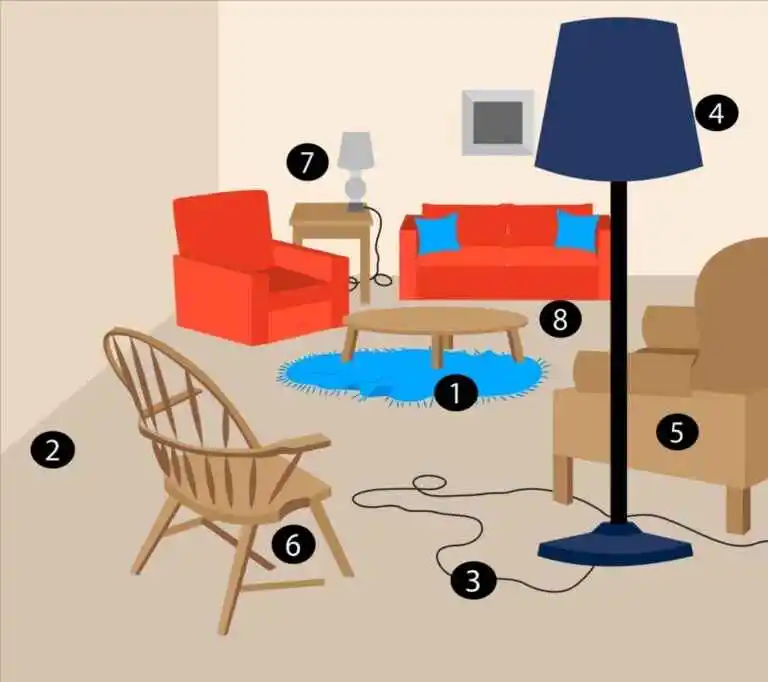
Common Home Modifications that Reduce the Risk of Falls Did you know that the most common reason for hospitalizations of seniors in Canada is a fall around the house? To help you with practical advice, this article will provide essential tips to prevent falls around your home. It covers fall prevention education, including knowledge surrounding home modifications needed to keep seniors safe in their homes. This article will cover some of the most common risk factors around the home and the modifications that can be made to make them safer. We’ll also go through your home and ask specific questions about the home’s safety. Entryway residential ramps As we age, simply getting into the home becomes much harder than it used to be. There may be too many steps, steep steps, or steps without a handrail. Sometimes as our mobility changes, we might require the assistance of a scooter or wheelchair, making taking the stairs up to your home very difficult. There are two main different types of ramps: residential modular ramps and custom ramps. No matter what kind, ramps always have a non-skid surface and heavy-duty handrails to protect you. A modular ramp comes in pieces and is assembled on-site. These come in many different sizes, and you’re sure to find one to fit your home. (photo) A custom ramp is built with wood or other materials to match the customer’s home and their exact and unique needs. (photo) Simple bathroom modifications to reduce fall risk The next part of the home we will look at is the bathroom. Falls in the bathroom are common for people of any age. The slick tile, hot water, and steam inside a bathroom can make for a dangerous combination. Unfortunately, as we age, a simple slip can be much harder on our bodies than it used to be. We must do everything we can in the bathroom to avoid this happening. Fall risk reduction In the shower and bath with a zero-step walk-in shower First, let’s look at bathing. Modifications can be as simple as purchasing a shower stool so we can relax and not have to use as much lower body strength, grab bars to help us move around the shower, as well as stand and sit from the shower stool, and a handheld shower head to bring the water to us. Something else to consider for the shower is a zero-step walk-in shower. This option can get pricier as it usually requires significant modification. However, removing the need to step over a tall ledge or bath to get into the shower can greatly help many people. (photos) Consider installing a bath bench if your shower is attached to a bathtub and you cannot change that. This particular bench is installed over the top of the tub’s edge. Using grab bars to get on and off of it, you can now sit down without making any modifications to your shower other than a handheld shower head. (photo) Toilet-side grab bars Another place in the bathroom that may need modification is around the toilet. Sometimes our toilets are very low, and it can be challenging to rise and sit down from them. So, a beneficial fix can be installing grab bars around the toilet. It’s essential that there are bars on the sides of the toilet, however, so if there is no wall or counter space to the side of your toilet, you will need to install a vertical grab bar that mounts to the wall and juts out beside your toilet. (photo) Of course, you can also look into installing a taller toilet or a seat riser, but grab bars are the most effective. Grab bars make a huge difference in a slippery environment like the bathroom. Use non-slip/non-skid strips on slippery floors. Another helpful modification in slippery areas is non-slip/non-skid strips. Older homes and older bathtubs usually don’t come with non-slip areas built in. It’s a straightforward fix. You can purchase non-slip strips at any home improvement store. Simply apply them in the bathtub or slippery areas, but check them regularly for any wear and tear. Lifted strips can create a tripping hazard. (photo) While you’re at it, consider buying some larger non-skid strips for the outdoor steps or uncarpeted stairs. These surfaces can quickly become very slick, which will solve that problem. Use lever door handles to make it easier to open doors. Many homes have rounded doorknobs. While this may have been no problem for you in the past, it can be tough to grasp and turn a rounded knob if issues like arthritis have arisen. It’s significantly harder to grasp a door knob if you’re coming from the bathroom or kitchen and your hands are slippery. Not only is it frustrating, but it could be dangerous if there is an emergency. Luckily, a straightforward solution to this is to install lever door handles. You can either purchase a lever cover that goes over an existing knob or purchase a lever door handle and have it installed. Now you simply just have to press down with your hand, fist, or fingers to open the door. (photo) Reduce fall risk in the kitchen As we become less flexible, reaching things in our cupboards can get difficult, whether up high or down low. Two beneficial tools that can help with this are a reacher/grabber and a step stool. Reacher/grabbers are sold at most pharmacies or medical equipment stores and come in handy for taking small objects off of high shelves or picking up small objects off the floor. They are not recommended for picking up heavy objects. (photo) Step stools are often not recommended for older adults, but sometimes they are essential to utilize the spaces around your home. If a step stool is needed, it is essential that the stool has four solid legs, a handrail to hold onto for stability, a non-skid surface on the feet of the stool, and a non-skid surface where you place your…
Read more

By Joanne Richard. Entrepreneurial Spirit Soaring In Their 70s – Spring is in sight, and with it comes new energy and opportunities, possibly even a different career path and purpose. While some of us are happy to quietly retire and leave the grind behind, other seniors are finding purpose in launching brand new careers. Studies show that what contributes to happiness midlife and beyond is essentially not the size of your bank account, but finding new challenges and opportunities to help fill your emotional bank account. March is a great month for renewal, recalibration, and joyful celebration, including the widely-feted International Women’s Day. So let’s celebrate entrepreneurial wonderwomen who are regenerating and blazing online business trails in their 70s! Forget retirement – Joan Cohen is all about rewiring. The 73-year-old launched her own jewelry company, Ever & Ivy, during the pandemic and is busy building her shiny new brand. Cohen had a series of careers prior to jewelry design, including jobs in the photography and advertising industries, as well as owning a furniture and interior design shop which she sold 20 years ago to spend more time with her family. Throughout her journey, she consistently exhibited an Entrepreneurial Spirit, exploring various avenues and seizing opportunities along the way. Making jewelry was just a hobby until she began to learn goldsmithing – she studied at Fleming College with a goldsmith who taught her the basics of creating jewelry out of sterling silver and gold. She started out by selling her handmade designs at a few specialty boutiques and the odd gallery in Canada, and more recently, scaled to increase volume for her online Ever & Ivy. Described as classically-inspired, architecturally-styled personal adornment, pieces are generally oversized but not in the extreme, she says. “Research tells us that what we wear impacts our brain and can influence mood, emotion, and performance – I offer designs that speak volumes about a person’s personality without ever saying a word.” With her entrepreneurial spirit literally paved in gold and silver, Cohen’s career speaks to the immense benefits of being vital and connected. “I have been incredibly excited to wake up and have this challenge ahead of me every day. My husband and almost all of my contemporaries are retired or winding down their careers, so at times I feel at cross purposes with some. But my husband has been incredibly supportive, which is a huge help in keeping me on track.” Her advice to get on the entrepreneurial track? Don’t let the naysayers get you down. Believe in yourself and take advantage of all of your life experiences to provide creative and practical stimulation. “An extensive study in the U.S. found that the most productive age in human life is between 60-70 years of age. The second most productive stage of the human being is from 70-80 years of age, and the third is from 50-60 years of age. The average age of the Nobel Prize winner is 62 years. Don’t waste the most productive years of your life.” Although Cohen doesn’t feel too old in the least to start a business, she says she feels the effect of ageism and the negative societal attitudes to her age. “For that reason, I have been reticent to become the face of Ever & Ivy. I don’t want to pigeonhole the brand’s appeal to only one age group as I believe it has broad appeal.” While Cohen has designs for all ages, Joan MacDonald, 75, is sweating out a new career with a focus on other seniors and motivating them to get fit and feel fabulous just like her. “You can’t turn back the clock, but you can wind it up again,” says McDonald, who has built a following of 1.6 million on Instagram @trainwithjoan, and has launched fully-guided Train with Joan workouts in the app store. The fitness influencer lost close to 70 pounds and gained a wealth of health and energy – and fans. Her amazing transformation and training tips are featured with relentless positivity while wearing trendy body-hugging outfits, which some people have weighed in on as being shameful. McDonald posted: “I think the way a society treats its older population says a lot about that culture. Older people are not shameful.We are not a burden.We do not have to stay hidden.It is my hope that more of us older people shed some light on how to age well, give some real hope to others that it is possible to keep your vitality as you get older, and that older people have something important to contribute to society.” MacDonald is energized by helping others age a better way. Just a few years ago, she got winded walking up a flight of stairs – she was overweight and on multiple meds. The doctor suggested more meds. “My daughter Michelle, who is a transformation coach, was visiting at the time and gave me an ultimatum: change my health with her help or continue to decline. You know what option I picked!” She adds, “I was slowly dying – now I’m living,” and obviously living her best life. “Since making my health a priority, I feel like I can truly live my life versus just endure it. I have the energy to complete everything I want to do, from keeping up with my daughter to travel,” says McDonald, who divides her time between Cobourg, ON, and Tulum, Mexico. She loves sharing her story: “I love seeing others live their best life. I think others would enjoy my story because if this grandma can change, anyone can!” Her advice: Instead of focusing on everything out of your control, focus on what you can do that is beneficial for your life. It may be going for a walk daily, getting eight hours of solid sleep per night, or tracking your nutrition. “Habits propel us in a new direction each day.” And age has nothing to do with your potential,” she adds. “Age is just a number! So much of success…
Read more