Now booking for Spring 2025 – Call 1-833-410-4357 or Book Online!

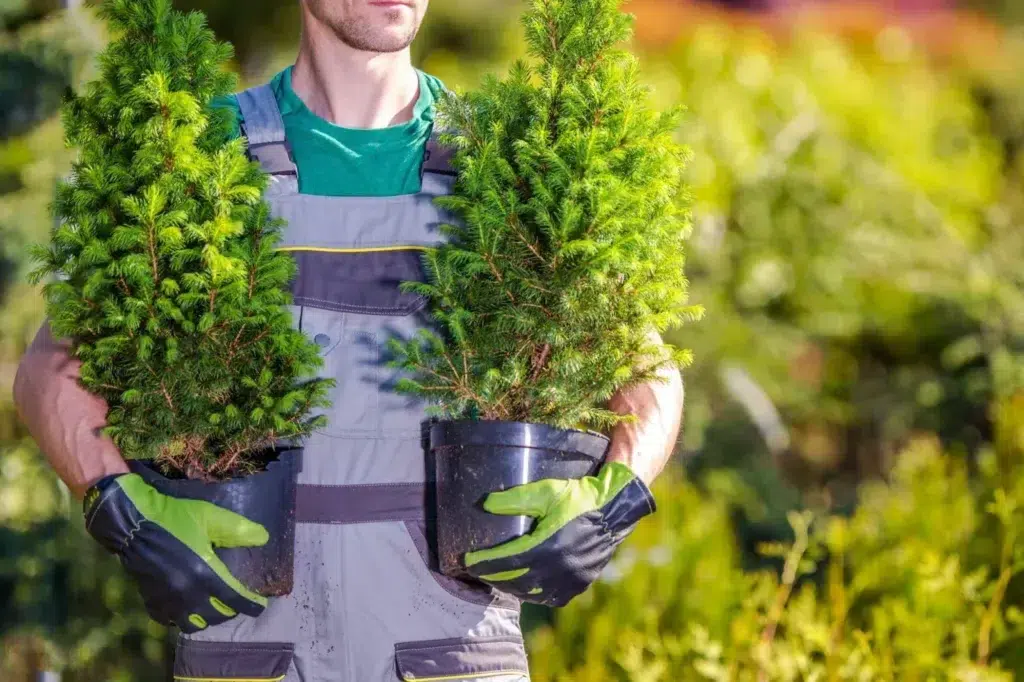
Fall in Ontario is a season of transformation. Starting around September and stretching through November (and occasionally into December), it’s a time when nature prepares for rest while offering some of its most breathtaking displays. Homeowners, landscapers, and gardening enthusiasts often see this as the perfect opportunity to plant trees. But why? The answer lies in the unique conditions fall brings. For many Ontario homeowners, the burning question is, “Can I plant trees in the fall and What are the best trees to plant in Ontario during fall?” The answer is a resounding YES. Fall offers one of the best windows for tree planting thanks to the cooler soil temperatures that encourage root growth. Unlike spring planting, trees planted in the fall get a head start, establishing strong roots before winter’s frost sets in. Not only does fall planting lead to healthier trees, but it’s also cost-effective. Nurseries often offer discounts during this season, and the variety of available species is unmatched. Whether you’re creating a relaxing outdoor retreat for your family, designing a pet-friendly yard, or planning a low-maintenance landscape for seniors, fall is the ideal time to plant. In this article, we’ll reveal the best trees to plant in Ontario during fall. These trees are perfect for creating a healthy, natural, and fun outdoor space, no matter your needs. We’ll also share tips to ensure your planting efforts are successful. Top 9 Trees to Plant in Ontario During Fall Fall is one of the best times to plant trees in Ontario. Cooler weather and consistent rainfall provide ideal conditions for young trees to establish strong roots before winter sets in. But it’s not just about planting any tree—choosing species suited to Ontario’s climate and soil conditions can make all the difference. Whether you’re looking to add shade or enhance the aesthetic appeal of your property, our list reveals the top 10 trees to consider planting during fall. 1. Sugar Maple The Sugar Maple is a beloved native tree in Ontario, known for its dazzling display of red, orange, and yellow foliage during autumn. Its adaptability to Ontario’s climate and its ability to provide ample shade make it a favorite among homeowners. The Sugar Maple thrives in well-drained soil and larger landscapes, offering both beauty and environmental benefits, as it supports local wildlife and helps with carbon sequestration. 2. Red Oak The Red Oak stands out for its vibrant crimson leaves and robust nature. As a durable hardwood, it grows well in various soil types, including the clay-heavy soils common in many parts of Ontario. Red Oaks are long-lived and adaptable, making them a smart investment for both urban and rural settings. Planting them in fall allows their roots to settle, giving them a head start before spring growth. 3. Serviceberry Serviceberry trees bring year-round interest to your landscape. In spring, they produce delicate white blossoms, while fall brings fiery foliage and edible berries that attract birds and other wildlife. This fast-growing tree is perfect for smaller yards or those looking to support pollinators. Serviceberry trees are low-maintenance and grow well in both urban and suburban environments, making them a versatile choice for many homeowners. 4. Eastern White Pine For those seeking year-round greenery, the Eastern White Pine is an excellent option. This evergreen tree is one of the most recognizable native species in Ontario and thrives in the province’s cold winters. It is low-maintenance and provides privacy and wind protection, making it a practical choice for both residential and larger rural properties. The Eastern White Pine’s soft, needle-like foliage adds a soothing touch to any landscape. 5. Birch Trees (Paper or Yellow Birch) Birch trees, with their striking bark and golden fall foliage, are an elegant addition to any yard. The Paper Birch, with its iconic white bark, is a popular choice, while the Yellow Birch offers a warm-toned alternative. Both species thrive in Ontario’s climate and are well-suited to smaller spaces. They bring a natural, rustic charm to gardens and are particularly effective when planted in clusters. 6. Amur Maple The Amur Maple is compact yet striking, making it ideal for urban and suburban gardens. Its vibrant red foliage during fall creates a stunning visual impact. This tree adapts well to Ontario’s varying soil types and is highly versatile, thriving in smaller spaces where larger trees might not fit. Its manageable size and low-maintenance nature make it a favorite for those looking to add beauty without significant upkeep. 7. Hackberry If you’re looking for a hardy tree that can withstand harsh weather, the Hackberry is a standout choice. This resilient species thrives in both drought-prone areas and Ontario’s colder regions. Hackberries grow well in urban and rural environments, making them ideal for diverse landscaping needs. Their tolerance for varying conditions and minimal maintenance requirements make them a go-to option for homeowners seeking longevity in their landscape. 8. Dogwood Trees Dogwood trees are a favorite for their year-round beauty and ease of care. In the fall, their leaves turn stunning shades of red or purple, while their colorful bark adds winter interest. Dogwoods are particularly well-suited to wetter soils, making them an excellent choice for properties with challenging drainage. Their versatility and low-maintenance requirements make them a reliable option for gardeners of all skill levels. 9. Norway Spruce The Norway Spruce is a robust evergreen that grows quickly and offers year-round coverage. Ideal for privacy, windbreaks, and adding structure to your yard, this tree thrives in Ontario’s colder climates. Its dense foliage provides excellent shelter for birds and small animals, contributing to local biodiversity. As a hardy species, the Norway Spruce is perfect for both residential and larger properties needing functional greenery. Factors to Consider When Choosing Trees For Fall Planting Here are the factors that matter most when selecting trees for fall planting. 1. Soil Type: Match The Tree to Your Soil Did you know that not all trees thrive in the same type of soil? Understanding your soil type—whether it’s sandy, clay-heavy, or loamy—will determine…
Read more

Most parents, especially in Ontario, Canada, aim to give their best to their families. They work tirelessly to cater to their children’s needs, even when life throws challenges their way. Parenting isn’t easy, and while no one is perfect, the effort to provide love, support, and care is undeniable. Yet, as parents grow older, some changes in their behavior can catch you off guard. You might notice them becoming easily irritated, cranky, or even lashing out over the smallest things. They can also seem stubborn or uncooperative, making it harder to manage day-to-day interactions. It’s important to understand that these behavioral shifts are often tied to aging. Studies suggest that physical discomfort, mental health issues, or even feelings of loneliness can influence these changes. But let’s leave the scientific details to researchers for now. The real question is: How do you deal with grumpy elderly parents? What strategies can you use to manage the frustration while maintaining a healthy relationship with them? We’ve done the research for you. With practical advice and expert-backed tips, you can learn how to navigate this tricky dynamic. By applying these techniques, you’ll not only make daily interactions easier but also foster a stronger bond with your parents. So, if you’re ready to turn those difficult moments into smoother, more meaningful ones, let’s dive in. Why Do Elderly Parents Become Grumpy? It’s easy to feel frustrated when your elderly parents seem perpetually grumpy or irritable. But their mood changes often stem from deeper reasons that go beyond surface-level frustrations. Aging brings physical, emotional, and social challenges that can weigh heavily on their well-being. By understanding these causes, you can approach their behavior with greater patience and empathy. Here are five (5) common reasons behind grumpiness in seniors and how to address them effectively. 1. Physical Discomfort or Chronic Pain As we age, our bodies endure wear and tear, leading to chronic conditions like arthritis, joint pain, or reduced mobility. Even seemingly minor issues, such as digestive discomfort or poor sleep, can affect mood significantly. Pain challenges emotional resilience, making it harder for seniors to remain calm and patient. Yet, many older adults may not openly communicate their discomfort due to pride or fear of becoming a burden. Tip: Encourage regular medical check-ups and consider pain management therapies such as physiotherapy or massage. Keep an eye out for subtle signs like wincing, avoiding movement, or restless behavior. Comfortable bedding, supportive footwear, or even assistive devices can make a big difference in their day-to-day comfort. 2. Feelings of Isolation or Loss of Independence Social isolation is a growing concern for many seniors, especially after retirement or losing close friends and family members. Reduced mobility and hearing impairments can also make participating in social activities harder, leaving them feeling lonely and disconnected. In addition, the loss of independence, such as needing help with driving or managing finances, can be deeply frustrating and lead to resentment. Understanding how to deal with old parents in these situations requires empathy, patience, and effective communication to address their emotional and practical needs. Tip: Help them rebuild their social circle by introducing local senior programs, hobby groups, or virtual hangouts. Encourage independence by involving them in decisions and providing tools like grocery delivery services or easy-to-use technology. Recognize their desire for autonomy, even in small daily tasks. 3. Cognitive Changes or Mental Health Struggles Cognitive challenges, such as memory lapses or confusion, can arise naturally with aging. However, in some cases, they may indicate early signs of dementia or Alzheimer’s. These changes can be scary and disorienting for seniors, leading to defensiveness, frustration, or irritability. Moreover, anxiety, depression, and unresolved trauma often go undiagnosed in older adults, further exacerbating mood swings. Tip: If you notice significant memory issues, difficulty focusing, or sudden behavior changes, consult a healthcare provider promptly. Early intervention can help slow the progression of cognitive decline. For mental health, create an environment of trust where they feel safe sharing their worries, and consider counseling or support groups if needed. 4. Unmet Emotional Needs Aging often brings a period of self-reflection, where seniors evaluate their life achievements and regrets. If they feel unappreciated, ignored, or disconnected from their loved ones, their emotional needs may manifest as irritability or sadness. Even small actions, like forgetting to ask about their day or dismissing their advice, can make them feel undervalued. Tip: Take time to validate their feelings. Show consistent appreciation by acknowledging their stories, expressing gratitude, and involving them in meaningful family discussions. Simple gestures like spending quality time, calling regularly, or even asking for their opinions can make them feel cherished. 5. Frustration With Health or Lifestyle Limitations Physical limitations, dietary restrictions, or the inability to pursue hobbies can make seniors feel like they’re losing their identity. Tasks that once seemed simple—like gardening, cooking, or even dressing—may now require help, which can be embarrassing or frustrating for them. These limitations often remind them of their aging process, triggering irritation or sadness. Tip: Look for ways to adapt their favorite activities to their current abilities. For example, raised garden beds or lightweight tools can make gardening easier, and assistive kitchen gadgets can bring joy back to cooking. (Click Here To Read How To Build A Raised Garden Bed With Concrete Blocks In Ontario, Canada.) 6 Proven Expert Tips For Coping With Grumpy Old Parents In Canada? Caring for grumpy elderly parents can be an emotionally taxing experience. However, it’s essential to approach their behavior with compassion and a clear understanding of the challenges they may be facing. Their irritability might not always be directed at you—it could stem from deeper emotional struggles, physical discomfort, or a loss of independence. Let’s take a closer look into how you can handle this with care and patience. 1. Empathy And Understanding Are Key Aging is not just about physical changes—it’s also a time of significant emotional and psychological transitions. Older parents might grapple with feelings of irrelevance, loneliness, or frustration over their decreasing abilities. Their…
Read more

Picking the perfect gift for elderly parents can be a real brain picker. We’ve all been there—caught up in a whirlwind of daily activities, chores, and commitments, only to realize at the last minute that we need a useful gift for old parents who have everything in our lives. The pressure begins to mount. The clock is ticking. And the challenge of finding the right gift for elders can feel like solving a complicated puzzle. It’s not surprising that many of us struggle to find useful gift ideas for seniors, especially when we’re dealing with the hustle and bustle of life in Ontario, where the demands of family, work, and everyday responsibilities tug us in all directions. What’s even more daunting is the thought of trying to pick something meaningful for those who’ve collected everything over the years. They’ve had their share of kitchen gadgets, luxury items, and unique experiences. So, How do You Find a Gift For Someone Who Has it All? It may seem like rocket science, but believe it or not, many thoughtful and useful gift ideas are right under your nose—waiting to be discovered. With the holiday season just around the corner, now is the perfect time to explore gift ideas that combine practicality, sentiment, and a little bit of fun. In this article, we’ve curated a list of thoughtful gifts for older parents that will not only surprise them but also improve their everyday lives. Whether you’re looking for gifts for elderly parents in Ontario or ideas for grandparents, these gifts will speak volumes without breaking the bank. (Read more about what seniors buy most in Canada.) So, grab a seat and get comfortable as we reveal some clever, useful, and heartfelt gift ideas for those who have everything. What Do Old People Like As Gifts? Finding a Useful gift For Old parents Who Have Everything doesn’t have to be an impossible task. By keeping their daily routines and comfort in mind, you can give them something that enhances their lifestyle. Here’s a quick rundown of practical and thoughtful gift categories that will resonate with them. 1. Gifts For Daily Comfort And Convenience When it comes to elderly parents, the perfect gift isn’t always the most luxurious one—it’s often the one that makes their everyday life easier and more comfortable. For those wondering what could be a Useful Gift For Old Parents Who Have Everything, it’s usually something that enhances their daily routines. Many elderly people in our lives face daily challenges, whether it’s dealing with the cold, managing aches and pains, or simply trying to keep their home clean with less effort. That’s why practical gifts for parents that focus on comfort, convenience, and ease can make a world of difference. These useful household gadgets not only improve quality of life but also show you truly care about their well-being. Here are some thoughtful and practical daily comfort gifts that will bring a sense of comfort, convenience, and independence to your elderly loved ones: As Ontario’s winters can be quite harsh, a heated mattress pad is an ideal gift to help your parents stay warm during cold nights. These pads provide adjustable warmth, ensuring they stay cozy throughout the night. This practical gift can make bedtime much more inviting, especially for those with stiff joints or arthritis. Plus, it’s a simple way to enhance their sleep quality and comfort. For elderly parents, safety is paramount—especially in the bathroom. Installing grab bars can make all the difference when it comes to preventing falls. Adding these simple modifications around the shower or toilet area can help your parents maintain their independence while reducing the risk of accidents. Bathroom modifications don’t have to be expensive but can significantly improve their safety and confidence. A weighted blanket is a great option for promoting better sleep and relaxation. The gentle, even pressure it provides has been shown to help reduce anxiety, improve sleep quality, and promote a sense of security. For elderly parents, a weighted blanket offers a calming and soothing effect, helping them unwind and feel more at ease. When it comes to comfort, ergonomic slippers are a must-have. Designed to support the arch and provide cushioning, these slippers offer relief to tired feet, making walking around the house more comfortable. They can also help with balance, reducing the risk of falls. A good pair of ergonomic slippers will ensure your parents’ feet feel supported all day long. A bath pillow might sound like a small luxury, but it’s the kind of thoughtful gift that transforms a regular bath into a spa-like experience. With soft, supportive cushioning, these pillows provide comfort and stability, ensuring that elderly parents can relax fully without straining their necks or backs. It’s a simple yet impactful addition to their self-care routine. One of the challenges many elderly people face is difficulty opening jars due to arthritis or weak hands. An automatic jar opener can be a game-changer. This practical tool takes the strain out of opening jars, making it much easier for your parents to access their favorite foods without asking for help. It’s a useful household gadget that provides a practical solution to a common problem. 2. Health And Wellness Gifts: Prioritizing Comfort And Relaxation When choosing the right wellness Useful Gifts For Old Parents, it’s important to think beyond traditional presents and focus on items that promote relaxation, relieve discomfort, and enhance their well-being. Health-focused gifts can make a significant difference in their daily lives, helping them manage age-related aches and improve their quality of life. Here are some great health-focused gifts that prioritize relaxation and well-being: A back and neck massager can be a game-changer for your elderly loved ones. Tension and pain in the neck and back are common as we age, and a portable massager provides soothing relief. These massagers help alleviate stiffness, improve blood circulation, and reduce pain, making them perfect for seniors who spend time sitting or have chronic pain. This relaxation gift will help them unwind and…
Read more

Shared family experiences become memories – of fun times, delicious meals, belonging and healthy belly laughs. A collection of memories are a wonderful thing to have, especially revisiting them as we age. It’s not the fancy car or the big house that warm our hearts when we look back. It’s times together, like at Christmas, a birthday or a trip, that provoke happy thoughts, spark interesting conversations and foster closeness. Memories matter – happy ones especially nourish our mental health. Family travel is a wonderful way to create those lasting memories. You walk, you gawk, you eat, you talk, you laugh – all things that contribute to a balanced healthy life and positive mindset. On holidays, there are no doctor appointments to get to, no dishes to do, no drop-offs. No leaves to rake, no snow to shovel or house repairs to take care of – you’ve got custodia.com to take care of all home maintenance needs when away and at home. No stress; just relax and recharge, and break from boring routines of everyday life. Travel Boosts Wellbeing Right now, winter travel plans are top of mind for many Canadians as the chilly temps descend and we dream of sunshine and sandy beaches. Anticipation of good times ahead is a bona fide mood booster, sure to incite our happy hormones, lifting our spirits, energy and well-being. Studies show that travel has benefits, especially for seniors: Taking a trip is an investment in your longevity. A new study published in the Journal of Travel Research suggests that positive travel experiences can help slow biological aging as travel offers a valuable opportunity to reduce stress, and nurture both physical and mental health. Participating in social activities helps maintain your wellbeing and independence as you age. Being socially isolated damages overall health so it’s important to seek out activities that are meaningful for you and benefit your mind, body and spirit. Take The Kids – And Grandkids Too While traveling with potentially less-mobility needs to be kept in mind, getting away encourages us to be more active and forget about physical capabilities. It’s easy for older adults to define themselves by their inabilities and disabilities, but a family holiday is the perfect opportunity to remember and celebrate how much you can do. Multigenerational vacations – complete with kids and grandparents – are the trend, far more than previous generations. According to one survey, 54% of the grandparents surveyed say they plan and organize multigenerational travel experiences, and half having taken a multigenerational trip in the past three years. And 57% of seniors travel to spend time with family and friends, according to an AARP survey. Seniors Exploring Solo No need to stay home if you don’t have family free to go or a travel buddy. Solo travel is growing – and seniors are on board. Actually, 84% of solo travelers are women of all ages. They want to explore new places on their own, meet people of similar interests, get some education and culture, and still have the comfort of their own room. My recent solo trip to Iceland via Play Airlines has made me feel bolder, better and more confident at age 65. Traveling minus my family was a first. With a focus on exploration, relaxation and cuisine, the island is the perfect destination to recharge batteries, escape tedious routines and experience new places, people, cultures and foods. And make great memories too. It provided rest, recuperation and rejuvenation. Close encounters with glaciers, waterfalls and nature definitely re-energized my mind, body and soul. There was an awesome hike on a 700-year-old glacier tongue and incredible close-ups of amazing waterfalls along the South Coast with Arctic Adventures. The thermal baths at Sky Lagoon soothed away stress for the ultimate in relaxation. An exhilarating day via super jeep for some Glacier Snowmobiling & Golden Circle Adventure was simply exhilarating. And dining was fine and simply divine: There was Monkeys with its awesome tasting menu; OTO which fuses Japanese and Italian cuisine; and Kol with its delicious fusion menu and innovative cocktails – all restaurants in downtown Reykjavik. Stay awhile Meanwhile, wandering from home can elicit “travel fever” – fraught with anxiety and worry, says cultural psychologist Dr. Andrew Stevenson. It’s a common travel companion likely because of nervous anticipation and experiencing unfamiliar surroundings and cultural differences. No worries, there are lots of more conservative travel options to experience new places, including cruise ships, luxury coaches, international hotels and backpacker hostels – all less adventurous and immersive but minus the risks, says Stevenson, whose blog The Psychology of Travel, appears on Psychology Today. He believes the best travel is about immersion and longer stays: “A two-week trip trumps weekend breaks, to reduce carbon emissions and help you unwind. There is also evidence that eudemonic travel (involving self-improvement, such as learning a language or cooking or yoga retreats) can be more beneficial long-term than hedonistic travel (thrill seeking).” Stevenson adds: “Always remember that leisure travel is a privilege that most of the world’s population does not have access to, and that the places we visit are also inhabited by hosts. Take the time to find out about the cultural diversity of the many beautiful places we can visit.”

Christmas is fast approaching, and the festive spirit is in the air. The streets of Ontario will soon glow with twinkling lights, front yards adorned with cheerful decorations, and skies lit up with fireworks. How do you make an elderly Christmas special? It’s important to think of ways to include your elderly loved ones in the holiday cheer, ensuring they feel valued and cherished during this joyful season. Families and friends are eagerly planning holiday meals, gift exchanges, and countless joyous moments. While the excitement builds, it’s essential to pause and remember an often-overlooked group during this season—the elderly in our lives. Many seniors may not have the energy or opportunities to participate in the holiday buzz. Physical limitations or living alone can make them feel left out, especially when they see others enjoying the festivities. Simple activities like decorating a tree, baking cookies, or even writing a Christmas card might feel daunting for them now. This can lead to feelings of sadness or isolation during a season meant to bring joy. At Custodia, we understand how these little things can affect their emotional well-being. The good news? You have the power to make their Christmas special and meaningful. With a bit of creativity and planning, you can ensure your elderly loved ones—be it parents, grandparents, or even a senior neighbor—feel included, cherished, and celebrated. 7 Tips And Ideas to Create a Special Christmas For Seniors Here are practical, heartfelt ways to bring the magic of Christmas into their lives: 1. Embrace Nostalgia: Rekindle Cherished Christmas Memories For many seniors, Christmas is more than just a holiday—it’s a time capsule of cherished memories from their past. Rekindling those memories can spark joy and create meaningful moments, making them feel valued and loved. Nostalgia is a powerful tool that connects the present to the past, and during the festive season, it can evoke a sense of belonging and happiness. To make their Christmas special, focus on creating an environment that feels familiar and comforting. Here are a few practical ways to embrace nostalgia and bring the magic of their past Christmases into the present: 1. Use Decorations That Tell a Story Dust off those old family ornaments or find vintage-inspired decorations at local stores. These pieces not only beautify the space but also serve as conversation starters, helping seniors reminisce about past Christmases spent with loved ones. Encourage them to share stories while crafting paper snowflakes or garlands like they did in their youth. The act of creating something together can be both therapeutic and joyful. Decorate with classic red and green colors or timeless patterns, such as plaid, that align with their fondest memories of Christmas. 2. Play Classic Holiday Tunes Music has a unique way of transporting us to another time. Play iconic holiday songs by Anne Murray, Michael Bublé, or Sarah McLachlan to evoke warm memories and spark conversations about their favorite Christmas moments. Create a playlist tailored to their preferences, ensuring they feel connected to the ambiance. 3. Recreate Their Favorite Holiday Recipes Nothing brings back memories like the taste and aroma of favorite Christmas dishes. Whether it’s Grandma’s famous apple pie or a special Christmas pudding, these recipes hold sentimental value. Spend time cooking together or surprise them with a homemade dish they loved from years past. The effort will show them how much they mean to you while creating new shared memories. Explore our senior support home management services to make the holidays more meaningful. 2. Decorating Together: Make The Season Bright Decorating for Christmas can be a joyful experience, but it’s even more meaningful when shared. Imagine sitting together with your loved ones, unboxing cherished ornaments that have graced your tree for decades. Each piece carries a memory—a story worth sharing. For seniors, this process can be incredibly uplifting, connecting them to the past while creating new memories. Handing over a treasured ornament for them to place on the tree can spark conversations about its history. Choose decorations that are lightweight and easy to handle so they can join in without feeling strained. Think back to the excitement of crafting as a child. You can recreate that joy by making paper snowflakes or cinnamon stick candle holders together. These activities are not only fun but also practical, as they allow seniors to participate without needing to stand for long periods. Play holiday music and share stories as you decorate. This isn’t just about the decorations themselves—it’s about creating a warm atmosphere where everyone feels connected. Decorating together isn’t a task; it’s an opportunity to spend quality time, share laughter, and build a festive space full of love and meaning. 3. Simple Activities That Bring Joy And Connection The beauty of the holiday season lies in the small moments of connection. It’s not about doing grand things; it’s about the little activities that make everyone feel included. For seniors, these moments can be incredibly fulfilling. Imagine cozying up with a blanket, sipping hot cocoa, and watching timeless films like It’s a Wonderful Life or Miracle on 34th Street. These movies evoke nostalgia and often prompt heartfelt discussions about the holidays. You don’t need expensive supplies to create meaningful crafts. Simple projects like making holiday cards or stringing together garlands from recycled materials can be therapeutic and enjoyable. Plus, the final results add a personal touch to holiday décor. Ask about their favorite Christmas memories or traditions. Sharing stories brings a sense of belonging and provides younger family members with a glimpse into their family’s history. These activities go beyond entertainment—they’re a chance to bond and create shared memories that everyone will treasure. 4. Thoughtful And Personalized Gift Ideas For Seniors When thinking about gifts for seniors, consider their practical needs and emotional well-being. A thoughtfully chosen gift can brighten their day and show that you truly care. How do you make an elderly Christmas special? By selecting meaningful gifts that cater to their needs and bring them joy, you can make this holiday season unforgettable…
Read more

Did you know that retirement, changes in living environments, and fear of becoming a burden are among the top causes of loneliness in seniors? While many dream of a peaceful retirement filled with joyful moments—like spending time with family, traveling, or achieving personal goals—life doesn’t always go as planned. Moments of isolation can creep in, especially when loved ones get caught up in their daily routines. This can leave seniors feeling left out or disconnected. In Ontario, Canada, loneliness among the elderly is a growing concern. Research reveals that up to 32% of people over the age of 55 report feeling lonely. Even more alarming, studies show that severe loneliness affects 2-16% of seniors, putting them at risk for serious health issues. These include cardiovascular disease, diabetes, dementia, depression, and even reduced life expectancy. This isn’t just about emotional well-being—loneliness directly impacts physical health and quality of life. At Custodia, we understand how to stop an elderly person from feeling lonely and its impact on their emotional well-being. Fortunately, there are simple, effective ways to help seniors combat loneliness. From fostering intergenerational connections to encouraging hobbies and utilizing technology, small changes can make a big difference. We’ve compiled a list of practical and proven tips to help you support the seniors in your life, ensuring they feel loved, connected, and valued. In this article, we’ll explore: Let’s dive in and discover how we can work together to create a happier, healthier future for our elderly loved ones! 7 Reasons Why Elderly People Feel Lonely in Canada? Loneliness is not just a fleeting feeling for many seniors—it can become a daily struggle. Understanding the root causes of senior loneliness is the first step toward creating meaningful solutions. Let’s explore the common reasons why aging often leads to feelings of isolation and disconnection. 1. Bereavement: Loss of a Spouse or Close Friends One of the most profound causes of senior loneliness is bereavement. Losing a spouse, lifelong friends, or social connections leaves an emotional void that can be hard to fill. After decades of shared routines, shared memories, and mutual support, adapting to life without a partner or close-knit circle can feel overwhelming. Bereavement often results in seniors withdrawing socially, as they struggle with the emotional pain of grief. Over time, this withdrawal can create a vicious cycle where loneliness grows, but reaching out feels harder than ever. The challenge is compounded by the fact that, as seniors age, the likelihood of losing more loved ones increases, leaving many feeling like their world is shrinking. 2. Limited Mobility or Health Issues Aging often comes with physical limitations, such as difficulty walking, poor vision, or chronic pain. These conditions can restrict movement and make leaving the house difficult. For example, arthritis can make driving uncomfortable, while hearing loss can discourage attending noisy gatherings. Without the ability to move freely, seniors may find it harder to attend social events, visit loved ones, or participate in community activities, leading to a gradual sense of isolation. The mental toll of being housebound or reliant on others for transportation can further deepen feelings of loneliness and dependency. 3. Lack of Regular Social Interaction Without consistent opportunities to connect with others, loneliness can creep in. Regular social interaction—whether it’s a daily chat with friends or joining a group activity—is essential for emotional health. Unfortunately, as seniors age, their chances to engage socially often decline. This decline might stem from shrinking social circles, reduced mobility, or the closure of community spaces that once fostered connection. Many seniors express missing the casual, day-to-day interactions they used to enjoy, like chatting with coworkers, neighbors, or local shopkeepers. These small exchanges often go unnoticed until they are no longer there, leaving a noticeable void. 4. Geographic Separation From Family In today’s fast-paced world, families are often spread across cities, states, or even countries. Seniors with adult children who live far away may experience fewer visits or face long gaps between family gatherings. Technology, like video calls, can help bridge this gap, but it’s not always a substitute for in-person interactions. Seniors may feel especially lonely during holidays, birthdays, or significant life events when physical distance prevents them from sharing special moments with loved ones. For those who rely on family for emotional support, this separation can be particularly challenging. Discover how our services can help seniors stay connected. 5. Retirement: Loss of Routine And Purpose Retirement is often viewed as a time to relax and enjoy life. Yet, for many seniors, stepping away from their careers creates a void. Work often provides more than just a paycheck; it offers structure, social connections, and a sense of accomplishment. Without the daily routine and purpose work provides, days can feel long and empty. The loss of colleagues and workplace social interaction further exacerbates the sense of isolation. For retirees who did not plan activities or hobbies to replace work, this transition can feel jarring and lead to loneliness. 6. Poor Physical Health Chronic illnesses, fatigue, or recovery from surgeries can make it harder for seniors to stay active. Poor physical health not only limits mobility but also impacts confidence, as seniors may worry about being seen as frail or dependent. For instance, those who once loved attending community events may avoid them due to fear of falling or needing assistance. Additionally, frequent medical appointments and health concerns can dominate a senior’s time, leaving little room for social interaction. This combination of physical and emotional barriers can create a sense of isolation that feels hard to overcome. 7. Fear of Being a Burden Many seniors hesitate to ask for help or reach out to loved ones because they fear becoming a burden. They may feel guilt over disrupting their family’s busy schedules or worry about being perceived as needy. Instead of seeking connection, they may choose to isolate themselves, even when they deeply crave interaction. This self-imposed isolation often stems from a desire to protect loved ones from additional responsibilities. Unfortunately, this fear can…
Read more
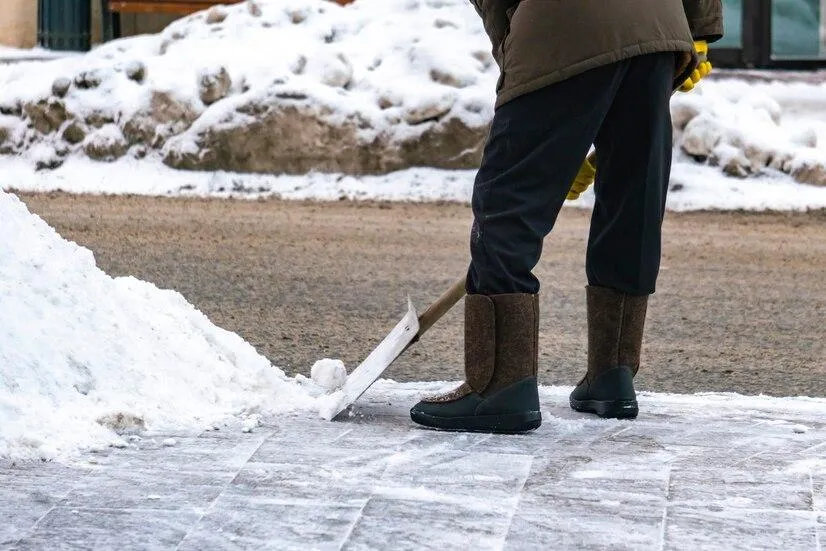
When we think of Canadian winters, ice and snow immediately come to mind. This is because Canada experiences extreme snowfall in winter, especially in January, which almost puts everyday tasks on hold. That is why Toronto city legally requires its residents to remove snow from their property within a specific time frame or else they will face penalties. However, there are two types of residents in the city, the tenants and the landlords. The question is who is responsible for complying with the law and removing snow regularly? To find the answers, let’s dive in. Legal Responsibilities For Snow Removal Just like other cities in Canada, Toronto also has specific snow removal laws and regulations for residents to follow. According to the Toronto Municipal Code, residents and businesses are legally required to remove snow and ice from their properties. From driveways to sidewalks and landings to ramps, each area of the property must be cleared within 12 to 24 hours after snowfall ends with 2 cm or less snow accumulation. This obligation ensures the property is safe for everyone to access, including pedestrians, family, friends, and visitors. By following the legal responsibilities, you will minimize weather-related hazards and the risk of any slips, falls, or accidents. When it comes to removing snow from sidewalks across Toronto, the law may vary from area to area. For instance, for most residential areas, the city provides snow removal services to ensure safety and accessibility. For this, the city has even initiated several municipalities to boost further the effort of clearing snow from sidewalks when there is at least 2 cm of snow on the ground. In fact, during major snowfall events, these municipalities deploy salting teams and plows to melt and remove accumulated snow as soon as possible. However, in older neighbourhoods, residents have to clear the snow off their properties themselves to comply with the public ordinance. Failure to comply with local laws can result in fines of up to $500 and legal liability for injuries that occur due to unclear pathways. Tenant vs. Landlord Responsibilities In Toronto, snow removal from the property depends on various factors, such as property types, municipal bylaws, written agreements, and lease agreements around property maintenance. While both tenant and landlord can share the responsibility or liability for an injury sustained due to unclear snow or ice, the responsibility of clearing snow typically falls on the landlord’s shoulders. The tenants are responsible for monitoring their property for snow buildup, which is usually listed in their lease agreement. Let’s discuss tenants’ and landlords’ responsibilities for clearing snow and what are the consequences of failure to do so: Tenant Responsibilities While the landlord is responsible for the entire property, in some cases, the lease may assign the role of removing snow from the property to tenants if they voluntarily agree. They may be responsible for clearing snow and ice for areas they explicitly use, including driveways, parking areas, and walkways. In other cases, they may also have to clear sidewalks themselves if the city does not provide snow removal services to that area. All the responsibilities must be outlined in the lease agreement, and tenants must sign it after carefully reading it. However, even in this case, the landlord is responsible for providing tenants with all the tools and equipment needed to shovel the ice or salt the surface to ensure compliance with municipal laws. Failure to comply with the law can lead to fines and legal liability if anyone suffers from injury or accident due to the non-removal of snow and ice from the property. Both landlord and tenants can share the responsibility if it is written in the lease agreement around property maintenance. Or the landlord may have to bear the loss entirely, depending on the agreement. Landlord Responsibilities The city of Toronto requires property owners to remove ice and snow from their property within 24 hours after a snowfall event ends. If they have not delegated the role of ice removal to tenants in the lease agreement, the responsibility defaults to property owners for clearing snow within a specified time frame. As for the sidewalks, the landlord must clear the snow within 12 hours if their area does not receive snow removal services from the city. For such areas, people usually hire professional snow removal services, like Custodia in Toronto, to ensure compliance with the law and avoid any penalties. This ensures the safety of pedestrians and anyone accessing the property, reducing the risks of falls and slips. Moreover, the city also clearly mentions if the tenant is concerned about snow removal from the property, they can reach out to landlords in writing for the removal of snow and ice. The landlords then have to take care of the request and get rid of snow from driveways, sidewalks, steps, ramps, and other areas where snow is accumulated. Again, not following the law will lead to fines of up to $500 that the landlord must pay on time. If anyone suffers from injury on their property, they will be legally liable for injury sustained. Also, the landlords may have to pay for the medical expenses of the person who suffered injuries if the lease agreement does not deem the tenant responsible for the snow removal. Practical Tips For Snow Removal Whether you are a tenant or a landlord, knowing the best and most practical tips for removing snow from the property will help you work fast and efficiently. With these practical tips, you will not have to put all your effort at once and will be able to maintain a safe, clear, and accessible property for everyone’s use. Here are a few practical tips to keep in mind: Prepare Your Property For The Next Snowfall Here is how you can prepare your property for the best snowfall to prevent snow accumulation and ice formation: Final Words In conclusion, landlords are primarily responsible for removing snow from the property within 24 hours by law. However, if tenants…
Read more
It’s snowy season in Ontario, and everyone is gearing up to enjoy the season and make snow angels. While the snow does look magical, it needs to be regularly removed before it forms into ice. Whether you own a house or live in a rental home, every property owner in Ontario is required to clear ice and snow from their property within 24 hours of a snowfall by law. This includes removing snow from sidewalks, driveways, parking spaces, ramps, and steps, etc. Failure to comply with the law may result in a fine. So, knowing how to remove snow from your house is the best way to prevent that from happening and stay in compliance with the public ordinance. In this article below, we have mentioned different tips and techniques for homeowners to apply when clearing their property of snow. While snow removal companies like Custodia are excellent at this job, you should learn a few methods yourself to have a snow-free property all the time. So, let’s dive in. Effective Snow Removal Techniques From Your House According to a report, Ontario gets around 51″ of snow cover on average every year, where January is the snowiest month of the year for most Canadians. While snow does look majestic and adds charm to the winter magic, accumulated snow can halt daily activities and sometimes result in severe accidents. Therefore, there are laws and regulations in place for removing snow around the house. To make sure you comply with these laws, here are a few effective snow removal techniques: Shoveling Shoveling is one of the most common, effective, and eco-friendly ways of removing snow and ice from any property. However, before you shovel the sideways, driveways, steps, ramps, and other areas around the house, the correct posture is necessary to prevent any injuries. When shovelling, make sure to keep your back straight, knees bent, and lift with your legs. Keeping your core muscles engaged to support your spine will minimize the strain on the lower back, avoiding any back pain later. Moreover, if you already have back pain problems, try to use only a lightweight and ergonomic shovel. Plus, shovel as early as possible while the snow is still fresh and before it becomes harder to remove. However, it is only sometimes the most efficient way of doing so. If the snow is a few feet high and you have a vast property to clear, look for other ways to clear snow. Also, for seniors, hiring professional snow removal services like Custodia is recommended, as they can handle snow piles in no time. Plus, their handyman services cater to a range of other home maintenance needs. Using an Energy-Efficient Snow Blower Well, shovelling can be time-consuming and a daunting task, especially if there is a heavy snowfall. In this case, snowblowing goes a long way. Traditionally, gas snow blowers are used mainly due to their powerful performance and ability to clear out heavy snow quickly and efficiently. However, better alternatives, such as battery-operated electric snow blowers, are becoming popular. They are more energy-efficient, low-maintenance, and reliable options than their traditional counterpart. Using an energy-efficient snowblower will not only blast snow off your property but also reduce carbon emissions into the air. Before using it, carefully inspect the blower to ensure it is clean and functional. Moreover, remember to wear safety gloves and boots when using the snow blower to clear the property. Operate the snow blower at a steady pace, as you want to keep the machine manageable. Lastly, blow the snow in the same direction so that you do not have to clear the same area repeatedly. Using a De-Icer Another effective technique for removing snow from around the house is using a de-icer. It is a chemical that is used to melt the ice or prevent it from forming by lowering the freezing point of the water. Removing snow and ice from around the house by using a de-icer starts right before snowfall. You need to apply it on surfaces such as sidewalks, roads, and parking spaces before a snow or ice event hits. Doing so will create a barrier between the surface and the incoming snow so that you can easily scrape it off later. Applying the de-icer will make it easier for you to remove the snow and ice using a shovel, which eventually reduces the risks of any injuries and accidents. This will not only save you a lot of time but also keep you and your family safe. However, make sure you are not overapplying the de-icer, as it can be damaging to the surface. Make sure to apply it within 48 hours before or after the storm so that it can prevent the snow from forming into ice. Using Hot Water The cheapest and easiest way of melting snow from the property is preparing a mixture of hot water with a few drops of dish soap and a little rubbing alcohol. The hot water will melt the snow, and the rubbing alcohol will speed up thr melting process, giving the desired results in no time. After preparing this DIY mixture, pour it over the ice on driveways, sidewalks, ramps, and anywhere where the snow has accumulated. However, this method requires you to be extra careful to prevent any injuries and hazards. Before pouring the mixture, wear waterproof and insulated boots to avoid any burns and accidents. But only if you have a small property with a small driveway can hot water be an effective way to melt and remove snow from the house quickly. This method will not work if you want to melt a significant amount of snow from a large property. Using Heated Snow Melting Pads If you are looking for another eco-friendly and safe method of getting rid of snow and ice from your property, heated snow melting pads are the best solution. The best thing about using melting pads is that they can be left outside for a long…
Read more
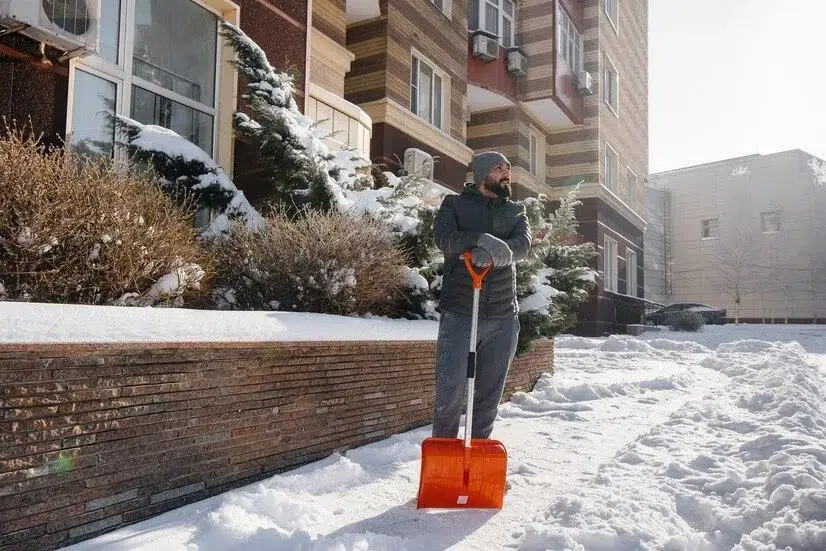
With Canadian winter in full swing, knowing your responsibilities as landlord, are responsible for snow removal in Ontario is essential to enjoy the season safely and comfortably. One of the significant struggles almost every resident faces is keeping their property clear of snow and ice. This is because Canada is a snowy country that gets over 144″ of snow every year, whereas January and February are the coldest months of the year. When the weather and snow are the biggest challenge, removing snow from your property is essential to keep your property clear and safe. For this, municipal by-laws have enacted regulations to ensure every property owner, including landlords, removes snow from their properties within a specific timeframe. Let’s learn in detail about Landlords Responsible for Snow Removal in Ontario. General Legal Overview of Snow Removal in Ontario In Ontario, Snow removal laws can be challenging to navigate. According to the law, property owners, including landlords, are required to remove snow from the property within 12- 24 hours of any snowfall, rain, or hail event. The areas include driveways, landings, parking spaces, and entrances. This obligation is essential to ensure the safety of both residents and the public. While many may think that it is only the landlord’s responsibility to clear snow from the property, the city offers snow removal services as well. Toronto has invested in many municipalities that take care of most residential areas by removing snow from sidewalks under the Occupiers’ Liability Act and Municipal Act. The primary purpose of offering these services is to ensure a safe and accessible property for everyone. However, municipal by-laws in cities like Toronto require property owners and landlords to clear their sidewalks and areas adjacent to their properties where the city does not offer snow removal services. The landlords must comply with these laws in order to avoid any hefty fines and penalties. In some cases, the landlord and tenant may share the responsibility of clearing snow off their property. According to the Residential Tenancies Act, the landlord has to get rid of snow from common areas, particularly in residential buildings. However, the responsibility may vary depending on the lease agreement signed between landlord and tenant. Overall, in Ontario, landlords are legally required to remove snow from their properties, and tenants are required to monitor snow accumulation so that it can be removed on time and stay in compliance with the laws. The purpose of these laws is to keep entryways, driveways, sidewalks, and parking spaces clear, safe, and accessible. Plus, with clear pathways, emergency responders will be able to reach properties without the risk of any accidents due to slippery roads. Landlord Responsibilities To better understand the landlord’s responsibility for snow removal in Ontario, here are the primary responsibilities: Proper Snow Disposal Methods For Landlords In Ontario, landlords are also responsible for handling snow disposal property by keeping both legal and environmental factors in view. So, after getting rid of snow from the property, landlords must adhere to municipal guidelines that clearly state not to dump collected snow on public roads and sidewalks. This is because the snow on the streets and sidewalks creates hazardous conditions for pedestrians, vehicles, or anyone using the road. Generally, the snow is collected and disposed of on the property itself, away from driveways, entryways, and walkways. After collecting it in one place away from traffic, make sure it melts and is disposed of in drains and gutters. To ensure efficient drainage, make sure to clean the gutters properly before the first snowfall. Best Practices For Landlords And Tenants To avoid potential disputes, clearly define who is responsible for clearing snow and ice from the property. Here are a few practices both landlords and tenants should follow: Suggestions For Clear Snow Removal Agreements in Lease Contracts Best Practices for Landlords to Ensure Efficient Snow Removal Best Practices For Tenants to Approach Issues Related to Snow Removal Conclusion Taking care of the property while adhering to local laws and regulations can be challenging. However, a proper understanding of the law and knowing what your responsibilities are as a landlord will help you prevent accidents and any legal penalties. From clearing snow off the property and disposing of it, property owners are legally required to comply with the regulations that are put in place to enusre safe, well-maintained, and accessible property for everyone. However, if tenants are seniors or need help carrying out regular snow-cleaning jobs, it is recommended that they hire professional snow-removal services. Services like Custodia are very well-versed in local regulations by the city and offer home improvement and property maintenance services as per law.
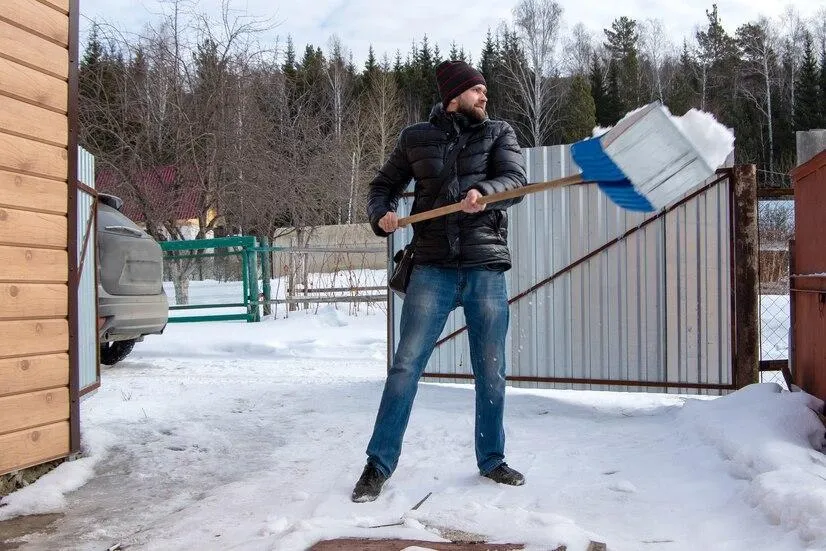
With serene winter comes heavy snow in Ontario, which can be both a blessing and a curse. When Canada experiences heavy snowfall during the winter, people quickly take their shovels and snowblowers out to clear snow off their property. However, many people ignore maintaining their property and end up with injuries, accidents, and damaged surfaces. To prevent that from happening, make sure to clear snow off your property, especially your driveways, to ensure an accessible and safe area for everyone. Let’s explore a few reasons why you should keep your driveway snow-free. Why You Should Clear Snow Off Your Driveway During the winter season, Ontario experiences significant snowfall. This is why clearing snow from your driveway is essential for your safety and property maintenance. If not removed regularly, snow and ice can layer up and create severe hazardous conditions such as slipping and falling on the driveway. Here are a few reasons why you should clear snow off your driveway: Prevent Ice Formation Clearing snow from the driveway after every snowfall is essential to prevent ice formation. This can be very dangerous for anyone walking or driving on the driveway. Regular removal of snow will stop the freeze-thaw cycle, which is basically the cycle of compacted snow turning into hard ice. When the ice hardens, it becomes extremely slippery and difficult to remove. You cannot shovel it off until it melts, which can take days on its own. To prevent that from happening, you should clear snow off your driveway so that thr area is more manageable. Enhance Safety Accumulated snow or ice creates a slipping hazard for everyone using that area. Clearing snow from the driveway will ensure that the surface is non-slippery, and people using it can walk on it without the risk of slipping or falling, especially elders and children. So, to ensure everyone’s safety, remember to shovel the snow right after the snowfall, as fresh snow is easier to shovel or blow off than hardened snow. Comply with Local Regulations One of the primary reasons to clear snow off your driveway is to stay in compliance with local laws and regulations. In Ontario, removing snow from the driveway is not only for safety but also a legal obligation that must be fulfilled. This is because property owners in Ontario must remove snow and ice from their property by law within only 12 to 24 hours of snowfall ends. If they fail to comply, they may have to pay a fine. The Municipal Act and Occupiers’ Liability Act hold property owners responsible for clearing snow from their driveways and sidewalks to ensure that the property premises remain safe for everyone. Complying with the local regulations will help avoid penalties and promote responsible property management. Access Your Vehicle One of the biggest challenges people face in Ontario is accessing their vehicles during the snowfall. If your car is parked outside during the snowfall, the snow can quickly accumulate on the car and cover it completely. Even several inches of snow will freeze doors and locks, making it challenging for you to access your car until the snow is melted and cleared. Plus, in windy conditions, snow drifts can form around the vehicle, making it difficult for you even to open the door. So, during this condition, you first need to clear the snow to access your car eventually. This can be tiring and time-consuming, especially when you are in a rush. To prevent that from happening, make sure to quickly shovel the snow so that when you need to access your car, the pathway is clear and safe. Protect Your Driveway’s Surface Did you know that not removing snow from your driveway is actually damaging its surface? Snow can significantly damage your driveway, and one of the main culprits is a freeze-thaw cycle. During this cycle, the snow melts and seeps deep into the cracks in the pavement, where it eventually freezes again. Repeated freezing and thawing can be seriously damaging, especially to concrete and asphalt driveways. To avoid this, regularly shovel your driveway or hire a professional snow removal service in Ontario to get the job done for you. With regular cleanup, you will not only maintain the structural integrity of the driveway but also ensure it is well looked after, even in extreme weather conditions. Maintain Curb Appeal Removing snow from your property, especially the sidewalks and driveways, right after a snowfall gives it a clean, accessible, and well-maintained look. This not only shows the property is maintained regularly, but it also makes it more accessible for family, friends, and visitors. Especially in January, which is the snowiest month of the year, a clean and accessible driveway leaves a positive impression on visitors, enhancing its curb appeal. Eco-friendly Tips For Quickly Clearing Snow From a Driveway Clearing snow from a driveway can be extremely challenging and time-consuming. However, with the right tips, tools, and methods, you can speed up the process. Here are some of the best and fastest ways to clear snow from a driveway: Best Practices For Protecting Your Driveway While Removing Snow To maintain your driveway and protect it while removing the snow, follow these practices: Conclusion Regular snow removal is essential to keep your driveway clear, maintained, and safe for use. Plus, with well-maintained driveways, you can access the vehicle without worrying about slipping and injuries. However, for elders, it can be very challenging to go out and shovel the snow off the property. So, to assist individuals like these, professional services like Custodia build custom senior support home management plans and offer a number of services, including snow removal. This ensures the driveway is accessible and safe for elders, children, and everyone in the house.