Now booking for Spring 2025 – Call 1-833-410-4357 or Book Online!


By Joanne Richard. Spring is here and what’s certain is that warm weather and sunshine will replace the dark days of winter. “Your brain wants to know what’s around the next corner so it can keep you out of harm’s way.” While sunnier days beckon, uncertainty lingers as the pandemic and intermittent lockdowns continue to cloud our horizons. As human beings, we crave security and a sense of control, and the pandemic has disrupted routines and everyday tasks, and given us lots to worry about. Even with vaccinations on the rise, many of us can’t help but feel stressed and unsettled about what our new normal will look like. Our brain dislikes uncertainty, says author and psychotherapist Dr. Bryan Robinson. Your brain wants to know what’s around the next corner so it can keep you out of harm’s way. “It always assumes the worst… You’re hardwired to overestimate threats and underestimate your ability to handle them all in the name of survival.” • Identify things you can control To thrive, not just survive, in these uncertain times of uncertainty, identify things that you can control, Robinson recommends. “It can be simple things such as wearing a mask in public, arranging furniture, healthy self-care such as meditation, exercise, nutrition, and sleep.” Asserting our will over our living space and getting things in order give people a sense of mastery and control, and lowers stress and anxiety. Tackle chores, projects and home repairs that may have been neglected over the past year. Asserting our will over our living space and getting things in order give people a sense of mastery and control, and lowers stress and anxiety, reports research by Darby Saxbe, assistant professor of psychology at the University of California. COVID fear has taken its toll on us, and the winter has taken its toll on your house and property – having a tidy backyard will provide a calming oasis that can make you healthier and happier, and reduce the risk of falls. Getting small home repairs done now can prevent larger, more expensive problems and worries in the future. “As things go downhill, create or rebirth something new. It’s invigorating and energizing.” • Helping others helps you Besides asserting control over a few simple things, further diminish stress by creating something new, suggests Robinson. “You don’t have to be an artist. But there’s an old saying that as things go downhill, create or rebirth something new. It’s invigorating and energizing.” In addition, help others and, in return, receive something known as “the helper’s high.” Robinson says that helping others takes the focus off ourselves, gives us purpose and makes us feel good, not to mention making things better for another person. “Thinking of the common good actually enlarges our perspective and helps us appreciate the blessings we already have.” • Focus on what you’re grateful for Practice gratitude, advises Robinson. Make a list of all the things in your life you are thankful for. That requires you to focus on the positive instead of the negative. “Your attitude is everything if you want to thrive.” “I had a multi-millionaire older man who built skyscrapers and was mad because he had to pay $1 million in taxes. He had lost count of the fact that he made $15 million that year. He was a rich man leading an impoverished life. Your attitude is everything if you want to thrive.” • Reduce stress with self-care Keep in mind that self-care is your first line of defense against the damage of ongoing uncertainty. “Self-care makes your use of time more sustainable. Healthy eating, rest and regular exercise increase your stamina to withstand any perceived threat to your survival.” Indulge in restorative activities that rejuvenate your mind and body and restore your energy and peace of mind, Robinson recommends. “Make a 10- or 15-minute appointment with yourself daily, and schedule personal time – a hobby, hot bath, manicure, yoga, facial, reading, contemplate nature, or meditate.” Read also, A note from our founder on the COVID-19 Pandemic. • Stress compromises immune system Your perspective is the most powerful thing you can control in a situation that is beyond your control, Robinson adds. Fear, panic and worry are not preparation or productive – “they add insult to injury, another layer of stress that can compromise the immune system and, paradoxically, make us even more vulnerable to the virus.” “Changing your perspective and reminding yourself that many gifts await you in the unknown future, that it contains many positive outcomes as well as negative ones, is a game changer.” Offset negative thoughts by finding an upside to a downside situation, he suggests. “Changing your perspective and reminding yourself that many gifts await you in the unknown future, that it contains many positive outcomes as well as negative ones, is a game changer.”
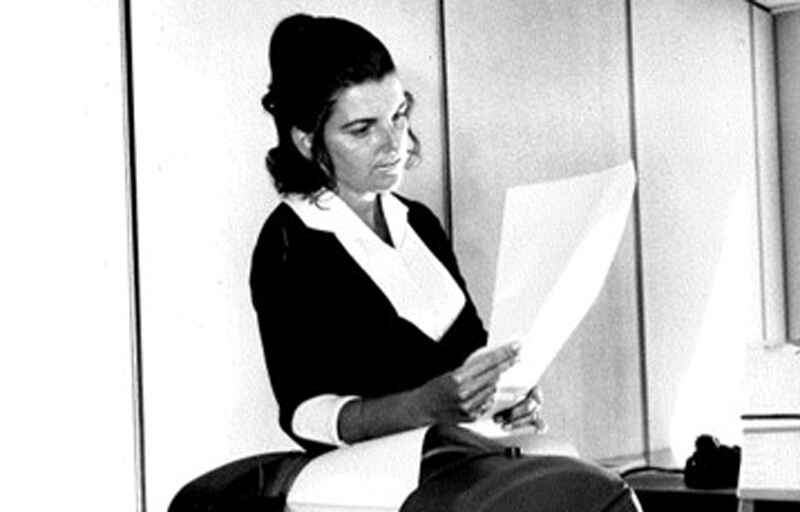
March is a great month to celebrate women of all ages – from change-makers and senior trailblazers to entrepreneurs and women who live out their dream jobs. “I found it invigorating being the only woman in the room” International Women’s Day is March 8 and let’s honour women who pave the way for others and break down barriers to gender equality. This year’s theme for IWD is #ChooseTo Challenge and these senior trailblazers chose to challenge in their own way, before feminism was an object of cultural discourse. In the 50s when women were relegated to the kitchen or secretarial roles, Jean Davey fearlessly entered the world of finance, and triumphantly climbed her way to the top of the stock market in an industry dominated by sexism, disapproval and disparagement. Davey, who turns 90 in June, became Canada’s first woman to be a licensed stockbroker and VP at a major finance company. “I found it invigorating being the only woman in the room,” says Davey. The Only Woman in the Room: The Making of a Stockbroke is the name of her book and it follows her inspiring and remarkable ascent on Bay Street. Davey’s career in finance spanned 50 years, through the era of three-martini lunches and the impenetrable old boys club to putting major cracks in the glass ceiling when, at age 73, she was appointed VP and director of Scotia McLeod. Own your successes and aim higher. Through the highs and the lows, that’s what Davy did, and she wishes she could do it all over again. “Life and working hard is a hoot!” Her advice: Own your successes and aim higher. Through the highs and the lows, that’s what Davy did, and she wishes she could do it all over again. “Life and working hard is a hoot!” “If he is doing it, you can do it. Get rid of the idea that you are not great.” From her humble start stuffing envelopes at General Motors in Grade 12 to learning to type and read financial reports as a secretary to the president, the trailblazer went on to rule the trading floor. “I climbed as high as the number two salesperson out of 200 colleagues. I just went for it and didn’t think about it being hard or easy. I went for what I wanted,” says Davey, who lives at Amica Senior Lifestyles in Toronto. That’s her advice to women everywhere: “Don’t worry about barriers, because life is a barrier. Let it be known what you feel about yourself,” says Davey. “If you think you are smart at something, say it, do it.” “The one thing I wish I had done was be a director of a publicly-owned firm. I never asked because I thought I am a female, it is all men, and they don’t want a woman – I talked myself out of it and I regret it.” While attaining power in her profession was hard fought, her book candidly details personal challenges and triumphs too, including ending an unhappy marriage in which she felt controlled and belittled, and then finding the love of her life and remarrying at age 65, showcasing the resilience and fortitude of senior trailblazers. Regrets? Not many: “The one thing I wish I had done was be a director of a publicly-owned firm. I never asked because I thought I am a female, it is all men, and they don’t want a woman – I talked myself out of it and I regret it.” Whatever you dream, you can do it – “I didn’t realize this until later,” adds Davey, mom of two. “If he is doing it, you can do it. Get rid of the idea that you are not great.” Best Christmas Gift Ideas for Seniors Meanwhile, Mona Sager was flying high in a different way while Davey was making a name for herself in the financial world. Sager, 92, became a private pilot more than 70 years ago – she was just 17 and in high school when she started working at the Oshawa Flying Club, and signed up for flying lessons at $11.50 an hour. With hard work and dedication, it wasn’t long before Sager gave up club chores to pilot sightseeing tours around the city in a single-engine Aeronca aircraft. Then came the aerobatics! Sager was unstoppable: She entered a spot landing competition and won. The contest focused on training for emergency landings and entailed flying to a certain height, cutting the engine and making a safe landing on a target. She not only won the Oshawa Flying Club Spot Landing Competition but that day, amongst her all-male competitors, she met her future husband and they married three months later. Sager adds that her passengers’ reactions varied when they boarded for a flight: She had passengers literally disembark after seeing a female at the controls while others specifically requested her to fly them places. “Just do it, don’t worry about what people will think or how they will react. If you want to do it, get up and do it.” Sager recalls having a teacher in school say to her: “You will never amount to anything.” Mona proved her wrong. Her advice to young girls: “Just do it, don’t worry about what people with think or how they will react. If you want to do it, get up and do it.” She went on to work at Oshawa Engineering and have two children. She lives at Amica in Whitby. By Joanne Richard.

By Joanne Richard. The coronavirus outbreak hasn’t worsened ageism – instead it’s magnified our harmful ageist culture that has gone unchallenged for far too long, activist Ashton Applewhite tells Custodia. And that exposure is a good thing: “The crisis has brought age, aging and oldness out of the dark corners and into the centre of the damn room,” says the ageism disruptor and author, “and it’s giving us an extraordinary opportunity to build on that awareness – to mobilize against ageism and change its course. I just wish it hadn’t taken this hideous human cost…” We live in a society that barrages us with negative messages about how truly awful it is to age and our only value is in being young. This discrimination divides us, costs us lots of money, fills us with terrible dread, and cripples our personal and professional lives. “You’re more likely to live longer – an average of 7 ½ years longer – walk faster, and recover from illness and injury quicker” “Our fears about aging are way of whack with reality, and knowing the facts about getting older leads to a happier, healthier approach for society,” says Applewhite. Reject age shaming. Get off the treadmill of age denial. Stop the hand-wringing! You’re aging yourself, literally. “Our attitudes towards aging affect how our minds and bodies function on a cellular level – ageism makes us sick and shortens lives,” says Applewhite, author of This Chair Rocks: A Manifesto Against Ageism and blogs at thischairrocks.com. She recommends adopting a fact-based rather than fear-based attitude towards aging. And here are the facts about having the facts: You’re more likely to live longer – an average of 7 ½ years longer – walk faster, and recover from illness and injury quicker, says Applewhite. “Aging is not a problem to be fixed or a disease to be cured,” she says. “It is a natural, powerful, lifelong process that unites us all.” Older people with positive self-perceptions are less likely to develop Alzheimer’s, even if we have the gene that predisposes us to that disease, she says. “Actually, dementia rates are actually falling fast. All age-related diseases are declining.” All the worrying and the irrational fear of memory loss generate debilitating anxiety, and this makes us more vulnerable to exactly what we fear the most, she says. The fear is bad for our health and bad for our lives. It’s not all diapers, depression and dementia! “We’re terrified at the prospect that we’ll be drooling in some institution someday, yet only around 3% of older Canadians are living in nursing homes,” says Applewhite. In Canada, 92% of men and women aged 65 and over live at home. “People are happiest at the beginnings and the ends of their lives.” While our fears are real and legitimate, not all of your darkest fears are going to come true. Most “olders” are not falling apart, nor are they train wrecks. Most of us are likely to fall somewhere in the messy middle of the pizza, she says, muddling along just fine – and most people really like getting older. “People are happiest at the beginnings and the ends of their lives. If you don’t want to take my word for it, Google ‘U-curve of happiness.’ Even as age strips us of the things we cherished – physical strength, beloved friends, toned flesh – we grow more content,” Applewhite writes in her Manifesto. But that’s not the way it’s spun by the beauty or medical industries – they profit from pathologizing this natural transition, says Applewhite. We treat it as a disease, we treat it as a social problem, and that’s because no one makes money from satisfaction. Think hard about your attitudes towards age and aging. Where do they come from, who profits from your fears, are they based on observable reality? “Aging is not a problem to be fixed or a disease to be cured,” she says. “It is a natural, powerful, lifelong process that unites us all.” Ask yourself why does aging well mean struggling to look and move like younger versions of ourselves? “It’s embarrassing to be called old until we stop being embarrassed about it!” Unfortunately, our youth-obsessed, sexist, misogynistic, capitalist culture idealizes those who appear not to age, says Applewhite, like older people running marathons or jumping out of airplanes. “Hey, if they inspire you, fantastic, but never forget they are outliers, they are not typical. There should be zero shame if you don’t want to jump out of an airplane, or can’t or can’t afford to jump out of an airplane.” Or you can’t climb stairs or drive at night. Her definition of successful aging: “If you wake up in the morning, you’re aging successfully.” “By having friends of all ages, you will educate and inform yourself organically and help dismantle ageism.” Enjoy the older years by saving for retirement, taking care of your health, and making friends of all ages. “Think of something you want to do and find a mixed-aged group to do it with. By having friends of all ages, you will educate and inform yourself organically and help dismantle ageism.” Ideally, intergenerational living in the form of affordable, age-friendly housing enriches us all. Aging in place is fine as long as we have a way to be socially connected to people and get the help we’re going to need, she says. “Sure, it’s scary to realize that we’re not going to be able to shovel our driveway one day, so do you have a plan for who is going to shovel for you? It’s not about old, sad people needing help – it’s about all ages being in contact with each other.” Tackling ageism requires collective action by companies, communities, and all of us making noise. “Autonomy requires collaborators. We are social creatures: all of life is interdependence. Let’s acknowledge our lifelong need for helping hands and reach for them gratefully and without shame.” Shifting our attitudes and national priorities is critical…
Read more

Once life goes back to normal and people are getting out again and returning to work, there could be some post-COVID pet regret along with our new best furry friends facing a lot of unfamiliar alone time. Pandemic puppy purchases may be in the moment, but pet ownership is a long-term commitment. Pandemic Puppy demand is soaring. Humane societies and animal rescue organizations across Canada report a spike in new adoptions and fosters, so much so that supply is low. And the tremendous ongoing demand from over-eager consumers has sent puppy prices skyrocketing with several Kijiji listings asking $3,000 and upward for a mutt – with no guarantees of health, breed or temperament. While craving companionship is understandable, the end result could be more than you bargained for. According to Dr. Rebecca Greenstein, Canadian veterinary medical advisor for Rover, “while it’s important for everyone to have the opportunity to experience the joy and love of pet companionship, especially during a time of heightened stress and loneliness, it’s also vital that folks consider everything before rushing into a decision.” Lonely seniors have been disproportionately kept away from loved ones during the pandemic, and the companionship, sense of belonging, and stress relief that pets can offer could be hugely beneficial – but in the right situations, said Greenstein, chief vet and owner of Kleinburg Veterinary Hospital at kleinburgvet.ca. Pets have an unmistakable allure, especially in uncertain times and as birthday and Christmas gifts, but they are not a toy or a novelty gift. “Owning an animal is a tremendous responsibility over the entirety of its lifetime – in the case of some birds, this could mean decades of care,” Greenstein said. Seniors need to make an honest assessment of their own mobility and physical fitness: Are you able and willing to go for long walks several times a day? If your large dog gets hurt, could you realistically lift him or her into a vehicle by yourself? Another key consideration is the cost of pet ownership. Routine veterinary visits, food, and grooming all add up. Emergency medical bills can run into the thousands so it’s essential to consider pet insurance and to set aside funds as early as possible, Greenstein added. Check out Food For Good Mood. In addition, consider your lifestyle and home circumstances. “Once the pandemic ends and you’re busy socializing again, do you have the time to devote to pet care? While certain pets can be happily kept in an apartment, other active breeds need pace like a backyard or park to run about so take stock of your home and be honest about where it ranks on the pet-friendliness scale.” While there’s a good reason we call them man’s best friend, canines are not appropriate for all people under all circumstances, stressed Greenstein. “Smaller, calmer, and more sedentary breeds are likely a better choice for seniors but thorough research is a must before bringing a fur baby home!” According to Greenstein, cats are another good choice. Unlike dogs, they don’t require the same amount of physical activity and most cats thrive indoors only. “Just be sure that no one in the home has allergies and remember that cats can live to over 20 years of age, so you’re in it for the long term.” Fish are an often overlooked pet. They are colourful and beautiful and some non-tropical species are fairly easy to care for. “Studies have shown that even owning a goldfish as a pet can have significant health benefits as an owner,” she said. What are the best dogs for seniors? Consider smaller, calmer breeds with less exercise requirements includingminiature poodles, bichons, yorkies, shih tzus and maltese. Some of these can bark a lot, require a lot of grooming and have a variety of common health issues so be sure to do your research beforehand, advised Greenstein. What are the best to avoid these dogs if you’re a senior? German shepherds, Rottweilers, and Dobermans are beautiful dogs but require a lot of exercises and intense training. Herding breeds like Australian shepherds are intelligent but need a lot of physical activity and attention. Golden Retrievers are kind, loyal, and wonderful family pets but might be a little too destructive, especially as puppies, and need significant space and exercise. If adding a new family member is feasible both short-term and in the future, the added companionship can be a major factor in boosting mental wellbeing, she said. In fact, a recent Rover survey found that nine out of 10 dog owners say that since the pandemic began, their dog has played a role in positively impacting their mental health. “Welcoming a new pandemic puppy to your family is a financial and emotional commitment that shouldn’t be taken lightly – but ask any pet parent and they’ll tell you, the love and joy they bring to your life is priceless.”

By Joanne Richard. Loneliness has long been a growing public health concern in Canada and globally, and COVID-19 is making the loneliness epidemic even worse, especially for the elderly. Older adults are particularly harmed — virtual hugs and kisses don’t cut it. NORC at the University of Chicago found the pandemic has made about a third of adults 70 and older lonelier than usual. “Increased insolation has lead to many seniors worrying about not having enough time left to see there families and connect,” said registered psychotherapist Joshua Peters. And the “upcoming holiday season will be especially difficult for seniors who worry about the number of holidays they have left in their lifetime.” The enforced isolation in care homes and assisted living facilities has been particularly traumatic – “this can result in an out of sight, out of mind experience that leaves seniors vulnerable,” said Peters, Clinical Manager the Centre for Interpersonal Relationships (CFIR). Social disconnect isn’t just a problem for the elderly. Anyone, anywhere, of any age can experience loneliness, and with it much pain and suffering, according to Dr. Ami Rokach, a York University professor and clinical psychologist specializing in treating and researching loneliness. “All of us want, and need, is to belong and to be loved.” Rethink Aging With Colin Milner COVID-19 fallout is seeing many older people closed off from family and friends, and bombarded with messages that they are vulnerable, on their way out, and should be extremely cautious, Rokach said. “While they need to be cautious, all that, together, isolates them, physically and socially, and for those who translate social isolation to loneliness, it is frightening, alienating, and creates uncertainty.” Loneliness is debilitating mentally and physically: “It is known to weaken the immune system, lengthen the period of illness, slow recovery, contribute to heart attacks, high blood pressure, dementia in the elderly, and may even hasten death in the old,” Rokach reported. Loneliness leaves the person believing that s/he is not important, unlovable, and does not belong, he said. “Being confined to home, as many elderly may be, feeling like they are forgotten and even abandoned, can clearly affect their mental health.” Peters is optimistic that most seniors will bounce back from this experience assuming that some state of normalcy returns. “Seniors are a hardy and resilient group. They have lived through many world events that have challenged their way of life and survived,” he said. Connecting with family and younger generations is essential to older adults’ wellbeing, Peters stressed. “This allows for social connection and meaning as well as contributing to a sense of generativity — the need to nurture and guide younger people and contribute to the next generation. Generativity is one greatest predictors of wellbeing in older adults.” Safeguarding their wellbeing requires support and community: “Likely we’re headed in the wrong direction if we push seniors into facilities that encourage an outsourcing of care when we have opportunities to provide it elsewhere.” Ageing in place allows seniors to stay where they feel most comfortable and makes visits from family easier, added Peters. It also allows seniors greater independence as well as the ability to stay close to the networks they’ve create over a lifetime. “These networks are essential during times of crisis to provide support and connection,” Peters said. “A sense of community can combat the loneliness that many seniors may experience. These communities also provide space where seniors can share their wisdom with future generations.” Unfortunately, many seniors facilities do not have the resources to create this type of community, he said, adding that they are less comfortable places to visit, which can make it harder to maintain connections According to Peters, in order to get through this crisis, we need to ensure that we do not forget how vulnerable seniors are to being neglected and connect as much as possible. “In caring for seniors, it is also important to ensure they are given as much independence as possible. Respect should be given for their experiences and the lives that they have lived.” Key Ideas Being alone does not, necessarily, mean being lonely, according to loneliness expert Dr. Ami Rokach. It just means being alone. “It may arouse boredom, some anxiety, and a wish to see and interact with others, but that does not loneliness make. “Just like when we feel we wish to taste a piece of chocolate or a sweet treat does not mean that we are hungry.” Perception of the situation is very important. Rokach offered these tips for seniors dealing with loneliness: What Can You Do? Mental health expert Joshua Peters offered up this advice for families, friends and neighbours to help seniors cope with isolation and loneliness:

Conquer The Great Indoors Indoor activities for seniors are important, especially in autumn and winter months, when the weather is typically cold and rainy. So make the most of your time indoors with these 5 autumn activities you can do around the house. 1. Play Mobile Games A new trend boosting the wellbeing for seniors is digital and mobile games! That’s right, a recent study by North Carolina State University found that seniors who actively played digital games reported better feelings of well being than seniors who don’t play digital games. Digital games also happen to be excellent indoor activities for seniors. In addition, the study found that seniors who play digital games are less likely to feel depressed, and also reported higher levels of social functioning. Become a mobile gamer, use your mobile device to download a few games and try them out. Don’t worry if you do not enjoy the game, after trying it out you can always uninstall the game and try another. Your favorite mobile game is waiting for you to discover it! Play Words with Friends Word with friends is a fun mobile game that can be played with friends and family. It is available for Android devices in Google’s play store or on IOS devices in Apple’s app store. Download words with friends to challenge your friends and family to a digital version of Scrabble! Play 2048 2048 is an interactive number puzzle created by Gabriele Cirulli in 2014, and it is incredibly simple – yet satisfying to play. The objective is to swipe numbered tiles together, adding their values to reach a total of 2048. Also available for Android devices in Google’s play store or on IOS devices in Apple’s app store. 2. Practice Indoor Tai Chi Tai Chi promotes balance, and has been proven to lead to better sleep and clearer cognition. It involves slow performed movements while standing, and can be a powerful fall prevention exercise if performed safely. Learn Tai Chi Tai Chi is practiced all over the globe. Someone in your social circle may know Tai Chi, and be able to teach you. Or you can learn online by watching tutorial videos on YouTube. Get started learning Tai Chi by watching this 5 minute video for beginners, and try your best to follow along. Watch a Video Tutorial on YouTube 3. Create A Gratitude Wall Did you know that showing gratitude has scientifically shown to reduce stress and encourage a more rested sleep? Building a gratitude wall is a simple and cost effective way to show a little bit of gratitude each day. Start by putting up a large sheet of paper on the wall in your living room, and write down what you are grateful for. Don’t forget to encourage any friends or family in your social circle to do the same when they come to visit. Need Gratitude Wall Ideas? Take a look at this amazing collection of gratitude wall images by Jill Schoenherr on Pinterest. Get Inspired with Gratitude Wall Ideas. 4. Make Art Pumpkins As fun as it is, pumpkin carving can be dangerous. According to UPI’s Health News, over 3000 people in the U.S were injured carving pumpkins in 2017. In an academy news release, Dr. L. Reid Boyce Nichols, spokesman for the AAOS stated “Pumpkin carving is a fun activity, but it can result in serious cuts on the hand and injuries to bones and tendons,”. With this in mind, you should ditch the dangerous knives this fall, and pick up a paint brush and some art supplies instead. Painting and creating art has been shown to increase resistance to stress in adults over 65, and most importantly artistic and creative exercises are fun indoor activities for seniors. So use your imagination and have fun, and if you get stuck, just head over to Pinterest to get inspired by 100s of painted pumpkin ideas! Art Pumpkin Ideas Check out this creative collection of painted pumpkins by Debby Peery on Pinterest. Get Creative with Painted Pumpkin Ideas. 5. Watch a Scary Classic Movie According to Psychology Today, nostalgia is a positive emotion, and has the ability to uplift your mood. Nostalgia can also increase a sense of meaning in your life, and boost self-esteem. Watching a classic scary movie is a perfect way to get nostalgic during the fall and winter months, and the best part is you can enjoy a movie alone or in the company of your friends and family. Get the projector out, and hit the lights. Try revisiting some nostalgic classic movies like Hitchcock’s Vertigo, Anthony Perkin’s Murder on the Orient Express, or re-watch some Twilight Zone episodes. Try a Streaming Service If you don’t subscribe to one already, try out a reputable streaming service like Netflix, Amazon Prime Video, Apple TV, or Hulu. Each service has 1000s of TV shows and Movies that are available for you to watch 24/7. Our Seniors Support At Custodia we aid seniors, their families, and seniors support organizations. We make sure seniors can live more independently, and are comfortable in the safety of their home. Custodia Seniors Support provides access to reliable information and affordable professional services. We do it all from safety and accessibility feature installations, to general labor, and handyman services, to seasonal home services like, snow removal, lawn maintenance, gutter cleaning and more! Contact Custodia Seniors Support today. Canada’s choice for senior’s home management Service. Call 1-833-410-HELP any day at any time or email us at services@custodia.
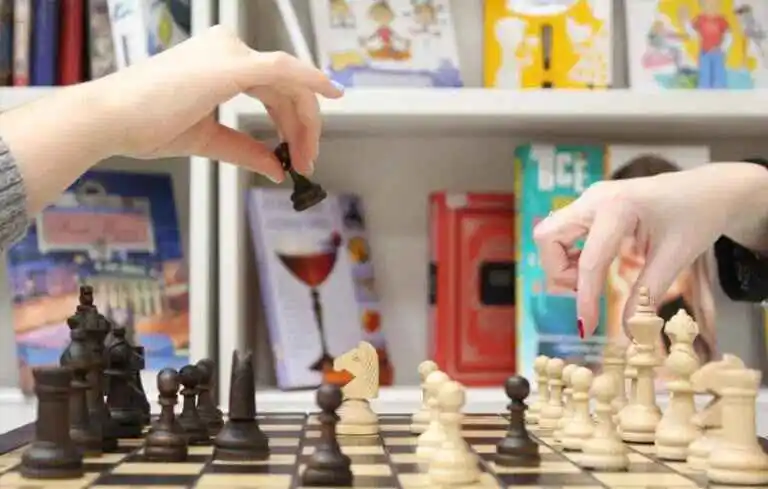
Boosting Your Brain Health Boost your brain health with our simple exercises. Boosting your brain health is an essential part of maintaining your cognitive abilities, charm, and quick wit. 1. Learning and Brain Health A Neurology study, first published June 10, 2015, found that learning activities can help slow down symptoms of Alzheimer’s, and maintain quality of life for a longer period of time. Learning about something of interest is fun, and has many benefits for your brain. In an article by CCSU, the author discusses how learning something new can make your myelin more dense (your brain’s white-matter). The article shows that increased myelin (more dense) stimulates your brain’s neurons, and will create pathways that are neural that let electric impulses move quicker. Try an Online Course These days there are plenty of online education options to choose from, but we recommend you only subscribe to trusted providers like Skillshare, Masterclass, or Lynda. 2. Brain Games and Brain Health According to a 2016 study in International Psychogeriatrics, brain stimulating games can improve critical thinking skills that can diminish over time, like speed, planning, reaction, decision-making, and short-term memory. In a Health Harvard interview, Dr. Brody-Magid states “Also, your *cognitive* reserve may even help provide resilience against age-related memory loss and dementia,”. This leads Dr. Brody-Magid to believe that brain stimulating games also help your memory by growing your cognitive reserve. Your cognitive reserve is like a savings account that your brain makes a withdrawal from when you need to think quick. Play a Classic or New Brain Game There are many great brain games, from newspaper classics like crossword, sudoku, and spot the difference, there are also new science backed digital brain games from companies like peak, luminosity and happy-neuron. 3. Light Exercise and Brain Health Did you know that light exercise has been proven to relieve stress, increase energy, reduce tiredness, improve sleep, and also reduce cholesterol? A study by the US National Library of Medicine found that regular exercise provides all these mental health benefits and more! The study also finds that aerobic workouts, like walking, going for a swim, riding a bicycle, gardening, and dancing to your favourite music reduce anxiety and depression. The findings state that the improved mood is a result of the exercise-induced increase in blood circulation to the brain. Find an Exercise for You Although exercise has many mental and physical health benefits, it can also be quite dangerous if you do not pick a suitable exercise routine! Avoid heavy exercise while alone, and avoid exercising in areas that may lead to slips or falls. Here are a few safe exercises that you can try in the safety of your home. 4. Puzzles and Brain Health A recent study by The National Center for Biotechnology Information (NCBI) shows that solving puzzles is not only affordable, but also a motivating cognitive leisure activity. What makes a puzzle special is that it’s a great solo activity that can also be played with others in a group. The study also shows that when puzzles are solved with others it combats the feeling of loneliness. In a Reader’s Digest interview with Clinical-Neuropsychologist, Susan Vandermorris of Baycrest Health Sciences shares her belief that any kind of puzzle is good for your brain. She puts an emphasis on the stress related benefits of puzzles, stating that while building a puzzle, you are disconnected from your normal thoughts, instead engaged in the task of the puzzle. Build a Real or Digital Puzzle Grab an old puzzle off the board game shelf, or head to Amazon to buy some new puzzles. You can also give one of the many digital puzzles a try. Digital puzzles are available online, on Google’s Play store, or in Apple’s App store. Take a look below to get started: 5. Reading and Brain Health Evidence in a 2016 study from Yale’s school of Public Health shows reading can lead you to enjoying a longer-life. The study found that readers had a 20% reduction in risk of death over 12 years, compared with non-book readers. A different study from multiple researchers, and published by the US National Library of Medicine used MRI’s to scan the brains of readers and non-readers. The research confirms that improving your reading ability will strengthen your brain’s network of circuits and signals. Join a Book Club In the current Covid-19 environment it may not be safe to meet with others for unessential reasons like a book club. But luck for us there are plenty of virtual and online book clubs to choose from! Take a look at some of the book club options below, and find one that you like best. Contact Custodia Seniors Support We help seniors enjoy longer and happier lives, in the safety of their home, by helping seniors access trusted information and affordable services that they need to stay in their homes for as long as possible. We do grab bar installations, handyman services, seasonal yard cleaning, tree trimming and removal, snow removal, window washing, gutter cleaning and more! Get in touch with Custodia Seniors Support professionals today – your 5 star home management service, call 1-833-410-HELP. Bundle and save: 5% with three services, 10% with four or five services, and 15% with over five services.

According to Statistics Canada, 1 in 3 seniors over 65 are likely to fall at least once in a year. For many, these falls can lead to injuries requiring hospitalization. In fact, each year, 85% of injury-related hospitalizations in seniors are due to falls. The Public Health Agency of Canada say that over one-third of these seniors are placed into long-term care as a result of their fall injury. These numbers are frightening. But, with a safer home, they can be avoided. First, consider whether someone is at a higher risk for a fall. The CDC states that risk factors for falling can be vision problems, difficulty with balance, sedative medications, vitamin D deficiency, foot pain or poor footwear, and general body weakness. There is a higher risk when the home is cluttered, has uneven stairs, low lighting, or unsecured throw rugs. The bathroom is a very common spot for falls to occur; the slick, flat, slippery surfaces are dangerous to even the most able-bodied people. When you consider how many fall hazards there are around the home combined with the statistics on seniors falling, it’s frightening. With more and more seniors opting to age in place at their own homes, it is imperative that their space be made as safe as can be. One easy way a safe home can be achieved is with the simple installation of mobility devices like grab bars. Grab bars are typically used in the bathroom to assist with entering and exiting the shower/tub, and to help with getting on/off the toilet. However, they can be installed all around the home wherever a little extra stability assistance is needed. Grab bars can be easily installed on your own, but when someone is relying totally on them, its best to have it done the safest possible way by a professional. Different Types of Grab Bars When it comes to grab bars, there are 3 main differences in installation. Some are installed vertically, some horizontally, and some on an angle. You could also install two bars together to create an L-shape. Each bar supports differently. Vertical bars are typically better for standing positions, like stepping in and out of the shower, while horizontal bars are better for use when lowering and raising the body. Angled bars are typically more similar to horizontal, but can combine the two. Within these types of bars, there are also many other differences. Some bars are textured, some are installed by suction rather than screws, and some even serve other functions in the bathroom as well. It’s a confusing space to navigate. To help make the choice easier, we have narrowed down what we think are the 7 best grab bars easily available for purchase in Canada. The 7 Best Grab Bars Best Overall – Moen SecureMount 18 inch Click here to view on Amazon Canada This sleek stainless steel grab bar is simple and effective. It’s textured to assist with grip, is rust-resistant, and can withstand up to 500 pounds of weight when installed properly. It can be installed vertically, horizontally, or on an angle, and the screws are concealed for a cleaner look. Best Suction – Mommy’s Helper 17 inch Safe-er Grip Click here to view on Amazon Canada A suction grab bar option is great for when drilling isn’t possible. However, it can be a little finicky. It must be applied to smooth, clean, flat, non-porous surfaces. It will not work over grout lines or textured surfaces. It must be reattached and tested before every use, as the suction could have weakened since the last use. Once it is clean and reset, it is very strong, though it’s still not recommended that full body weight be placed on it. Best Angled – ROVATE 17 inch Angled Grab Bar Click here to view on Amazon Canada This is an excellent angled option. It is sleek stainless steel, will not rust, and can withstand 300 pounds of weight when installed correctly. The screws are concealed for a sleeker look. Best Flip-Up – Moen 30 inch Flip-Up Grab Bar Click here to view on Amazon Canada This option is wonderful for small spaces, as it flips up out of the way when not in use. This style of bar is especially great for installation by the toilet. It will support up to 300 pounds, or 500 pounds when installed to a wall stud. It is stainless steel and will not rust. Best for Small Space – DELTA Corner Shelf with Assist Bar Click here to view on Amazon Canada This beautiful stainless steel multifunction corner shelf is a great option for small spaces. It holds your toiletries and offers your support! It is more designed for assistance rather than placing entire body weight on, but will still support 250 pounds when installed correctly. Best Standing Bar – Stander Security Pole and Curve Grab Bar Click here to view on Amazon Canada The most expensive item on our list, this bar is secured to the ceiling and floor and can be used all around the house as well as in the bathroom to assist with standing and sitting, or stepping in and out of the shower/bath. It is adjustable at 7-10 feet tall and will support up to 300 pounds. It is important to note that it will not work on a curved or textured ceiling. Best Multi-Use – Moen Home Care Grab Bar Toilet Paper Holder Click here to view on Amazon Canada This is a marvelous option for someone who may not like the look of grab bars, and just wants a little assistance getting on or off the toilet. This toilet paper holder, when installed correctly, will support up to 250 pounds. It’s a wonderful subtle option, but not for those who would need to apply their full body weight. Installation is easy with Custodia It’s simple: grab bars make the home a safer place for seniors to live. Whatever style of bar you choose, adding grab bars…
Read more

Are you surprised seniors want to age at home during COVID-19? TORONTO, April 29, 2020 /CNW/ – As the deadly COVID-19 outbreak spreads, so too does anxiety amongst seniors and their loved ones. Now more than ever, seniors are reconsidering their move into a retirement residence or assisted living facility, vowing to age in place by bringing in support and services. And there’s a brand new App for that and a Hotline too – both free – to help seniors stay in their home sweet home. Custodia Seniors Support has developed a free aging-in-place planning App and a free 24/7 Hotline at 1-833-410-HELP, where seniors can access information and be directed to essential personal support and home management services, and to vital non-profit organizations that are focused on seniors. Government support for Canadian seniors to age at home has been inadequate, but the pandemic could change that. “I think this pandemic will cause a massive rethink of how we are delivering long-term care in Canada, and how to support people to age in place,” said Dr. Samir Sinha, Canada’s foremost geriatrics expert. Most people want to remain in their homes for as long as possible, said Sinha, adding that it’s also cheaper for governments to promote and support rethink aging in place rather than in an institutional setting. “After this nightmare is over, I would not be surprised to see governments pivoting their long-term care strategy to be investing more in nursing home alternatives of care that are actually on balance cheaper to deliver and more in line with what people actually want,” said Sinha, a passionate advocate for elderly patients and Director of Geriatrics, Sinai Health System and the University Health Network. Technologies and systems that support seniors aging in place have been neglected far too long. “We need to invest in community-based services and home-care supports for seniors. This cannot be stated enough: There is a desperate need now and after the pandemic subsides,” said Geoff Whitlock, founder of Custodia. Traffic to custodia.com has grown by over 2800%. “Some seniors are running out of groceries. Others need help around the home and they don’t know where to turn,” said Whitlock. “We’ve arranged for essential home services, personal support, for masks, and even helping seniors access medical assistance. It’s a very stressful time for the elderly, especially if they are isolated and have no family living close by,” said Whitlock. Custodia has partnered with many reputable non-profits and business that also are dedicated to seniors, including St. Joseph’s Home Care, Alzheimer Society Peel, and many others. Whitlock launched Custodia 18 months ago to fill the needs of those who want to age in place. “We’ve helped thousands of seniors reduce stress and live more enjoyable lives at home because that’s where they want to be.” About Custodia: Custodia is an aging in place company that helps seniors-focused organizations, seniors, and their families plan and access trusted information and affordable services they need to stay at home for the long term. SOURCE Custodia Inc. For further information: For more information contact Geoff at geoff@custodia.com or 416-919-6112.
It’s been a strange few weeks for us all, our lives and our communities are changing. As these challenges persist, we maintain focus on our team training and safety while improving service for the seniors we serve. Here are a few updates to be aware of: Essential Services Free Mobile App Launched Free Seniors Support Hotline expanded 24/7 Refer-A-Friend Service Helping the Community We stand by the entire community as we navigate these changes together. Take care of yourself, your family, and neighbours by continuing to follow your local public health guidelines. Stay safe, happy, and healthyGeoff WhitlockFounder of Custodia