Now booking for Spring 2025 – Call 1-833-410-4357 or Book Online!


By Joanne Richard. Entrepreneurial Spirit Soaring In Their 70s – Spring is in sight, and with it comes new energy and opportunities, possibly even a different career path and purpose. While some of us are happy to quietly retire and leave the grind behind, other seniors are finding purpose in launching brand new careers. Studies show that what contributes to happiness midlife and beyond is essentially not the size of your bank account, but finding new challenges and opportunities to help fill your emotional bank account. March is a great month for renewal, recalibration, and joyful celebration, including the widely-feted International Women’s Day. So let’s celebrate entrepreneurial wonderwomen who are regenerating and blazing online business trails in their 70s! Forget retirement – Joan Cohen is all about rewiring. The 73-year-old launched her own jewelry company, Ever & Ivy, during the pandemic and is busy building her shiny new brand. Cohen had a series of careers prior to jewelry design, including jobs in the photography and advertising industries, as well as owning a furniture and interior design shop which she sold 20 years ago to spend more time with her family. Throughout her journey, she consistently exhibited an Entrepreneurial Spirit, exploring various avenues and seizing opportunities along the way. Making jewelry was just a hobby until she began to learn goldsmithing – she studied at Fleming College with a goldsmith who taught her the basics of creating jewelry out of sterling silver and gold. She started out by selling her handmade designs at a few specialty boutiques and the odd gallery in Canada, and more recently, scaled to increase volume for her online Ever & Ivy. Described as classically-inspired, architecturally-styled personal adornment, pieces are generally oversized but not in the extreme, she says. “Research tells us that what we wear impacts our brain and can influence mood, emotion, and performance – I offer designs that speak volumes about a person’s personality without ever saying a word.” With her entrepreneurial spirit literally paved in gold and silver, Cohen’s career speaks to the immense benefits of being vital and connected. “I have been incredibly excited to wake up and have this challenge ahead of me every day. My husband and almost all of my contemporaries are retired or winding down their careers, so at times I feel at cross purposes with some. But my husband has been incredibly supportive, which is a huge help in keeping me on track.” Her advice to get on the entrepreneurial track? Don’t let the naysayers get you down. Believe in yourself and take advantage of all of your life experiences to provide creative and practical stimulation. “An extensive study in the U.S. found that the most productive age in human life is between 60-70 years of age. The second most productive stage of the human being is from 70-80 years of age, and the third is from 50-60 years of age. The average age of the Nobel Prize winner is 62 years. Don’t waste the most productive years of your life.” Although Cohen doesn’t feel too old in the least to start a business, she says she feels the effect of ageism and the negative societal attitudes to her age. “For that reason, I have been reticent to become the face of Ever & Ivy. I don’t want to pigeonhole the brand’s appeal to only one age group as I believe it has broad appeal.” While Cohen has designs for all ages, Joan MacDonald, 75, is sweating out a new career with a focus on other seniors and motivating them to get fit and feel fabulous just like her. “You can’t turn back the clock, but you can wind it up again,” says McDonald, who has built a following of 1.6 million on Instagram @trainwithjoan, and has launched fully-guided Train with Joan workouts in the app store. The fitness influencer lost close to 70 pounds and gained a wealth of health and energy – and fans. Her amazing transformation and training tips are featured with relentless positivity while wearing trendy body-hugging outfits, which some people have weighed in on as being shameful. McDonald posted: “I think the way a society treats its older population says a lot about that culture. Older people are not shameful.We are not a burden.We do not have to stay hidden.It is my hope that more of us older people shed some light on how to age well, give some real hope to others that it is possible to keep your vitality as you get older, and that older people have something important to contribute to society.” MacDonald is energized by helping others age a better way. Just a few years ago, she got winded walking up a flight of stairs – she was overweight and on multiple meds. The doctor suggested more meds. “My daughter Michelle, who is a transformation coach, was visiting at the time and gave me an ultimatum: change my health with her help or continue to decline. You know what option I picked!” She adds, “I was slowly dying – now I’m living,” and obviously living her best life. “Since making my health a priority, I feel like I can truly live my life versus just endure it. I have the energy to complete everything I want to do, from keeping up with my daughter to travel,” says McDonald, who divides her time between Cobourg, ON, and Tulum, Mexico. She loves sharing her story: “I love seeing others live their best life. I think others would enjoy my story because if this grandma can change, anyone can!” Her advice: Instead of focusing on everything out of your control, focus on what you can do that is beneficial for your life. It may be going for a walk daily, getting eight hours of solid sleep per night, or tracking your nutrition. “Habits propel us in a new direction each day.” And age has nothing to do with your potential,” she adds. “Age is just a number! So much of success…
Read more

By Joanne Richard. As seasons change, so do moods. Chilly temps, shorter days, and being cooped up inside can zap our energy and have us feeling a bit blue. And that steady diet of doomscrolling – a new variant spreading, another pandemic winter – is messing with our brain. The cold, dark days of winter have the potential to add negative stress and create unpleasant moods such as sadness, worry, frustration, lethargy, and irritability,” says wellness expert Dr. Haley Perlus, of drhaleyperlus.com. Your sleep, appetite, physical movement, and overall energy levels can all be impacted, and take a toll on all aspects of your life. However, incorporating the right foods for good mood can make a significant difference. If you’re tempted to reach for bottomless bowls of chili or bag after bag of junk food, you’re not alone. “People have evolved to have subconscious urges to over-eat, and limited ability to avoid becoming obese, especially in winter,” reports a study by the University of Exeter in the U.K. Yikes. Obviously, mindful eating is tough, especially as we’re parked close to the fridge, but taking stock now – of what goes into your mouth – may help keep your spirits up in the toughest season of the year. “Eating light and often is a great way to boost your mood. It’s good practice to eat every two to three hours, never going four hours without food,” says Perlus, who specializes in sport and performance. “Just think, when is the last time you went more than four hours without eating and all you craved was kale? Never.” “Going hours without eating can have us craving unhealthy foods because our bodies crave quick glucose.“ It’ll help eliminate bouts of being hangry – being so hungry you get angry. Going hours without eating can have us craving unhealthy foods because our bodies crave quick glucose. “Although we do get a quick boost in energy, we feel worse in the long-term,” Perlus adds. “Eating light and often will steady your mood with the added benefits of consistent brain energy, decrease unhealthy cravings, maintain muscle mass, and prevent excessive fat storage.” Chef Michael Stevens-Hughes is witness to the power of food and its health-boosting benefits. Stevens-Hughes is a Chef de Cuisine at Ste. Anne’s Spa where healthy dishes are the primary ingredient in nourishing overall wellbeing. He sees firsthand how good food makes people feel good. His fresh and delicious dishes are created to deliver relaxation, healing and gastronomic joy. “A nostalgic dish can trigger fond memories of family or comfort and really help people relax, while exciting new flavours can help people forget about some of their troubles.” Times may be troubled and food can soothe the soul but not so much fats and sugars. While “our bodies crave comfort and the solace of a good show, a cozy couch and potato chips,” everything in moderation, says Stevens-Hughes. What will boost your mood, energy and immunity are nutrient-dense foods, including lots of dark leafy greens, beans and legumes, whole grains, nuts and seeds, dark berries, and sustainably-caught fish like salmon and trout. Add in grass-fed beef, oats, bananas, and fermented foods, says Perlus. And dark chocolate, hot cocoa and coffee too – just regulate amounts. Meanwhile, delicious hot soup is especially soothing for the soul in the cold months and a great way to incorporate lots of good-for-you ingredients. Enjoy these health-boosting soup recipes from the cookbook Everyday Recipes from Ste. Anne’s Spa: Herbed Tomato Soup Ingredients: Method: • Heat oil over medium heat and sauté carrot, onion and celery for about 2 minutes. • Add garlic and spices and then add sugar; let cook for 1 minute, add vinegar and simmer for 2 more minutes. • Add tomato paste and stir until blended, then add diced tomatoes, vegetable stock and bay leaf. • Bring to boil and simmer for 15 minutes. • Skim impurities from top. • Add salt and pepper to taste and remove bay leaf. Yields 6 portions. Apple & Parsnip Soup Ingredients: Method: • Heat olive oil in large saucepan over medium heat; add shallots and cook for 1 minute. • Add parsnips and cook for 5 minutes; add apples and vegetable stock. • Cook approximately 20 minutes on medium until parsnips are tender. • Purée soup if desired; add honey and seasonings. Serves up 6 portions. Pureed Carrot, Ginger & Rosemary Soup Ingredients: Method: • Heat oil in large saucepan on medium heat and add onion; cook approximately 3 minutes until transparent. • Add carrots and celery and cook for 5 minutes. • Add ginger and rosemary and stock. • Bring to a boil and add potato; bring back to a boil, then simmer 15-20 minutes. • Purée the soup and add salt and pepper to taste. Maple Sweet Potato Soup Ingredients: Method: • Heat oven to 350ºF. • Roast unpeeled sweet potato, flesh-side down, until brown and soft (about 20 minutes); this can be done a day or two ahead of time while roasting something else. • When cool, peel off the potato skin, which should now be quite loose. • Heat oil in a saucepan over medium heat. • Add onion and softened sweet potato; sauté until onion is transparent (about 4 minutes). • Add remaining ingredients and let simmer for 15 minutes. • Purée for a smooth soup; mash if you prefer a chunkier texture. Yields 6-8 servings. For a different flavour, try pumpkin instead of sweet potato and honey instead of maple syrup. *Recipes reprinted with permission from Ste. Anne’s Spa.

By Joanne Richard. How many times have you heard it? “I have everything – don’t get me anything.” Yes, many older folks don’t want or need more knickknacks or warm gloves, or gift cards, but there are still many thoughtful and Best Christmas Gift Ideas for Seniors that can make their lives simpler, safer, and just more comfortable and cozy. And that just won’t sit somewhere on a shelf. With gift-giving season rolling in, the big countdown is on and there are only so many shopping days left! We’re here to help with a sleighful of thoughtful ideas that provide self-care, fun experiences, or assist with special needs – and make life that much more merry. List of Best Christmas Gift Ideas for Seniors From sensible gifts to sentimental things to presents that make aging at home a whole lot easier, there’s something that’ll brighten Christmas morning for every special senior on your list. Explore our curated collection of the Best Christmas Gift Ideas for Seniors and spread joy and comfort this holiday season. 1. Nest Thermostat. Get them some smart technology to keep them living in their own homes with ease and confidence. A Nest Learning Thermostat has a big, sharp display and remembers what temperature your folks prefer, learns their schedule, and programs itself to save energy. Available at major retailers including Best Buy, Canadian Tire, Lowes, and Walmart. 2. Smart Garage Door Opener. Welcome your loved one home with a Smart Garage Door Opener that lets them in and out safely and effortlessly with the simple touch of their Smartphone; lots to choose from at Canadian Tire, Home Depot, and other retailers. Consider these among the Best Christmas Gift Ideas for Seniors, offering convenience and peace of mind during the festive season and beyond. 3. Smart Ring Doorbell Ring in the holidays with a Smart Ring Doorbell. Lets them see who’s coming and going, safely and conveniently, and even chat with visitors – even if they’re not home. A variety of models are available online and at major retailers and are super easy to install and user-friendly. 4. Heatable Slippers Spa Chic Warm their heart and their feet with the new and glamourous Heatable Slippers Spa Chic by Magic Bag. Give soothing relief of aches and pains with lavender aromatherapy slippers that hold heat for 30 minutes after warming them up in the microwave. Store in freezer and use them instead as a cold compress. The heatable inserts can be removed. Available at magicbag.com and pharmacies and retailers across Canada, along with other therapeutic Magic Bag Spa wellness products, including the Lavendar Extended Aromatherapy Wrap Spa Chic and the Eucalyptus or Lavender Aromatherapy Mask. 5. Digital Calendar Alarm Day Clock Keep them up to date with a digital calendar alarm day clock with an extra-large screen display that’s convenient and simple to read; or consider a high-resolution calendar wall clock that spells out the time, day, and indoor/outdoor temperature in 3.25-inch digits. 6. Electronic Photo Frame No technical skills are required. Connect your folks to love and fun with videos and photos on an electronic photo frame. Share the login information with family members and everyone can share their good times – manage the frame, so many to choose from, with your phone and update using apps, email, Google photos, Facebook, Instagram, and more. 7. Flipper Big Button Remote Remotes can be a major frustration for seniors – the Flipper Big Button Remote features large color-coded tactile buttons for easy use and works for up to two devices. Only six easy-to-read and easy-to-operate buttons – On/Off, Channel Up, Channel Down, Volume Up, Volume Down, and Mute. Ideal for loved ones with Dementia or Alzheimer’s or someone with low and impaired vision. 8. Cobble Hill Easy Handling Puzzle Something entertaining like a puzzle is a great way to exercise the brain, and there are options for every activity level, including those with vision or cognitive challenges. Cobble Hill Easy Handling puzzles have 275 pieces and are not only perfect for easy assembling but large pieces make the details more visible. At walmart.ca, scholarschoice.ca, and other retailers by checking outsetmedia.com. 9. Customized Photo Gift Add a special touch to a puzzle by customizing it with a favourite family photo. Not only is it a great Christmas day activity for the entire family, but it’ll warm mom’s heart over and over again. Or put that special memory on a blanket, mug, doormat, pillowcase, calendar and more at photobookcanada.com, canvaschamp.ca, vistaprint.ca and more. 10. Personalized Drawing Jigsaw Puzzle Guaranteed to melt grandma’s heart, how about a Personalized Drawing Jigsaw Puzzle? Get a grandchild or even great-grandchild to draw a picture on this blank framed canvas jigsaw puzzle, then break it apart and place it into the included gift box. It’s from Poppys Collection, a woman-run, a Canadian business that specializes in curated items for babies, kids, and families from around the world. 11. Sound Bar TV Speakers Now they’ll hear what you hear. Soundbar TV speakers clarify the dialogue and reduce the distracting background sounds so hearing-impaired seniors don’t have to turn things up so loud. The ZVOX Dialogue Clarifying Sound Bar features patented hearing technology that separates the voices from the rest of the soundtrack – and then manipulates them much like a hearing aid does. The voices literally jump out of the soundtrack and can be heard clearly. 12. Weighted Blanket Give them a much-needed hug when you’re not there. Weighted blankets could provide your loved one with a more fitful sleep, calm nerves and diminish anxiety, including those with Alzheimer’s and dementia. The therapeutic effects of deep pressure simulated through the use of a weighted blanket have been documented. Proudly Canadian Hush weighted blankets get rave reviews and so too many others – check out reviews. Consider these as some of the Best Christmas Gift Ideas for Seniors, offering comfort and relief during the holiday season and beyond. 13. Body Care Products Take mom out for lunch and personal service like hairstyling, a manicure or pedicure – something…
Read more

By Joanne Richard. Aging is sparking innovation. In exploring the future of aging, business leaders and entrepreneurs are strategically adapting their products and services to match the demands of seniors and deliver on unmet needs and consumption habits. Empathy and wellness are driving designs for the ever-growing population of older adults – the 60+ global population will encompass more than one in five human beings by mid-century, climbing from 962 million to 2.1 billion by 2050! As we contemplate this demographic shift, it’s imperative to consider the future of aging and develop solutions that promote dignity, independence, and fulfillment for seniors worldwide. Adults are not only living longer, they are expecting to “live longer better” and that, according to Colin Milner, requires solutions that embrace active aging. Older people want to retain their function abilities at as high a level as they can, for as long as they can, including physical, cognitive, and social function. “The better we function in all areas of life, the better our lives,” says Milner, CEO of the International Council on Active Aging (ICAA) and a leading authority on the health and wellbeing of the older adult. According to ICAA research, 59% of senior living communities see themselves moving from a care-based community with wellness, to a wellness-based community with care. There is a stream of wellness trends that are empowering active aging, including innovative places and spaces, growing person-centered wellness solutions, and harnessing technologies to boost health, wellness, and quality of life, says Milner. These smart innovations and new approaches championing older adults will also fuel healthy economic growth. Older people have purchasing power! “The 50+ market now accounts for 70% of disposable income, a number that has grown from 50% twenty years ago,” says Milner, who hosts the podcast Colin Milner Rethinks Aging With… and features researchers, best-selling authors and thought leaders to help transform the conversation on aging and envision the future of aging. Here is what Milner is seeing on the new aging-driven frontier:

By Joanne Richard. As the pandemic lingers, so too the suspicion of touch. Do you flinch when someone reaches out to touch you? Anxious about a spontaneous hug or an encouraging pat on the back? If you’re feeling out of touch, you’re not alone. Eighteen months into the pandemic, and we’ve forsaken casual touch, from handshakes and hugs to pats, rubs, squeezes and strokes. And with dreary winter days looming ahead and continuing social distancing measures, who knows exactly the after-effects of this global experiment in touch deprivation. According to experts, people can experience touch starvation. “Human beings are uniquely wired to crave touch and to be touched,” says registered psychotherapist Joshua Peters, and we’re hungering for this form of communication but touch has become synonymous with fear and sickness in the pandemic. “Being held is one of the first ways we communicate feeling loved and connecting with others… touch reminds us that we are loveable and safe,” says Peters, a clinical supervisor at the Centre for Interpersonal Relationships, adding that there’s an increase in people in therapy describing their need to be touched and held. It’s an essential life ingredient but the pandemic has some of us enduring a solitary confinement of sorts, says Peters, and being touch deprived can make individuals more irritable or depressed. “Public health restrictions are essential for our greater health, but have no doubt taken a toll.” According to the 2020 BBC and Wellcome Collection survey, as the pandemic progressed, even those who lived with other people began craving more touch. Touch was the most vital nonverbal behaviour in the nursing profession when treating older patients. And the desire for touch may be felt more intensely by older adults, suggests a study published in Nursing Older People. It reports that touch was the most vital nonverbal behaviour in the nursing profession when treating older patients. “In old age, the tactile hunger is more powerful than ever, for it is the only sensuous experience that remains,” write the study researchers. Touch makes us tick, but according to Dr. Tiffany Fielding, we’ve actually been falling out of touch for quite some time. “It seems that the pandemic has only exacerbated the touch deprivation that was already happening.” Fielding has been researching therapeutic touch for decades: “We studied touch at airport departure gates before the pandemic and folks were only touching 4% of the time. They were mostly on cell phones – and not talking – just texting and scrolling,” says Fielding, founder, and director of the Touch Research Institute at the University of Miami Medical School. One of her studies shows that in the U.S., couples in a café touched once every 30 minutes. In Paris, it was 20 times every 30 minutes. The no-touch culture isn’t good for us – we need a daily dose of touch, says Feilding. “We know from our research that moving the skin is critical for health.” Practices like massage and exercise can help us find calm and cope better. Skin stimulation actually slows down the heart rate and the release of stress hormones like cortisol, says Fielding. “When you reduce cortisol you can save natural killer cells that ward off bacterial, viral and cancer cells. Ironically, during a viral pandemic we need more natural killer cells and natural killer cell activity but with less touching that is not happening.” “Human touch is a critical and powerful part of our existence, and integral to our bodies ability to heal and regenerate” Until now, few comprehended the strength of touch, and most took it for granted. “It’s silent but potent. Human touch is a critical and powerful part of our existence, and integral to our body’s ability to heal and regenerate,” says Jim Corcoran, a pioneer in the health and wellness industry and founder of Ste. Anne’s Spa in Grafton, ON. “When we’re deprived of positive human touch, there’s lots of cascading negative side effects to our health – that’s why we’ve required therapeutic treatment as part of our spa experience since we opened 30 years ago.” Corcoran is seeing an overwhelming demand for their holistic services, particularly body massages, head massages and facials. People don’t feel comfortable traveling far and have faced very restricted access to the health/wellness sector, and this has resulted in a surge to satisfy an insatiable hunger for stress relief and rejuvenation in the form of restorative, prolonged, well-intentioned touch at his destination spa. He has witnessed touch taking a backseat in modern life: The rise of busy lifestyles and technology have replaced healthy skin contact. Cell phones are held instead of hands. In addition, “we’ve seen western medicine move away from human touch – there’s latex, paper or stainless steel between you and the caregiver,” says Corcoran. We need to prioritize touch as an important component of wellbeing, agree experts. It will take time to decondition our fear response to touch but “our deeply human yearning to touch and be touched will no doubt re-emerge with time and patience,” adds Peters. Take therapist Joshua Peters’ tips to buffer against touch deprivation
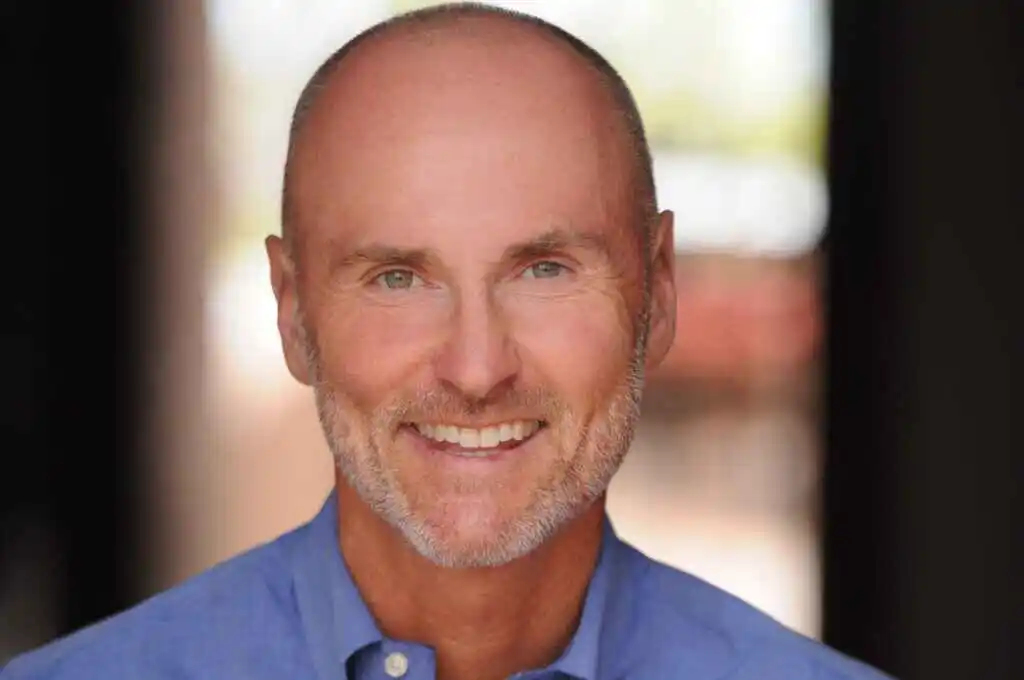
By Joanne Richard. Aging isn’t optional, but growing old is, says Chip Conley, mega hospitality entrepreneur and best-selling author, who’s inspiring a new kind of midlife learning and living, and bringing attention to the benefits of rewiring, not retiring for regeneration. Conley, 60, is shifting negative mindsets on aging through his midlife wisdom school, building regenerative communities, and frequent lectures on the benefits of age diversity in the workplace for regeneration. Regenerating rather than retiring is the way to remain relevant in your bonus years, believes Conley, who did just that as the leader at Airbnb. At the age of 52 and twice as old as the average Airbnb team member, the rebel boutique hotelier joined the promising home-sharing tech startup and helped grow it into the global hospitality giant it is today for regeneration. “The technical definition of retirement is to move into seclusion while regeneration means to bring something back to life,” says Conley, and that’s where purpose, instead of going out to pasture, comes in. “Wave goodbye to conventional and welcome intentional: Think golf courses being replaced by wisdom schools…“ His social projects provide a place and the tools to reframe a lifetime of experience for a relevant and exciting “middlescence.” His Modern Elder Academy (MEA) located in Baja California Sur offers learning, growth, and a fresh perspective through workshops and sabbaticals to help master elderhood. And he’s reimagining retirement communities. Wave goodbye to conventional and welcome intentional: Think golf courses being replaced by wisdom schools, says Conley, where purpose and connection flourish in regenerative communities of interconnected, interdependent living. The first of a collection of communities will open in Santa Fe, New Mexico in 2023 on 2,500 acres. “People are more thirsty for community given their experience with the pandemic,” says Conley, who writes a daily blog called Wisdom Well. Aging isn’t to be feared as long as you embrace purpose, wellness and community, says Conley, adding that Yale professor Becca Levy has shown in her research that when you shift from a negative or neutral perspective on aging to a positive mindset, you add 7.4 years of additional, happy life. Instead of becoming like turtles and retreating into our shells as we age – which is actually isolating and speeds up the aging process – consider sticking out your neck and embracing curiosity. Along with increased EQ and happiness, Conley says that “it’s with our necks stuck out that we will also stay curious, interested and inspired… just because we age doesn’t mean we stop growing and exploring the future of aging..” His advice for aging wise and well? “We tend to think of wellness as a personal endeavour when, in fact, The Blue Zones research shows that ‘social wellness’ is one of the key determinants of longevity and happiness later in life. ‘Illness’ starts with the letter ‘I’ while ‘wellness’ starts with the letters ‘we.’ “So, don’t think that your healthy aging is just about your personal exercise, nutrition and sleep. It’s also about who you spend time with and what kind of meaningful relationships you have in your life” “So, don’t think that your healthy aging is just about your personal exercise, nutrition and sleep. It’s also about who you spend time with and what kind of meaningful relationships you have in your life,” he says. Conley is proof that sharing wisdom acquired from a lifetime of careers can fuel personal fulfillment, businesses, and communities, and that age diversity at work makes for better workplaces and intergenerational rejuvenation. His book Wisdom@Work: The Making of a Modern Elder, tells the tale of being an Airbnb mentor and, surprisingly, an intern at times too. Older and younger workers need each other, and all ages can learn from each other. “We have five generations in the workplace for the first time and 40% of employees have a boss younger than them. By 2025, the majority of American employees will have a younger boss. This means we need to create intergenerational collaboration like we’ve never done before. “Often, this could mean that a younger employee is teaching an older employee DQ (digital intelligence) while an older employee is teaching a younger one EQ (emotional intelligence) especially around leadership skills. Both employees and the company are better off for this kind of mutual mentorship.” The idea of retiring and rehiring is big now. And there’s a real opportunity to collaborate and transfer wisdom. Conley says we need to help companies see that age diversity on teams can make a big difference in companies while also “acknowledging that everyone should be a ‘mentern’ – a mentor and intern at the same time.” One of the cofounders at Airbnb told him that he was the perfect alchemy of curiosity and wisdom – a modern elder, and that’s how he got the title. “It’s that beginner’s mindset that we need to have our whole lives,” adds Conley. “And it’s often shared across generations, in both directions—as a modern elder may have as much to learn from a young person as vice versa” Learning and community make for meaningful second and third chapters: “We’re living longer, organizational power is shifting younger, and the world is changing faster. That leaves people bewildered. I wanted to create a place where people could get the tools and support to feel confident and inspired in the second half of their adult life.” To date, over 1,000 people from two dozen countries have enrolled in his ocean-front academy. Learners range in age from 30 to 88, with an average age of 54. More than 60% are women. Conley is hopeful that his social ventures will be “a catalyst for a new kind of inclusive, intentional community that helps mainstream the idea that wisdom isn’t taught, it’s shared. “And it’s often shared across generations, in both directions—as a modern elder may have as much to learn from a young person as vice versa. Unlike a traditional business focused on amassing massive market share and squeezing out the competition,…
Read more

By Joanne Richard. “Live longer better” is Colin Milner’s motto but to do that we need a seismic shift in how we view the aging population and cater to their needs, prompting us to rethink aging. “The 50+ market now accounts for 70% of disposable income, a number that has grown from 50% twenty years ago” There’s immense untapped potential in industries and services: “The 50+ market now accounts for 70% of disposable income, a number that has grown from 50% twenty years ago,” says Milner, CEO of the International Council of Active Aging, and a leading expert in the health and wellbeing of the older adult. That simple statistic is now impacting virtually event segment of society and most industries, directly and indirectly, says Milner. “What this means is the creation of new industries, products, education, programs, policies, marketing efforts, built environments, expertise, and investment.” But we need to pick up the pace to embrace active aging. At least the aging conversation is more balanced and, instead of a one-dimensional focus on disease management and fixing issues, it recognizes and celebrates that many challenges of aging can be minimized, delayed, or managed to enable us to live our best lives longer, shaping the future of aging. “From how long we can or want to work, to the types of vacations or trips we take, to going back to school in our 60s or 70s, to opening new businesses later in life, the world for its old population is ready to be explored – yet, we are still lacking in our response,” he says. “Many people think active aging is just about being physically active, but it’s not.” “Organizations and government need to up their games, as do individuals who lack the belief in their capabilities,” says Milner, who has launched a podcast called Colin Milner Rethinks Aging With… and he interviews thought-leaders, researchers and aging-well disruptors so we all rethink aging. The greatest barrier to active aging is language, says Milner. Many people think active aging is just about being physically active, but it’s not. “It is about being engaged, versus not, in as many areas as life as you wish.” Rethink aging and its implications on our perceptions of what it means to age actively are crucial in breaking through these misconceptions. A recent survey shows that 90% of older adults believe that healthy aging is about being able to do what you want to do when you want to do it. “But you need to build this foundation to be able to achieve this new life that science, experts, media, and peers tout.” That requires a big rethink because the common thinking is that we’re not capable and feeble, and it’s wrong. That mindset impacts everything from the way people view and treat you, to the way we view and treat ourselves, Milner stresses. Negative thoughts about aging influence our longevity: “From the workplace to social cohesion to whether you live an engaged and vibrant second half of life or whether your own self-perception of aging can potentially take 7.6 years off your life, due to negative thinking, according to Becca Levy at Yale University.” “… if you embrace a lifestyle that keeps you fit, engaged, cognitively sharp, less stress, lower alcohol intake, that you will live better longer.” However, Milner sees changes happening globally: Sarah Harpers, director of Oxford Institute of Population Ageing, says that we should look at all older people as active adults until the point we are frail and need care. And the cover of MIT Technology Review magazine stated, Old Age Is Over and in small letters, If You Want It. “What they are really saying is that if you embrace a lifestyle that keeps you fit, engaged, cognitively sharp, less stress, lower alcohol intake, that you will live better longer.” A study by the American Heart Association shows that if in our 50s we maintained a healthy lifestyle with those five habits, women would live 14 years longer and better, and men 12 years. “It’s a new day for all of us, we just need to understand this and embrace it. A life of inactivity, social isolation, junk food, alcohol and tobacco all come with a cost,” says Milner. The problem for most is that we come late to that realization. We need to understand that we need to own our longevity and health span. “And be curious … curiosity keeps us interested in learning more and exploring more of life.” Milner’s RX for living longer better? And be curious! Curiosity is powerful, and it’s been a running theme brought up by his podcast guests –one that Milner admits he did not expect. “Whether Chip Conley professing that this (curiosity) is his superpower, or Ken Dychtwald naming his book Radical Curiosity because that is how he is, or my 109-year-old grandmother who is as curious as you can get, I think that we all could benefit from becoming more curious. “Curiosity keeps us interested in learning more and exploring more of life,” he adds. *** This is what Conley, a bestselling author and hospitality entrepreneur, had this to say about curiosity on Milner’s recent podcast: “Peter Drucker was quite prescient, a real forecaster. Now, he wrote two-thirds of his 40 books after the age of 65. But the reason I bring him up around curiosity is because I have emulated something that he used to do. “Every two years, he would study a topic that he knew nothing about but he was passionately curious about that topic and he wanted to become one of the world’s leading experts. It was everything from Japanese ikebana, like flower arranging, to medieval war strategies. “He felt like curiosity was the elixir of life, and it lubricated the heart, the mind, the soul.” *** In addition to curiosity, Milner and his guests discussed the idea of regeneration instead of retirement. The term retirement should be retired – “as we live well beyond the age…
Read more
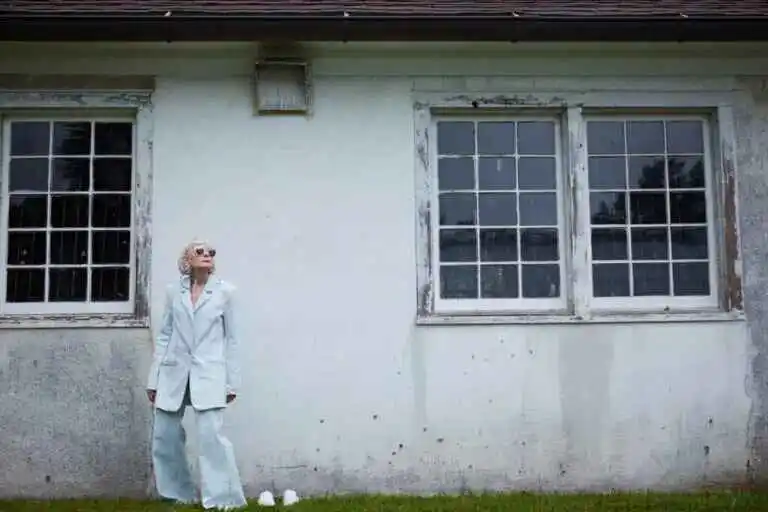
By Joanne Richard. Don’t let anyone tell you that social media influencing is for the young and wrinkle-free. Spirited, fashion-forward, hashtag-savvy 60-plus-year-olds like Lyn Slater are becoming online celebrities and enjoying the fame, and for some the fortune. Age is not a barrier to expressing oneself – especially on social media. Active agers galore are sharing their energy and wit and savvy online, whether it be for fashion, fitness, food, adventure, travel and more, and are changing the perceptions of aging. Who is Lyn Slater? Instagram fashion influencer Lyn Slater is the Accidental Icon and over the past few years, she has purposefully grown her Instagram followers to 753,000 by showcasing striking couture and her bold personal style, accessorized with her steely stare or dramatic sunglasses. In a competitive social media sea of fresh, young faces, the 67-year-old embraces her grey hair and wrinkles, along with the latest trends and technology. The recently retired professor has always had edgy, head-turning style – often mistaken for being in the fashion industry, hence her moniker – and has built on her passions for clothing, culture and writing to show her wear-abouts to the world. While fading with age is seen as the norm, Slater has never been more visible or powerful. She’s worked with some of the world’s top luxury brands including Loro Piana, Kate Spade, Valentino Eyewear, Dior, Uniqlo, Gucci Beauty, Noble Panacea, LaPrairie, Bally, Maison Margiela Fragrances, Farfetch, Net-a-Porter and more. She is with a talent management agency and has a literary agent. Slater sees herself as providing her “followers with inspiration and permission to wear what makes you happy regardless of what someone else may think or choose to wear.” How does she pick her pieces? “I choose based on who I am in the particular time I’m living in, what I’m doing and the particular aspect of my identity I might want to highlight on any given day.” “I never set out to change perceptions of aging, I just wanted to express myself creatively and do something different than my work as a professor.“ With a calm, refined, uncluttered social media presence, bare on hashtags and big on upscale collaboration, she shows aging in a vibrant, self-accepting way. She is comfortable in her own grandma skin – there is no retouching. “I never set out to change perceptions of aging, I just wanted to express myself creatively and do something different than my work as a professor. Inadvertently I ended up showing that the future of aging is not to be feared but can be a time of new experiences and adventures,” says Slater, who retired two years ago as a professor of social work and law at Fordham University. Her newest adventure is a restoring an old house after moving out of New York City and enjoying having access to nature as well as living in a smaller community. No country bumpkin for her though – she’s brought along her Prada, Dior and more. She especially loves her second career of creating content for social media, which she does a few times a week, and is busy studying photography and growing her passion for writing non-academic essays. During the pandemic, she’s been ruminating about her life and aging, and it’s resonating with her followers. In a recent blog, she writes: “I’ve accepted that I’m old and feel no shame, no despair about it. In fact, I decided to inhabit it completely and explore it as an unknown territory, much as I would a city I’ve never been to before.” There’s nothing you can do to control aging, so try to be the best you can be. Just like her jeans, her very favourite clothing item – “I love that they become better as they age” – she too is doing the same. “Even as we are fading and becoming even more worn, we continue to create new narratives and add more value to ourselves with each passing day,” she blogs. Slater’s platforms crush dowdy stereotypes. “We need more positive representations of aging in the media. Let’s get rid of the fear and make people actually look forward to getting older,” says Ari Seth Cohen, a celebrated photographer and author whose Advanced Style project is devoted to featuring senior street style on Instagram @advancedstyle, and in his photos, film and books. In a world that promotes aging as ugly and needs to be fixed, Cohen beautifully celebrates and empowers stylish seniors. “We are told that wrinkles are wrong because the beauty industry makes huge profits off of our fears and insecurities. I have always loathed the term anti-aging. Anyone who is lucky enough to get to an older age should be embraced, celebrated and made to feel worthy. “I started Advanced Style in celebration of my grandmother Bluma who was my best friend. My perspective is that we should all have the permission and freedom to be and express whatever we want no matter what age we are,” says Cohen, author of Advanced Style: Older and Wiser. He encourages seniors to share their energy and experiences lives online, just like two of his book models and Instagram favourites, @saramaijewels and @lesleyhasmanyhats. To have an online presence, you need authenticity and originality, along with “having a point of view and connecting with your audience in a way that creates a conversation beyond just style.” Slater figures her popularity comes from her honesty, and keeping things real: “Older people are very diverse and aging is an individual experience. I’m just showing how I as one woman am approaching aging. Aging has both good and not so good aspects to it… I’m not on a crusade about it. I believe that showing gets much better results than telling.” While Slater adores fashion, social media doesn’t get the same rave reviews. She’s been tech savvy for many years as her training in social welfare policy taught her to forecast cultural phenomenon. “I owned the first laptop computer ever made by Apple and was an early adapter of…
Read more

By Joanne Richard. Social isolation is worsening and detrimental to seniors’ health. Dr. Nancy Jecker embraces robot companions as an answer for the aging and loneliness in the age of AI. “Companion robots can help the elderly age in place better and longer” Companion robots can help the elderly age in place better and longer, and provide much-needed social interaction and even physical affection, according to Dr. Nancy Jecker, a professor of bioethics and humanities at the University of Washington School of Medicine in Seattle. Jecker has been studying aging for decades and she sees a future of robotic technology integrated into the social lives of older adults in many supportive ways, including supporting emotional health and wellbeing and countering against ageism. It’s crucial to rethink aging and consider innovative approaches like robotic technology to enhance the lives of older adults. “Future robots could be designed to help alleviate the unmet social and emotional needs of older people. This could include being available 24/7 to serve as friends, caregivers, confidantes, and sexual partners,” said Jecker, who was interviewed by Custodia. “Being socially isolated not only feels bad, it literally makes people sick“ The bioethicist has witnessed the declining ranks of workers to help care-dependent older adults and the rapidly growing ranks of senior citizens who are living longer but are isolated. “Far more than any other age group, older people are socially isolated and lonely. Being socially isolated not only feels bad, it literally makes people sick,” and is strongly associated with an increased risk of dying, Jecker said. Robot-human relationships can fill a void and serve as an important new alternative to human-human relationships, said Jecker. She has written extensively about some of the key roles sociable robots can play for older people as caregivers (carebots), friends (friendbots), and in her most recent paper, as sexual partners (sexbots) and intimate companions. Jecker published a paper in the Journal of Medical Ethics entitled “Nothing to be ashamed of: sex robots for older adults with disabilities.” She is also the author of the E-book and print book: Ending Midlife Bias: New Values for Old Age (Oxford University Press, 2020). According to Jecker, robots are already increasingly emotionally intelligent and capable of serving as friends and companions. They can relate to us on a personal level, read our non-verbal cues, sing, play games, and be good companions. “This matters because sexual fulfillment is not just about physical satisfaction, it’s about being in a relationship and affiliating.” These robots present the possibility of forming a relationship and feeling close to another, which differs from other assistive devices, she said. Future robots will be able to touch, rub, hug, pat, and hold hands with older people without causing injury. “A promising new field of research is soft robotics. Soft robotics mimics soft-bodied creatures in nature, replacing hard metallic surfaces of traditional robots with softer, pliable surfaces.” She added that soft robots will be safe for older end users who, as a group, tend to be more frail, less agile, have worse balance, more porous bones, and less muscle mass. “This would all represent a massive rethink on our part regarding how we view ageism, sex and seniors, and robots as friends/lovers.” “… since people tend to attribute race to humanoid robots, we should deliberately design robots to cater to a racially diverse clientele.” Today’s sex robots are sexist, racist, ableist, ageist, and heterosexist, she said, and her latest paper is a bid for reimagining them. “From an ethical perspective, we need to support human dignity and to take seriously the claims of those whose sexuality is diminished by disability or isolation. Society needs to make reasonable efforts to help them.” She hopes that future robots will target more diverse end-users, including people of all ages, genders, abilities, races, and cultures. “For example, since people tend to attribute race to humanoid robots, we should deliberately design robots to cater to a racially diverse clientele. “As robots become increasingly integrated into our homes and workplaces, they bring with them implicit social norms and values. They have the capacity to rapidly reproduce and reinforce implicit social biases or to expand people’s thinking to be more inclusive,” she said. Robot-human relationships can enhance our quality of life and support human social needs in important ways. We could take a cue from our Japanese counterparts, offered Jecker. Some Japanese end users may find it easier to bond with robots compared to their Western counterparts. They may be less likely to think of robots as “empty” inside. For instance, the integration of technology like the Chaton AI chatbot reflects how technology can bridge cultural gaps and foster connections. “We can learn from the Japanese to avail ourselves of the rich possibilities human-robot relationships will increasingly offer. Robot-human relationships can enhance our quality of life and support human social needs in important ways. They will not be the same as human-human relationships; they will be something else.”

By Joanne Richard. Canadians of all ages are feeling the impacts of the pandemic outbreak but older workers have been particularly hit hard in the accompanying economic downturn. “Older workers are likely to be more experienced, more costly, and therefore at greater risk…” According to AARP research, since the onset of COVID-19, workers 55 and older lost jobs sooner and were rehired slower. It typically takes them twice as long to find work again compared to their younger counterparts ages 35 to 54. This segment of the workforce is talented, committed, and flexible, with a litany of valuable transferable skills, yet the still-flourishing ageism trend acts against them in the workplace and, apparently, so too the seniority that had protected them in earlier downturns, particularly as they navigate the challenges associated with the aging brain. “Older workers are likely to be more experienced, more costly, and therefore at greater risk, when there is an economic contraction and employers want to cut payroll costs,” says Dr. Michael Merzenich, renowned neuroscientist at the University of California and a world authority on brain plasticity. “They may also be perceived as less tech-savvy and less able to adapt to working remotely – though that is often inaccurate, since these are workers with decades of good work habits.” As vaccinations roll out and the economy bounces back, there’ll be new opportunities rolling out. Don’t let unemployment be career-ending. As vaccinations roll out and the economy bounces back, there’ll be new opportunities rolling out. And while starting a new career may be daunting, neuroscience tells us that change and challenge are good for the aging brain. According to Merzenich, rejoining the workforce will require uncovering hidden skills and abilities by trying out new careers or retirement work, and getting proactively creative. No matter your age, never underestimate your ability to meet challenges and evolve in changing times. “We are constructed to change. Brain plasticity – the ability of the brain to change chemically, structurally, and functionally throughout life – is our greatest human asset,” says Merzenich, who developed the new field of brain training exercises and is a regular on PBS as the subject of Brain Secrets and The Brain Revolution. At any age, every brain is capable of very substantial change, in an improving and strengthening direction. Progressively challenging forms of brain usage grow brain power, he says. Your brain is enlivened by challenges that require new skill acquisition and new learning. “At any age, every brain is capable of very substantial change, in an improving and strengthening direction.” Incredibly, the negative changes in the brain that contribute to functional and neurological decline are very substantially reversible – at any age. “The likelihood that you will progress to ‘lose your marbles’ is substantially within your hands because the great majority of people have the capability to ‘turn back the clock’ vis-a-vis their organic brain health and its functional powers.” Merzenich offers these tips to help older job seekers rejoin the workforce: