Now booking for Spring 2025 – Call 1-833-410-4357 or Book Online!


What fertilizer to use for fall in Ontario? In Ontario, the climate plays a crucial role in the health and growth of lawns. As the seasons change, so do the needs of your lawn. Fall is a pivotal time for lawn care, especially as harsh winter conditions approach. During this period, the grass prepares for dormancy. Without proper care, lawns can suffer from stress, disease, and pests. Neglecting your lawn in the fall can lead to problems that compound over the winter. Moreover, homeowners, especially seniors and families new to the area, often overlook the importance of fall fertilization. Choosing the right fertilizer can significantly impact your lawn’s health. Fertilizers provide essential nutrients that enhance root development and improve overall resilience. In particular, high-potassium fertilizers are vital as they help your lawn survive the winter months. However, many homeowners may not recognize common signs that their lawns need attention. When To Apply Fall Fertilizer In Canada? Here are 11 Signs That Your Lawn Needs Attention: 1. Yellowing Grass Have you noticed patches of yellow creeping into your once-vibrant lawn? This color change often signals nutrient deficiencies, particularly nitrogen. Yellowing can also indicate overwatering, which suffocates roots. Recognizing this early can save your lawn from further stress. 2. Bare Patches If your lawn resembles a jigsaw puzzle with missing pieces, it may be time to investigate. Bare patches can arise from soil compaction, disease, or inadequate seed germination. Left untreated, these areas can lead to more extensive lawn damage. 3. Weak Growth Does your grass seem to be struggling to stand tall? Weak growth can indicate underlying issues, such as poor soil conditions or insufficient fertilization. A robust lawn should thrive with the right care. If yours isn’t, it’s time to assess what’s holding it back. 4. Thinning Grass A lush lawn is an inviting space, but thinning grass can make your yard look neglected. If you notice sparse areas, competition from weeds might be the culprit, along with improper watering and feeding practices. Taking action now can help rejuvenate your lawn before it becomes a bigger problem. 5. Weed Overgrowth Weeds are more than just a nuisance; they can choke out your grass and steal vital nutrients. If your lawn is overrun with weeds, it’s a sign that your grass is weak and struggling to compete. Addressing this imbalance promptly can restore your lawn’s health and beauty. 6. Increased Pest Activity Have you spotted more bugs than usual in your yard? Increased pest activity, such as grubs or beetles, can lead to significant lawn damage if not addressed quickly. Regular monitoring can help you catch these issues before they escalate, ensuring a healthier lawn. 7. Fungal Growth If you’re seeing mushrooms pop up unexpectedly, it’s more than just an eyesore. Fungal growth often indicates excessive moisture or a thatch problem. Ignoring these signs could lead to more severe issues, such as root rot, making it crucial to address the underlying causes. 8. Dull Color A vibrant green lawn is a source of pride for many homeowners. If your lawn is lacking vibrancy, it may be stressed due to insufficient nutrients or water. Reviving your lawn’s color is possible with the right care and timely intervention. 9. Footprints Remain When footprints linger long after you’ve walked on the grass, it’s a clear sign of compaction. This can prevent roots from absorbing water and nutrients effectively. Aeration can help relieve compaction, allowing your lawn to breathe and thrive. 10. Localized Soggy Areas Puddles forming in your yard? This could indicate drainage problems that may lead to root rot if left unchecked. Identifying and addressing these issues promptly can prevent extensive damage to your lawn. 11. Cracked Soil Are you seeing cracks in the soil? This may indicate drought stress, revealing that your lawn is not receiving enough water. Monitoring moisture levels and adjusting your watering schedule can help your lawn recover. Therefore, paying attention to these indicators and hiring a professional lawn maintenance company like Custodia can make all the difference. Proper fall fertilization can prepare your lawn for a healthy start in spring. What Type of Fertilizer Is Best for Fall in Canada? Choosing the right fertilizer for your lawn during the fall is crucial for maintaining a healthy, resilient lawn, especially in Canada, where winter can be harsh and unforgiving. As the weather cools, your lawn’s growth patterns shift, and its nutrient requirements change. The focus should now be on strengthening the roots to prepare for the upcoming cold season. This is where slow-release and high-potassium fertilizers come into play. Slow-release fertilizers provide a steady supply of nutrients over an extended period, ensuring that your lawn remains nourished as it enters dormancy. This gradual feeding mimics natural processes, making it easier for the grass to absorb what it needs without being overwhelmed. On the other hand, high-potassium fertilizers are known for their ability to boost root strength, enhance water retention, and improve disease resistance, which are all crucial factors for lawns facing the impending frost. Think of potassium as a winter shield for your lawn, fortifying it against the damage caused by cold temperatures and heavy snowfall. Key Advantages of Fall Fertilizers 1. Slow-Release Fertilizers 2. High-Potassium Fertilizers Choosing the right combination of slow-release and high-potassium fertilizers can be the key to giving your lawn the edge it needs to thrive come spring. NPK Ratios for Fall Fertilizers When navigating the fertilizer aisle, you might notice numbers like 10-0-20 or 24-0-12 on the packaging. These represent the NPK ratio, indicating the percentage of Nitrogen (N), Phosphorus (P), and Potassium (K) in the product. Understanding these ratios can help you make more informed decisions about what your lawn needs during the fall. In general, fall fertilizers should contain lower nitrogen levels because rapid grass growth is not the goal. Instead, you want the lawn to focus on root development and preparing for winter dormancy. High-potassium content in these fertilizers strengthens the root system, making it more adept at withstanding the stress…
Read more
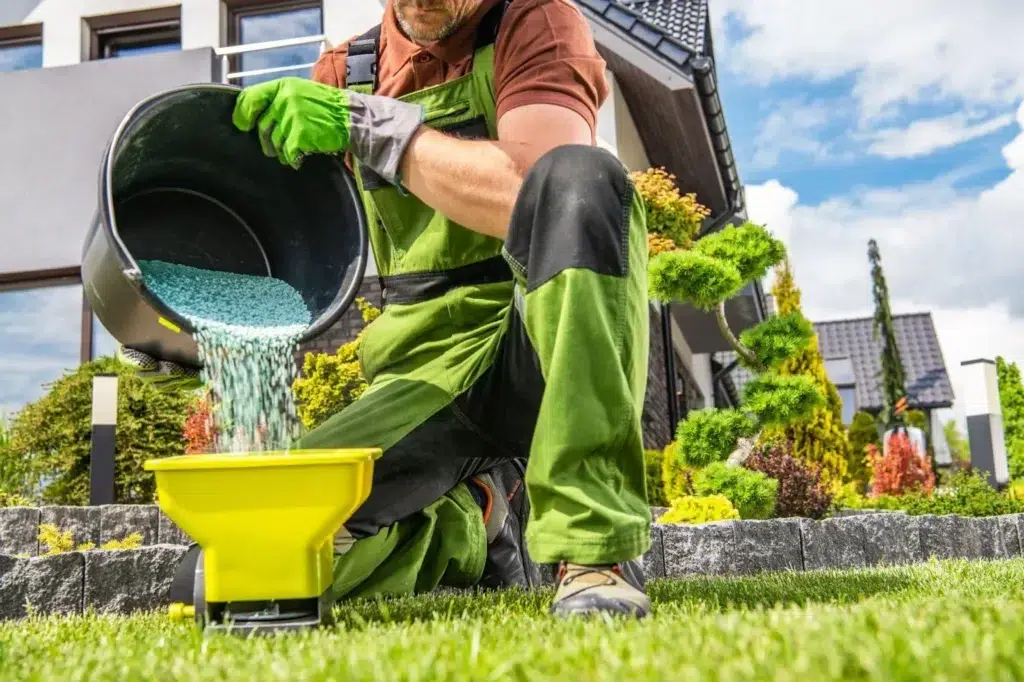
Ontario’s climate greatly influences how well lawns grow and stay healthy throughout the year. The fluctuating temperatures and unpredictable weather patterns, especially during autumn, present unique challenges for lawn care. As summer fades, lawns often show signs of stress—bare patches, thinning grass, or a faded color. These are clear indicators that the lawn is struggling to recover from summer’s heat and dry conditions. Without proper autumn care, your lawn could become more vulnerable to diseases, weeds, and pests, setting the stage for a lackluster appearance next spring. Autumn is the ideal time to restore and prepare your lawn for the winter ahead. Neglecting lawn care now means your grass will enter the cold months weakened and less able to thrive. Hiring a professional lawn maintenance service, like Custodia in Ontario, helps avoid these risks. Our experts understand the specific needs of lawns in this region and can apply the right treatments at the right time to keep your grass healthy and resilient. Check our list of areas we serve across Canada and contact us for a free professional consultation and quote for fertilizing your lawn in autumn . Why Autumn Fertilization Matters For Lawns In Ontario Fertilizing in autumn isn’t just about a quick fix for your lawn’s current condition; it’s about long-term care. The right fertilizer provides nutrients that promote root growth, allowing the lawn to store energy for winter. Think of autumn fertilization as a protective measure, helping the grass survive the harsh winter months and come back stronger and greener in the spring. However, not all fertilizers are created equal. For instance, slow-release nitrogen fertilizers are excellent for providing steady nourishment over time, while organic fertilizers can significantly improve the soil’s health and structure. Choosing the best fertilizer depends on your lawn’s unique condition and requirements. Here are 4 Signs Your Lawn Needs Attention Often, homeowners don’t realize their lawn needs help until it’s too late. Here are some common signs that suggest it’s time to consider autumn fertilization: A sign of stress, often caused by nutrient deficiency or soil compaction. Grass begins to thin out, leaving vulnerable bare spots. If your lawn’s rich green color has turned yellowish or dull, it could be a sign that your soil lacks essential nutrients. When grass is weak, weeds have an easier time taking over. Weeds can compete with grass for vital nutrients and sunlight, making the problem worse. Over time, soil becomes dense, making it difficult for nutrients and water to reach the roots. Autumn aeration can help alleviate this issue. Addressing these signs through proper fertilization can dramatically improve your lawn’s health and its ability to survive winter conditions. Autumn is not just an opportunity but a necessity for preparing your lawn to withstand Ontario’s winter. So, What Is The Best Lawn Fertilizer For Autumn? Selecting the right fertilizer during autumn is crucial for ensuring that your lawn stays healthy and vibrant through Ontario’s harsh winter months. As autumn progresses, grass growth slows, but root activity remains strong. This is the optimal time to focus on nourishing the roots, strengthening your lawn’s foundation for winter survival. Applying the appropriate fertilizer now can make a significant difference in the lawn’s resilience and appearance next spring. When you choose the right fertilizer, you not only improve your lawn’s immediate health but also set it up for long-term success. What Type of Fertilizer Should I Use in Autumn? Let’s explore which fertilizers are ideal for autumn use in Ontario, and how each type can benefit your lawn. 1. Slow-Release Nitrogen Fertilizers for Gradual Feeding For early autumn, slow-release nitrogen fertilizers are highly recommended. These fertilizers release nutrients gradually over time, providing consistent nourishment to the lawn without overwhelming it. This slow, steady feeding supports a healthy, deep root system that can withstand winter stresses. Unlike fast-acting fertilizers that may stimulate rapid top growth, slow-release options help maintain balanced growth, focusing on strengthening the roots, which are essential for a resilient lawn. Steady Nutrition Provides nutrients over an extended period, which keeps the lawn fed continuously, reducing the risk of sudden growth spurts that can weaken grass blades. Lower Risk of Burn The gradual release helps prevent the “burning” effect that can occur with some fast-acting products, especially during periods of fluctuating autumn temperatures. Enhanced Soil Health Slow-release fertilizers are often more beneficial for soil structure, as they promote microbial activity, which supports long-term soil health and fertility. Homeowners in Ontario who want to maintain a lush, green lawn year-round should consider incorporating slow-release nitrogen fertilizers in their early autumn lawn care routine. This approach provides the lawn with just the right amount of nourishment to thrive without encouraging rapid, unsustainable growth. 2. The Role of Quick-Release Nitrogen Later in the Season As the season transitions toward winter, applying a quick-release nitrogen fertilizer can be advantageous. These fertilizers offer a fast-acting solution to give your lawn a boost just before the colder months set in. This is especially beneficial for supporting root growth and giving the grass enough strength to endure winter’s freezing temperatures. Using a quick-release fertilizer in late autumn provides immediate access to nutrients, ensuring that the lawn remains healthy even as the ground begins to harden. Immediate Nutrient Availability Quick-release fertilizers are quickly absorbed by the grass, providing an instant nutrient supply that stimulates root growth when it is needed most. Rapid Green-Up They encourage a quick “green-up” effect, making your lawn look healthier and more vibrant before winter arrives. Ideal for Late Season Use If you’ve neglected lawn care earlier in autumn, a quick-release fertilizer can help compensate for the missed nutrients, providing critical support as the lawn heads into winter dormancy. Using quick-release nitrogen fertilizers strategically can enhance your lawn’s ability to withstand Ontario’s winter challenges. It’s a practical choice for homeowners who may not have the time for more gradual fertilization earlier in the season. 3. Organic vs. Synthetic Fertilizers When choosing between organic and synthetic fertilizers, it’s important to weigh the pros and…
Read more
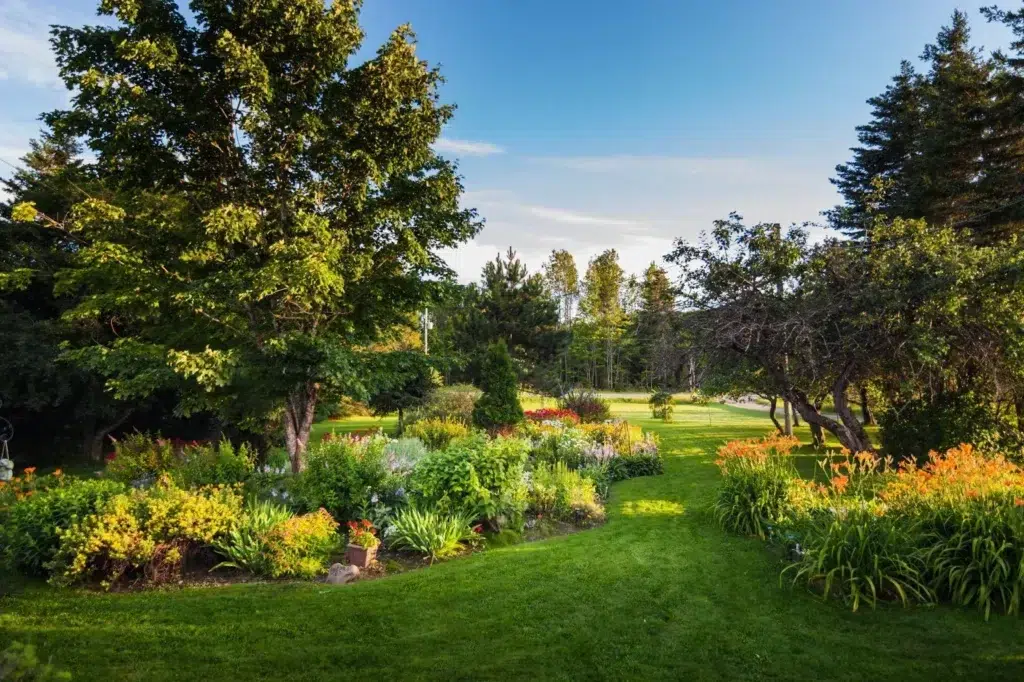
Having trouble designing your front yard landscape and making it usable? Imagine stepping out of your home into a beautifully designed front yard that welcomes you and your guests. A well-planned front yard can offer more than just visual appeal; it creates a vibrant space for outdoor gatherings, relaxation, and even play for children. Whether you envision hosting summer barbecues with friends or simply enjoying a peaceful evening with a book, the possibilities are endless. Even if your front yard is on the smaller side, there are countless ideas to explore. Working with a professional landscaping company in Ontario like Custodia can help you maximize your space and enhance your home’s curb appeal. A thoughtfully landscaped front yard not only increases property value but also positively impacts your well-being. Studies have shown that green spaces can reduce stress, improve mood, and promote a sense of community. However, landscaping in Ontario presents unique challenges. The local climate demands careful selection of plants that can thrive throughout the seasons. Start by incorporating a well-defined walkway that guides visitors to your door. This adds functionality and invites people in. Choose native, low-maintenance shrubs and flowers that are adapted to our climate. For a touch of elegance, consider adding a small water feature that attracts birds and provides soothing sounds. Don’t forget a decorative mailbox garden—it’s a small detail that can make a big impact. At night, use landscape lighting to enhance your outdoor space, creating an inviting atmosphere for evening gatherings. Here is a list of areas we serve across Canada. For a personalized approach, contact us today for free quotes. Take advantage of our competitive pricing plan and special discounts, particularly for seniors and bundled services. What Landscaping Ideas Maximize Small Front Yards in Ontario? Transforming a small front yard into a functional and aesthetically pleasing space can be both exciting and challenging. With limited square footage, every element must serve a purpose while enhancing curb appeal. Imagine stepping outside your home into a beautifully landscaped area that welcomes guests and provides a peaceful retreat. To maximize your small front yard, consider key landscaping ideas that not only beautify but also create a welcoming environment. Key Elements to Consider: 1. Walkways A clear pathway leading to your front door is essential. Use materials like stone, gravel, or concrete to make it accessible and inviting. This small touch enhances usability and guides guests seamlessly while creating an organized flow. 2. Plant Selection Choosing native Ontario plants suited to the climate is crucial. Opt for shrubs, perennials, and flowering plants that require minimal care. These plants thrive in local conditions and contribute to biodiversity, making your yard a haven for pollinators. 3. Water Features Adding a small pond or fountain creates a soothing ambiance that can transform your outdoor space. The sound of flowing water can be calming and add a unique focal point that draws the eye, creating a peaceful environment where you can unwind. 4. Mailbox Garden Brighten up your mailbox area with colorful flowers and ornamental grasses. This small detail creates visual interest and adds character to your property, turning an often-overlooked area into a charming focal point that enhances your home’s appeal. 5. Lighting Incorporate solar-powered pathway lights to illuminate your walkway at night. This not only enhances safety but also adds a warm glow that invites guests to your door. Well-placed lighting can create a magical atmosphere that extends your enjoyment of the outdoors into the evening. 6. Ornamental Grasses Utilize ornamental grasses to soften harsh lines and add texture to your yard. These plants sway gently in the breeze, creating movement and interest while requiring little maintenance. Creative Uses for Small Front Yards 1. Adding a Small Seating Area or Bistro Set Consider incorporating compact furniture that fits well in your small front yard. Bistro sets are perfect for enjoying morning coffee or evening chats with neighbors. Opt for weather-resistant materials to ensure durability. This small investment can create a cozy nook where you can relax and connect with your surroundings. 2. Vertical Gardening Techniques for Small Spaces Maximize vertical space by using wall-mounted planters or hanging baskets. This innovative approach allows you to grow flowers and herbs without sacrificing floor space. Imagine lush greenery climbing your walls, adding color and life to your home’s exterior while providing fresh ingredients for your meals. 3. Using Multi-Purpose Elements Like Planters with Seating Look for items that serve dual functions, such as planters that double as seating. These multifunctional pieces save space while providing additional functionality, creating a versatile area that can accommodate guests or serve as a personal retreat. Can I Create a Vegetable Garden in My Front Yard? Creating a vegetable garden in your front yard is not just a practical choice; it’s a lifestyle enhancement that can transform your home into a vibrant oasis. Imagine stepping out of your front door and into a lush landscape filled with the bright colors of fresh produce. Picture yourself picking ripe tomatoes or aromatic basil, all while knowing that you’re contributing to your family’s health and well-being. This kind of access to fresh, organic food is not only rewarding but also connects you with the rhythms of nature right in your own yard. However, establishing a successful vegetable garden requires careful planning and execution. To ensure a flourishing garden, you’ll need to consider several key factors, including layout, plant selection, and sunlight exposure. Let’s explore these elements in more depth. Planning Raised Beds or Container Gardens When space is at a premium, raised beds and container gardens can be your best friends. They offer numerous advantages, including better soil control and drainage, which significantly enhances plant health. By raising your garden beds, you can customize the soil mix to suit the specific needs of your plants. This means less weeding, better pest control, and the added bonus of reducing the strain on your back while gardening. Moreover, container gardens allow for flexibility; you can move them around to find the…
Read more
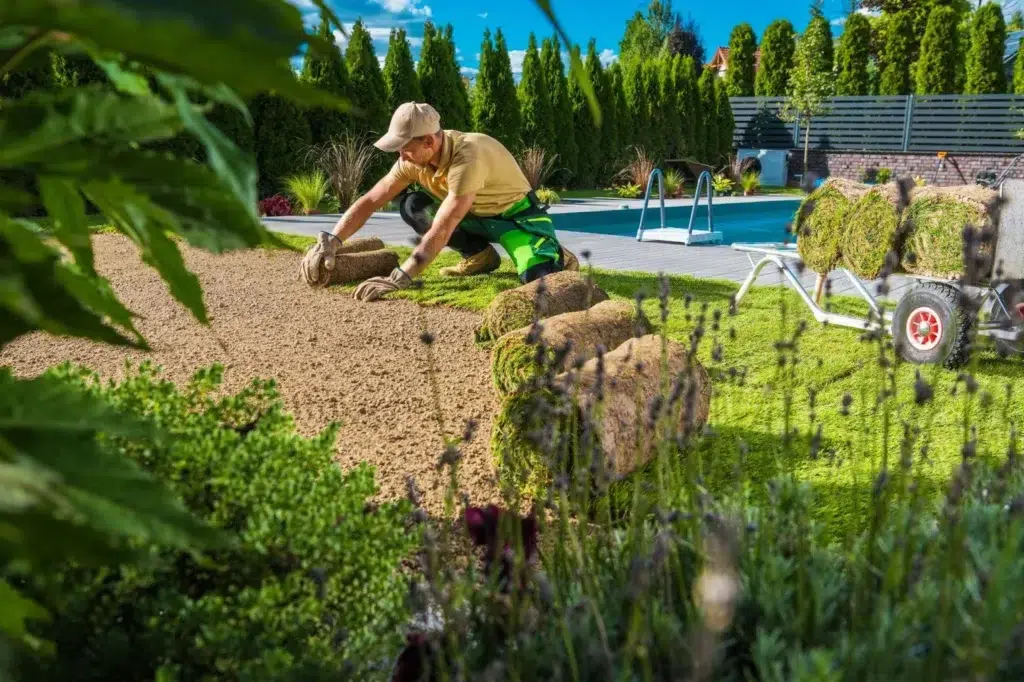
A beautifully designed landscape can transform the curb appeal of your property, making it stand out and increasing its overall value. In Ontario, where the natural environment enhances every season, a well-constructed front yard is more than just decoration—it’s an investment. The right mix of plants, trees, flowers, and lawn choices, whether natural or artificial, can make your home the talk of the neighborhood. It boosts property value and gives a welcoming feel to anyone who visits. More homeowners, particularly seniors, are realizing that landscaping not only enhances the aesthetics of their property but also contributes to their well-being. A carefully planned front yard can become a place of relaxation, improving mental health (and overall well being) and providing a peaceful space to enjoy the outdoors. However, creating a beautiful landscape doesn’t have to cost an arm and a leg. With the right landscaping and home management company in Ontario like Custodia by your side, you’d be surprised at how much you can achieve without breaking the bank. At Custodia, we specialize in low-maintenance front yard landscaping that suits the unique needs of homeowners in Ontario. Our team understands that maintaining a beautiful yard can be overwhelming for many, which is why we focus on offering affordable, high-quality landscaping services. Here are some other complementary services we provide: Ensure your outdoor structures are in top condition year-round, enhancing the look and feel of your yard. PS: Read Our Latest Article On How To Stain Your Deck And Fence In Hamilton, Ontario and Elevate Your Outdoor Space Effortlessly! Keep trees and hedges healthy and looking great with regular care that improves the overall landscape design. Transition your yard smoothly between seasons with thorough cleanups and specialized care for fall, spring, and summer. We offer regular mowing, edging, and fertilization services to ensure your lawn stays lush and well-manicured without the hassle. Prevent invasive weeds and pests from ruining your yard with our eco-friendly control solutions. Save time and water with smart irrigation systems that provide efficient watering to your plants, ensuring they thrive without overuse of resources. We evaluate your soil and provide necessary fertilization to promote healthy plant growth, reducing the need for frequent upkeep. Maintaining your front yard doesn’t have to be a stressful task. Our Home Management Plan includes all these services and more, making it easier to keep your property looking beautiful all year round. This comprehensive plan is especially valuable for seniors and busy homeowners who want their landscape to be a source of pride, not a source of stress. We also offer special discounts and bundle pricing when you combine services. Don’t forget to check out the list of areas we serve across Ontario, Canada! By choosing Custodia, you’re not just getting a landscape; you’re getting peace of mind and a beautiful home that shines without demanding constant care. What Are Low-Maintenance Landscaping Elements For Ontario? When it comes to low-maintenance front yard landscaping in Ontario, the focus should be on practicality and aesthetic appeal. You want your front yard to enhance your home’s curb appeal without demanding too much of your time. Whether you’re interested in native plants, ground covers, or even artificial turf, it’s crucial to choose elements that are easy to manage and suited to Ontario’s unique climate. Native Plants That Thrive Native plants are the cornerstone of low-maintenance landscaping. These species are already adapted to local weather conditions, pests, and soil types, making them ideal for Ontario’s varied climate. They establish quickly and once rooted, require minimal watering or care. Hostas Great for shaded areas, Hostas offer large, lush leaves and require little more than the occasional trim. Daylilies These bright, hardy flowers can thrive with little intervention, making them perfect for busy homeowners looking for a pop of color. By planting native species, you’ll reduce the need for fertilizers and pesticides, creating a healthier and more sustainable landscape. Ornamental Grasses for Texture Ornamental grasses add structure and movement to your front yard while demanding minimal attention. They are drought-resistant and require little more than seasonal trimming to look their best year-round. Feather Reed Grass Ideal for adding height and texture, this grass is known for its upright structure, which stays resilient even in harsh conditions. Blue Fescue A compact, low-growing grass that adds soft, blue-green hues to your yard without constant upkeep. These grasses can transform the look of your front yard while saving you time on regular lawn maintenance. Is Artificial Turf a Good Option for Low-Maintenance Landscaping in Ontario? When considering artificial turf versus natural grass for low-maintenance landscaping in Ontario, each option has its strengths and weaknesses. Homeowners often weigh the long-term benefits of one over the other to make informed decisions that align with their lifestyle and budget. Let’s break down these two options to help you decide which might be best for your yard. 1. Natural Grass: The Traditional Choice Natural grass has been a landscaping staple for generations, offering a natural and cooling aesthetic. However, it comes with its own set of challenges: Maintenance Natural grass requires regular mowing, watering, fertilizing, and pest control. This means weekly attention, especially in the summer when grass grows rapidly. Environmental Benefits Grass helps absorb carbon dioxide, improves air quality, and provides a habitat for wildlife. However, maintaining a lush lawn consumes significant water, especially during Ontario’s summer months. Seasonal Changes Grass tends to go dormant in the winter, leaving your yard brown and less visually appealing for months at a time. Rejuvenation in the spring can require additional care, like reseeding or aeration. 2. Artificial Turf: The Low-Maintenance Alternative Artificial turf, on the other hand, is increasingly popular for homeowners looking to cut down on lawn maintenance. Here’s what it offers: No Watering, No Mowing Artificial turf eliminates the need for watering, mowing, and fertilizing. It stays green year-round, regardless of the weather. Cost-Effective in the Long Run Although artificial turf comes with a higher initial installation cost, it saves on water bills, equipment, and lawn…
Read more
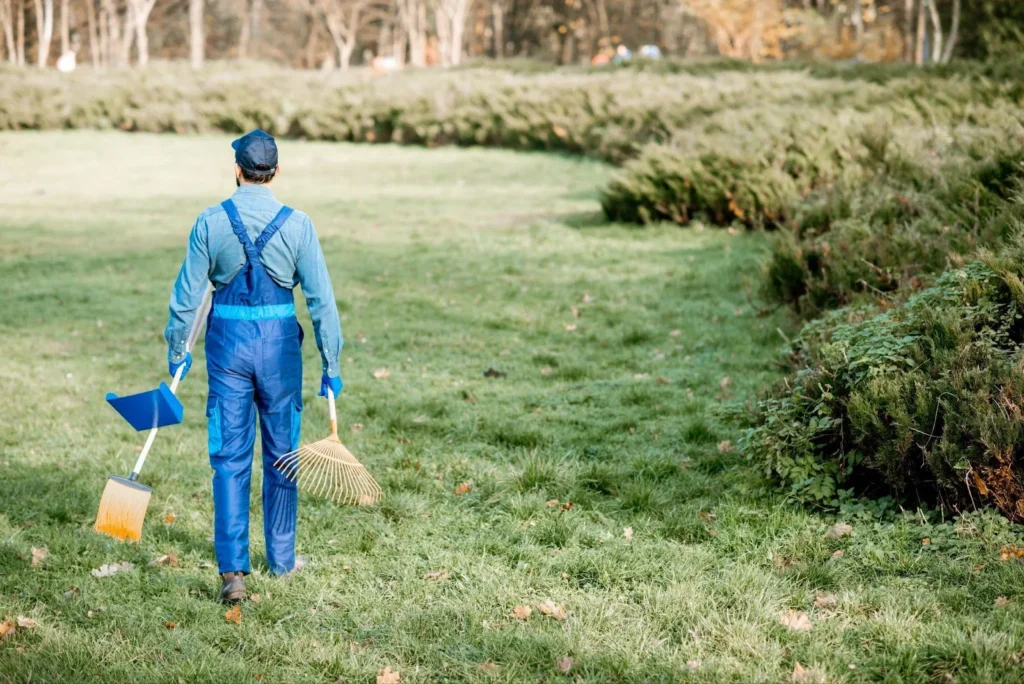
Ever wondered, “How can I clean my backyard fast in Ontario?” Let’s face it—backyard cleaning, especially at the end of a busy week, can be exhausting. While a tidy yard is fulfilling, keeping up with lawn and garden care can feel like a never-ending task. With Ontario’s seasonal changes bringing everything from fallen leaves to heavy snow, yard maintenance becomes more than just lawn care. It can include window cleaning, deck repairs, snow removal, and even gutter cleaning. Plus, there’s always the risk of handling gardening tools improperly or suffering trips and falls while tackling these chores yourself – instead of hiring a professional. But the good news is, it doesn’t have to be this hard. You can clean your backyard fast without breaking a sweat or losing quality time with your loved ones. Hiring a professional yard maintenance company like Custodia can be a game-changer. It’s a smart investment that not only saves time but also helps prevent potential injuries, giving you peace of mind. Imagine no longer worrying about the state of your yard—just relax and know the job is done right. At Custodia, we offer comprehensive yard maintenance services across Ontario. Here is a list of areas we serve across Ontario. Whether you’re a senior, a busy family, or managing rental properties, our services cover everything from lawn care and snow removal to window cleaning and fence repair. Our Home Management Plan offers excellent value with affordable rates that make professional yard care an easy choice. Why is a Clean Backyard Important? 1. Health & Safety A messy yard can pose serious safety risks. Leaves, snow, and debris can cause trips and falls. 2. Boost Curb Appeal A well-maintained backyard instantly enhances your property’s value and appearance. 3. Save Time Professional services free you from weekend yard chores, giving you time for what matters most. The Benefits of Regular Backyard Maintenance? 1. Year-Round Tidy Yards Ontario’s harsh winters and leaf-filled autumns can make regular cleanups essential to keeping your outdoor space in shape. 2. Prevent Costly Repairs Keeping up with maintenance tasks like fence repairs or gutter cleaning can prevent expensive damage later on. 3. Invest in professional yard maintenance today! Contact us for a free professional consultation and to learn more about our Home Management Plan that saves you time, money, and hassle. What Tools Do I Need to Clean My Backyard Fast? Cleaning your backyard efficiently requires the right tools and a smart approach. With proper planning, you’ll save both time and effort, leaving your outdoor space in great shape. While it may seem tempting to tackle everything yourself, it’s essential to weigh the benefits of DIY versus hiring professionals for yard cleanup in Ontario. Having access to the right tools will streamline the process and make it easier, but you need to consider the complexities and risks involved. For routine yard cleanup, having these tools on hand is crucial for maintaining your backyard: 1. Lawn Mower & Weed Trimmer Keeping your grass at the ideal length is essential for lawn health. A lawn mower will quickly cover large areas, while a weed trimmer takes care of smaller, hard-to-reach spots along fences and flower beds. 2. Garden Rake & Leaf Blower While a rake can help you gather leaves and debris, a leaf blower speeds up the process dramatically, clearing larger areas in much less time. 3. Pressure Washer Patios and decks accumulate dirt, grime, and mildew over time, and a pressure washer makes cleaning these surfaces faster and more thorough than manual scrubbing. 4. Multi-purpose Cleaner Spraying down outdoor surfaces, like garden furniture and decorative elements, with a multi-purpose cleaner ensures they’re pristine and ready for outdoor enjoyment. For more challenging yard maintenance tasks, specialized equipment is necessary to get the job done efficiently and safely: 5. Gutter Cleaning Tools Gutters can easily become clogged with leaves and debris, leading to water damage. Specialized gutter tools let you reach difficult spots without needing a ladder, but it can still be risky. 6. Snow Blower Ontario winters bring heavy snow, and clearing it with a shovel can be exhausting. A snow blower makes fast work of large snow accumulations, reducing the strain on your body. 7. Power Tools for Repairs Whether you’re fixing fences or repairing decks, power tools simplify the process, but handling them improperly can cause damage or injury. 8. Hedge Trimmer Maintaining neatly trimmed hedges and trees is crucial for curb appeal. A hedge trimmer speeds up this process, but larger trees may require professional attention. Should You Hire a Professional For Backyard Cleanup in Ontario? While cleaning your yard yourself may seem cost-effective, professionals like Custodia offer many advantages that can’t be ignored. They come equipped with advanced tools and expertise, eliminating the risk of injury, saving you valuable time, and guaranteeing high-quality results. PS: Yard cleanup is not just about tidying; it’s about ensuring the long-term health of your outdoor space. Outsourcing a physically demanding job allows you to focus on areas of your life that matter more, reducing anxiety and giving you peace of mind. See Our Latest Article On What Is Included In Yard Clean Up in Ontario. What Are 5 Dangers of DIY Yard Cleanup? Yard work can involve heavy lifting, sharp tools, or operating equipment like mowers and trimmers. DIY tasks may expose you to potential injuries like cuts, strains, or falls, especially if you’re not experienced. Improper use of tools can damage your lawn, garden structures, or even outdoor furniture. A novice might harm delicate plants, structures, or irrigation systems when attempting to clean up. Tasks like snow removal or extensive raking can lead to back pain, muscle fatigue, or worse. Seniors or individuals with existing health conditions are particularly at risk when performing strenuous outdoor labor. Overgrown yards can harbor pests and insects. Without the right protective gear or knowledge, you might encounter harmful plants like poison ivy or pest infestations that require professional attention. With limited experience or the wrong tools, you might…
Read more
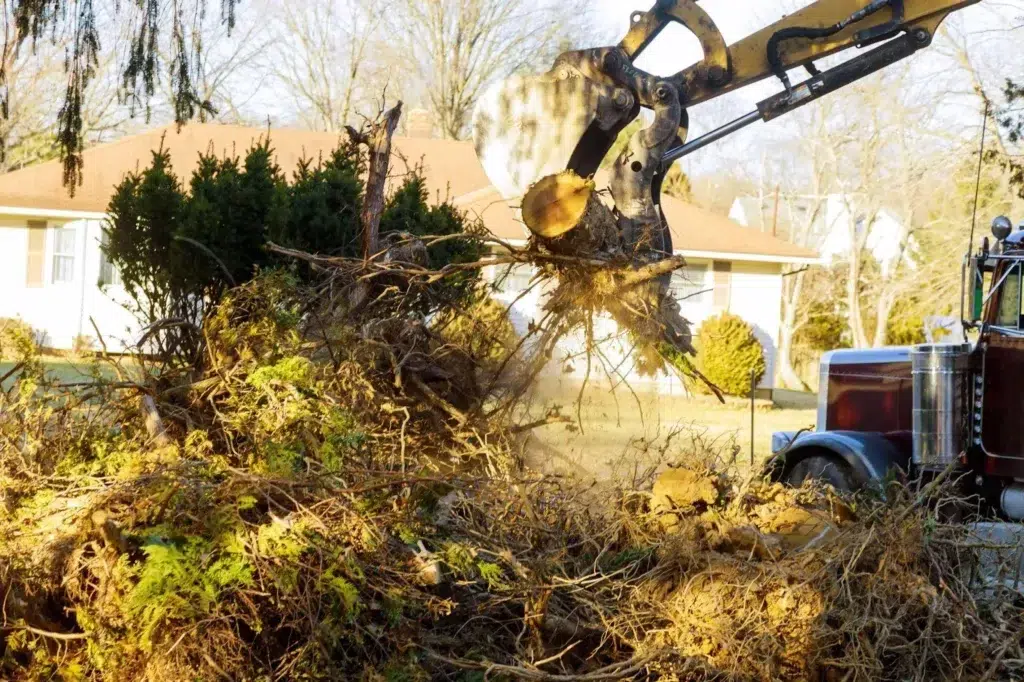
Ever wondered why your yard cleanup is so important, especially for your health and well-being? Think about it. A cluttered yard can be more than just an eyesore. It can pose serious risks like falls, trips, and even injuries—particularly for seniors. Those small branches scattered around or overgrown pathways can quickly turn into hazards. And with Ontario’s climate, especially after a harsh winter, yard cleanup becomes more than just a chore; it’s essential for ensuring the safety and comfort of everyone in the household. Yard cleanup isn’t just about keeping up appearances; it’s about maintaining a healthy living environment. Many homeowners tend to overlook this, thinking it’s not as pressing as indoor chores. However, consider this: routine yard maintenance not only prevents accidents but also supports overall well-being. For seniors, the importance of a safe, clean yard is even higher. They face higher risks of trips and falls, which could lead to worsened health conditions. A regular cleanup routine can help mitigate these hazards. Now, we understand life gets busy. Whether you’re managing a hectic work schedule or simply don’t want to lose sleep over the mounting outdoor tasks like leaf removal, fixing fences, or dealing with leaky faucets, having a reliable home maintenance plan can be a game-changer. Custodia’s comprehensive home management services can take care of it all—from seasonal yard cleanups to snow removal—keeping your property in top condition year-round. With services like deck and fence repair, window cleaning, and even gutter cleaning, you won’t have to worry about these time-consuming tasks anymore. So why wait? Reach out today for a free professional consultation, get a customized yard cleanup plan, and bundle services for discounts—especially if you’re a senior. What Should Be the First Step in Yard Cleanup? When starting a yard cleanup, especially in Ontario where the climate can cause significant seasonal wear and tear, the most important first step is removing debris. This involves clearing fallen branches, dead leaves, twigs, and other organic matter that may have accumulated over time. This step is critical because it sets the foundation for all subsequent tasks by making the space safer and easier to maintain. Debris removal is essential for various reasons: The Complete Yard Cleanup Checklist (7 Steps for a Perfect Yard) Once debris removal is complete, you can proceed with the following steps to ensure your yard is well-maintained throughout the year: 1. Trimming Trees and Shrubs Trees and shrubs, when left untrimmed, can grow excessively and become hazardous. In Ontario, where high winds and heavy snow are common during winter, overgrown branches may break off, causing damage to property or even injury. Regular trimming ensures these risks are minimized and your yard remains tidy. Additionally, trimming improves the aesthetic appeal by shaping plants, making them look more uniform. 2. Lawn Care: Grass Cutting and Fertilizing Ontario’s harsh winters can leave lawns looking dull and patchy. Mowing the grass is one of the most effective ways to kickstart its growth after the snow melts. Fertilizing after cutting will give the lawn essential nutrients to recover from dormancy and ensure robust growth during the warmer months. 3. Gutter and Roof Cleaning Leaves, dirt, and other debris can clog gutters and cause water to overflow, potentially leading to severe water damage to your home’s foundation or roof. Cleaning gutters is especially important after winter in Ontario, where snow and ice buildup may exacerbate the problem. 4. Power Washing Services Power washing is an effective method to clean dirt, grime, and mold that builds up on exterior surfaces like patios, driveways, and decks. This is especially useful in Ontario, where seasonal changes can leave a layer of residue after winter. Power washing not only enhances the appearance of your yard but also prevents long-term damage to surfaces. 5. Deck and Fence Repair Ontario’s freeze-thaw cycles can wreak havoc on wood structures like decks and fences, causing warping, cracking, or even rotting. Early spring is the perfect time to inspect for damage and make repairs before the weather worsens. Fixing small issues promptly can prevent bigger, more costly repairs later on. 6. Window and Door Repair Windows and doors play a critical role in your home’s energy efficiency, especially in Ontario, where winters can be brutally cold. Checking for cracks, broken seals, or drafts and making necessary repairs will help maintain a comfortable indoor temperature and reduce heating costs. 7. Seasonal Planting and Mulching After the initial cleanup, planting seasonal flowers and shrubs is a great way to brighten up your yard and prepare for the growing season. Adding mulch helps retain moisture and regulate soil temperature, creating the ideal environment for plants to thrive. Mulching also suppresses weeds, reducing the need for chemical treatments. When Is the Best Time to Start Yard Cleanup in Ontario? (Spring or Fall) In Ontario, the debate between starting your yard cleanup in spring versus fall often hinges on the specific needs of your garden and your long-term maintenance goals. Both seasons come with their pros and cons, and understanding when to start can save you time, effort, and money in the long run. 1. Spring Cleanup Spring yard cleanup in Ontario sets the stage for a thriving growing season. As temperatures warm, the snow melts, revealing debris and dead plant material that has accumulated over winter. Cleaning up during this time ensures that your yard is ready for healthy growth during the warmer months. Benefits of Spring Cleanup Cleaning up in spring removes dead grass, fallen leaves, and debris, which allows new plants to take root and grow without being hindered. Spring cleanup helps get rid of hiding places for pests that thrive in the cold, such as grubs and beetles, reducing their numbers when summer comes. A thorough cleanup removes rotting plant material that can lead to fungal diseases, ensuring your lawn and plants stay healthy. Removing compacted debris allows the soil to breathe and absorb nutrients more effectively. This, combined with spring fertilization, leads to a more vibrant lawn. However, starting in spring…
Read more
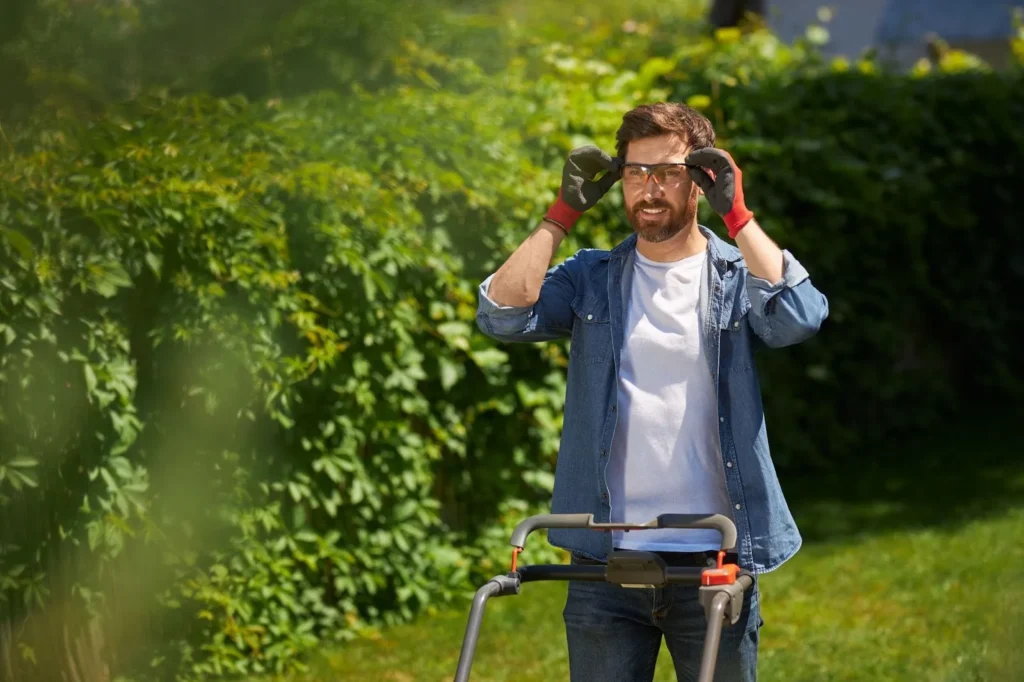
Ever wondered “Is my landlord responsible for more than just lawn care?” Yard maintenance goes beyond cutting the grass or trimming hedges, and renters in Ontario frequently face confusion over what exactly their landlords are responsible for. Whether it’s keeping the lawn in check, clearing snow in the winter, or maintaining fences and windows, tenants often struggle to understand who handles what. These questions, left unanswered, can create tension between landlords and renters. Yard maintenance isn’t only about appearances. It’s a comprehensive task that involves more than just grass cutting. This includes (but not limited to) window cleaning, deck and fence repairs, snow removal, power washing, landscaping, tree and hedge maintenance, window and door repairs, and even handyman services. Failing to address these tasks can lead to health risks, especially for vulnerable individuals like children, seniors, or those with mobility issues. Overgrown trees and clogged gutters can lead to pest infestations, while uncleared snow can cause dangerous slip-and-fall accidents. Maintaining the outdoor environment is essential to ensuring the well-being of everyone living on the property. In Ontario, yard maintenance is guided by the Residential Tenancies Act (RTA). However, specific responsibilities may vary depending on lease agreements. Whether it’s snow removal in the winter or gutter cleaning after autumn, tenants and landlords alike need to clearly understand their roles to avoid disputes. In this article, we will break down common questions related to yard maintenance responsibilities in Ontario. You’ll learn what tasks landlords are typically responsible for and how tenants can ensure their homes remain safe and well-maintained. And if you’re looking for professional help, make sure to check our list of areas we serve across Ontario. Contact us for a free consultation, competitive pricing, and discounts, especially for seniors and bundled services. So, Is a Landlord Responsible for Yard Maintenance in Ontario? According to the Residential Tenancies Act (RTA), landlords must maintain the property, including the yard, in good repair. This law is not merely a guideline; it is a legal requirement that ensures the property is safe and habitable for tenants. You might be wondering, “What does this mean for me as a tenant or landlord?” Simply put, if you are a landlord, you are responsible for ensuring that the exterior of your property remains in good condition. This responsibility includes general yard maintenance tasks that directly impact tenant safety and the overall condition of the property. Neglecting these duties could lead to hazardous situations, legal disputes, or even financial penalties. For tenants, understanding these obligations can help you communicate effectively with your landlord about necessary repairs and maintenance. What Does Yard Maintenance Typically Include? Yard maintenance is not a singular task; it encompasses a variety of activities essential for preserving the safety and appearance of the property. Understanding these tasks can help tenants appreciate the scope of maintenance required and assist landlords in fulfilling their responsibilities effectively. Key yard maintenance activities include: Regular mowing keeps the lawn neat and prevents the growth of weeds. A well-kept lawn improves the overall aesthetic of the property and promotes healthy grass growth. PS: Is your landlord skipping lawn maintenance? Find out if it’s their responsibility in Ontario and what you need to know! In the winter months, ensuring safe access to the property is vital. Removing snow and ice from walkways and driveways helps prevent slips and falls, protecting both tenants and visitors. Clean windows not only enhance the property’s appearance but also improve visibility and reduce wear on window frames over time. This is crucial for preventing water buildup, which can lead to roof damage and structural issues. Clean gutters allow rainwater to drain properly, protecting the integrity of the property. Maintaining outdoor structures ensures they remain safe and functional. Regular inspections and repairs can prevent deterioration, which could lead to accidents. A thorough cleaning of driveways, patios, and other outdoor surfaces removes dirt, mold, and mildew, thereby enhancing the property’s visual appeal and safety. Keeping trees and hedges trimmed prevents overgrowth that can obstruct pathways or damage the property. It also reduces the risk of falling branches during storms. Regular maintenance ensures that all entry points are secure, preventing drafts and enhancing energy efficiency. Touching up or repainting the exterior of the property improves curb appeal and protects surfaces from the elements, prolonging their lifespan. These tasks collectively contribute to the health, safety, and overall well-being of the property and its occupants. What Repairs Are Landlords Responsible for in Ontario? Understanding the nuances of rental agreements can greatly enhance the landlord-tenant relationship. In Ontario, landlords carry significant legal obligations to ensure their rental properties remain safe and habitable. This responsibility is defined under the Residential Tenancies Act (RTA) and includes a variety of repair tasks that directly affect the living conditions of tenants. 1. Structural Repairs For instance, structural repairs are essential to maintaining the safety and integrity of the property. This includes addressing any significant issues such as roof leaks, which can lead to extensive damage if left unattended. 2. Heating And Cooling System Repair Similarly, heating and cooling systems must be operational year-round. Landlords are responsible for repairing and maintaining these systems, ensuring a comfortable living environment during extreme temperatures. 3. Plumbing Repairs Plumbing repairs are another critical area. If tenants experience issues with broken pipes, leaky faucets, or malfunctioning toilets, it falls on the landlord to resolve these problems. Effective plumbing maintenance not only protects the property from potential water damage but also safeguards the health of the tenants. 4. Electrical Repairs Electrical repairs are equally important. Landlords must address any problems related to wiring, outlets, or fixtures, which can pose safety hazards if not promptly managed. Additionally, if the landlord provides appliances such as refrigerators or stoves, they are obligated to repair or replace them if they malfunction. This ensures tenants have access to necessary appliances for daily living. What is the Biggest Responsibility of a Tenant in Ontario? As a tenant, your primary responsibility lies in maintaining your rental unit in a clean…
Read more
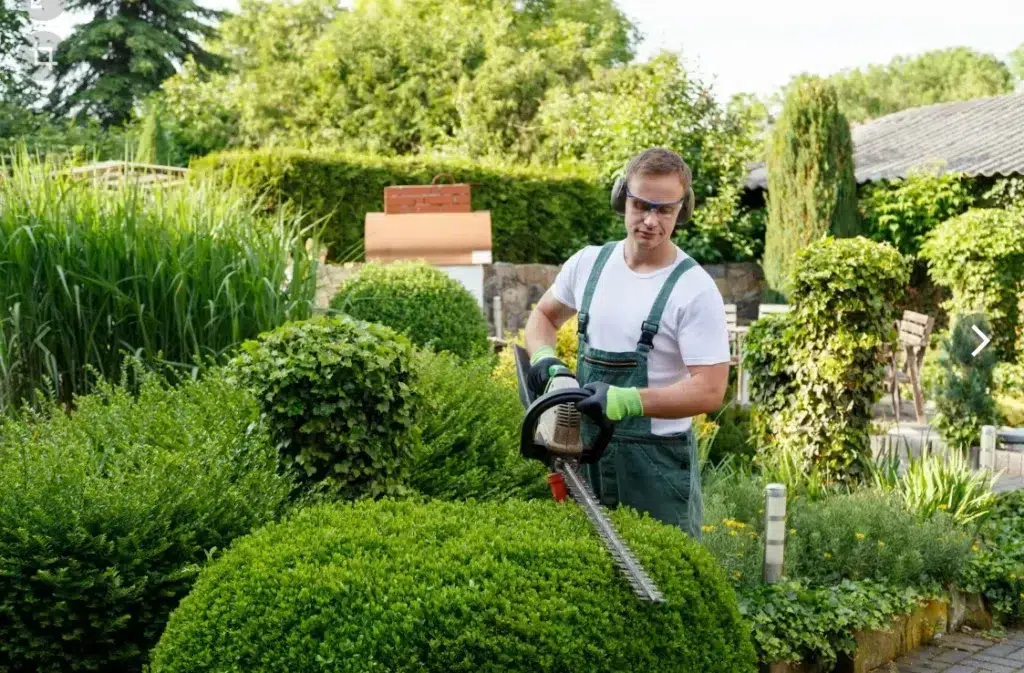
A well-maintained yard does more than just add beauty—it enhances your property’s curb appeal and value. Imagine stepping into your yard and instantly feeling a sense of pride and relaxation. Whether you’re wondering how a beginner should maintain a yard in Ontario or looking for simple ways to enjoy retirement, connect with nature, or practice light yoga and exercises, a well-kept yard provides a peaceful space to unwind. Learning the basics of yard care suited to Ontario’s climate will help you create a space that’s not only beautiful but also easy to manage year-round. For families, it becomes a safe haven for kids to play, explore, and bond with one another. And for property managers, keeping multiple properties looking pristine can improve tenant satisfaction and ensure long-term value. However, yard maintenance, though it may seem simple at first glance, requires time, effort, and careful attention to detail. (Read more about What Time Can I Mow My Lawn In Ontario? As a new homeowner, busy professional, or senior, it can be overwhelming to keep up with every aspect of lawn care. Many people find it challenging to invest the necessary time and resources to ensure their yard thrives. That’s where Custodia’s professional yard maintenance services in Ontario come in. We’re here to take the burden off your shoulders, allowing you to focus on what matters most—like spending quality time with loved ones, exploring new activities with your family, or managing multiple properties with ease. Our services give you peace of mind, knowing your yard is being cared for by experts who understand Ontario’s unique climate and conditions. Yard Maintenance Made Simple for Beginners Maintaining a yard in Ontario might seem overwhelming for beginners, but it doesn’t have to be. Understanding the key principles of lawn care makes the process much simpler: Keep your grass at the right height, usually between 2.5 and 3 inches. Mow frequently, and remember to keep your mower blades sharp for a clean cut. Never remove more than 1/3 of the grass blade at a time, and leave the clippings on the lawn to act as natural fertilizer. Water deeply but infrequently. Your lawn needs about 1 inch of water per week, and early morning watering minimizes evaporation. Make sure to monitor soil moisture to avoid overwatering, which can lead to fungal growth and disease. A soil test can guide you in applying the right nutrients. Apply a balanced fertilizer in spring when grass starts growing and again in fall to strengthen the roots for winter. Aerate your lawn annually in spring or fall. This helps improve soil aeration, water penetration, and reduces compaction, making your lawn healthier. Click here to read more about whether aerating a lawn is worth it in Ontario and how it can transform your yard. Keep weeds in check by hand-pulling small ones regularly or applying pre-emergent herbicides in the spring to prevent them from sprouting. Related read When Should I Spray Weed Killer On My Lawn In Canada? Stay vigilant for signs of pests and diseases. Regular monitoring and early treatment can prevent long-term damage to your yard. Why Custodia is Your Ideal Yard Maintenance Partner With life’s busy schedules, many homeowners and seniors in Ontario struggle to keep up with regular yard care. Custodia’s professional yard maintenance services are designed to relieve that stress. We offer competitive pricing, especially for seniors, with bundled services to save you money. Call us at 1-833-410-4357 or Book Online for a Free Consultation and Quote. Check our list of areas we serve across Ontario and explore our Home Management Plan for the best value in lawn care and maintenance. When Should I Start Yard Maintenance in Ontario? Timing is crucial when it comes to yard maintenance in Ontario, where the climate plays a pivotal role in determining the best times for specific tasks. Understanding the seasonal cycles not only saves you time but also improves the health and resilience of your yard. Let’s dive deeper into how each season impacts your lawn. The best time to kickstart yard maintenance is when the snow has melted, and the ground has thawed. Spring is your opportunity to clear debris and revitalize your lawn with fertilizers that boost nutrient levels. Wait for the soil to dry to avoid compacting wet soil, which could damage tender grass roots. Fall is a critical season for preparing your lawn for winter. Aerating your soil ensures proper air circulation, which promotes deeper root growth. Follow up with a fall fertilization, particularly a winterizer, which strengthens the grass to withstand freezing temperatures. Yard Maintenance Tips for Ontario’s Climate Spring Debris Removal Clear away leaves, sticks, and dead grass to allow sunlight to reach the soil and promote healthy growth. Soil Testing Conduct a soil test to determine the nutrient needs of your yard. This informs which fertilizer to use for optimal grass growth. Aeration in Fall Regular aeration prevents soil compaction and enhances water penetration, allowing roots to develop stronger for the winter. Winterizing Your Lawn Apply a winter-specific fertilizer in the fall to provide the nutrients needed for root development during dormancy. In addition to spring debris and leaf removal, fall aeration, and winterizing your lawn, several other important services can improve overall yard health and appearance, especially in Ontario’s climate. Here are other equally important yard maintenance and cleanup services that can be integrated into your routine: Overseeding After aerating in the fall or early spring, overseeding helps fill in bare or thin patches, improving grass density and reducing weed growth. Choose a grass variety suited for Ontario’s cooler climate, like Kentucky Bluegrass or Fescue. Mulching Adding mulch around trees, shrubs, and garden beds helps retain moisture, regulate soil temperature, and prevent weed growth. Mulching also adds organic matter to the soil as it decomposes, enhancing its health over time. Dethatching Thatch buildup, a layer of dead grass and roots, can suffocate your lawn. Dethatching in early spring or fall improves air and water penetration to the soil, encouraging healthy…
Read more

When it comes to aging in place, there’s a quote that comes to mind: “If you fail to plan, you are planning to fail.” It may sound negative, but there is simply nothing negative about being proactive and making solid plans to remain happily in your home through the aging journey. Research shows that nearly all older Canadians want to remain in their homes and communities as long as they can, and that means having the health, and social supports and services in place to live safely and independently. That just doesn’t happen unless you make it happen. To survive and thrive at home, being functionally fit is critical – physical strength is very often neglected. Frailty can derail dreams to remain at home! “Our best option is maintaining our fitness and functionality in order to avoid frailty, hospitalization and the need for institutionalization,” says Dr. Karen Humphreys, a physician, educator and frailty coach in B.C. Dr. Humphreys helps people fulfill their wishes to age in place and her new book, The Mission of Maya and Methuselah, offers clear instruction and practical advice to get ready physically, mentally and financially. For example, adequate financial health often takes years of planning – “there’s the cost of medications as we age; cost of repairs and making a safer home depending on our functionality, and insight into what we might need.” Assess Home For Risks For those lacking fitness and/or financial resources, family connections are often needed to assist in staying in our own home or moving into a suite in a family member’s home, adds the clinical instructor from UBC’s Faculty of Medicine who lives on Vancouver Island. “The challenges of aging in place currently are being reactive rather than proactive. For example, purchasing new furniture should focus on long-term use – a high bed that looks great when you are 50 is a fall risk at 75,” she says. Home environments with things like treacherous stairs, lots of area rugs, cupboards that need a ladder to access pose obvious challenges but there are many other aspects of the home that need to be reviewed for planning future safety. When it comes to aging bodies, the major challenges she sees is lack of overall fitness from a cardiovascular perspective; resistance training perspective; balance and flexibility perspective; social connectedness and cognition – brain exercises are just as important as physical exercises. Shortage of Long-term Beds Unfortunately, some people believe that they will not age and not need services (which are actually hard to procure and expensive too), says Dr. Humphreys. “I found that many folks that ended up in hospital had no idea that the Canada Health Act would not care for them as they aged. The cost of care has crushed many individuals so awareness and planning are the keys going forward as our population ages.” We have a glut of aging baby boomers that will soon require more access to long-term care beds than are available. Right now there are just under 200,000 care home beds and we’re going to need more than 455,000 by the year 2035! That’s just a decade away! Optimal planning should start after age 45 and the scenarios in her book guide folks through different decades in how to make lifestyle changes, do financial planning and have some foresight into what may be required as one ages in Canada. “We are unable to predict exactly which direction our life will go but we can prepare for many scenarios if we start planning early enough.” Dr. Humphreys helps Victoria seniors and families strategize – encouraging, promoting and assisting in keeping them in their home. She does frailty coaching to prevent a decline in physical and functional status. “Frailty is a precursor to the loss of independence. Frailty can lead to fall, fractures, hospitalization, nursing home placement and death.” Tips to Age in Place Safely Take Dr. Humphrey’s tips to successfully age in place as long as possible: Meanwhile, aging in place makes people happy and healthy, and Custodia offers the support to age at home joyfully, safely and worry free. From installing grab bars to regular property upkeep, our home management plans ensure the home environment, inside and outside, remains safe, secure and well-maintained. Related read Rethink Aging With Colin Milner

No homeowner wants a lawn with thin grass, bare patches, and puddles. However, the long, cold weather can take a toll on your lawn’s health. Similarly, heat can be very harsh on your lawn. What if we tell you we have a perfect solution for homeowners, especially seniors who find it hard to maintain a healthy lawn? The lawn is a happy place for seniors, as this is a place where they host gatherings, take a walk, and enjoy a beautiful day. In this regard, lawn aeration is one of the best ways to maintain a well-fed, dense, and nutritious lawn throughout the year. Lawn aeration is the process of loosening up the compacted and hard soil, which can improve drainage and allow more air and water to penetrate deep into the roots. But what is more critical than aerating the lawn? The timing! Below, we have mentioned a schedule you must follow to keep it lush and healthy. So, follow along. Related read Is Aerating A Lawn Worth It? Ideal Seasons for Lawn Aeration in Ontario Aerating your lawn is like giving it a new life, but only if it is done at the right time of the year. In Ontario, where summers can get hot and humid, and winters can be snowy and freezing, knowing when to aerate your lawn is essential. So, getting the timing right for aerating lawns in unique weather patterns in Ontario can help you achieve lush, dense, and healthy lawns. Early spring and early fall offer the ideal soil and weather conditions for cool-seasoned grasses. On the contrary, late spring and early summer are the best times for warm-seasoned grasses. So, based on your grass type, follow this schedule to aerate a lawn so that you can ensure your yard receives the care it requires to stay beautiful and healthy. Cool-Season Grasses Early spring (March–April) is the best time to aerate the lawn in Ontario. It helps your lawn recover from the harsh winter dormancy and prepare it for warmer days. Aerating the lawn before the growing season improves soil compaction and allows nutrients to soak deep into the soil. Plus, this is also the ideal time for lawn fertilizing, so feeding your lawn with all the nutrients promotes deeper root growth. Overall, aeration allows nutrients to reach the soil and grass to fill in the holes and stimulates seed germination and development, resulting in a successful grass growing season. Early fall (September–October) is the golden opportunity to aerate the lawn, as the cool weather and warm soil temperature are ideal for aeration. Aeration in this season allows the yard to recover from heat and drought damage and prepare it for winter dormant. Plus, early fall is still the growing season, so when you aerate the lawn while the roots are still growing, it helps promote strong grass growth. This process will also relieve soil compaction, allowing all the nutrients, air, water, and sunlight to reach the roots and ensure maximum and even growth. Warm-Season Grasses Late spring aeration is perfect for lawns in Ontario as it is the peak growth season for grasses, especially warm-season grasses. One of the reasons why late spring is the best time for aerating lawns is because, during this peak growing season, the lawn recovers quickly from the process. This also helps all the nutrients and minerals to get absorbed into the soil to continue to encourage grass growth. Moreover, aeration is easier when the weather and soil are still warm enough. Overall, late spring aeration prepares the lawn for summer heat so that the grass continues to grow. Just like late spring, early summer is the active growing season for warm-season grasses. This is the time when grasses thrive in Ontario, and the lawns look beautiful and lush. Aerating the yard during this season allows it to absorb all the nutrients, water, and sunlight better. Since the soil is warm in summer, the aerator reaches deep into the soil, which promotes stronger root growth. The weather in Ontario can be hot and humid, so aerating before the summer season starts gives grass the time to develop deep and strong roots. Read more about What Is A Good Lawn Care Schedule In Ontario? Factors Affecting the Timing of Aeration While the season really impacts how the aeration process turns out, there are other factors as well that play an equally important role. It is particularly significant for Ontario, where the weather is unique and ever-changing. So, knowing these factors will help you carry out your lawn aeration at the best time of the year to ensure a lush and healthy lawn all year round. Signs Your Lawn Needs Aeration If you are not sure whether or not your lawn needs aeration, here are a few common signs to look for: Common Mistakes to Avoid when Aerating Lawn in Ontario Thinking of aerating your lawn? Here are a few common mistakes that seniors usually make and you should avoid: Conclusion Lawn aeration is the best way to loosen up compacted soil so that all the essential nutrients, water, and sunlight penetrate deeply into the soil. Then, the roots soak up all the nutrients to grow dense and healthy grass. To make sure that happens, follow the aerating schedule for Ontario and enjoy a beautiful and healthy lawn all year round.